



Team Vitality‘s Call of Duty: Warzone head coach Ethan “Ebatez” Bates has publicly advocated on social media for game publisher Activision to establish a formal revenue-sharing programme for esports organisations, arguing that the current system fails to give competing teams sufficient monetisation opportunities.
“Warzone needs a real partnership program that gives esports organisations sustainable revenue through team and player skins with fair revenue sharing,” Ebatez wrote on social media.
Ebatez also called for greater long-term planning, arguing that the competitive schedule should be announced at least a year in advance. This would allow organisations to coordinate sponsorship agreements, content production and other commercial activities around the tournament calendar.
LAN events, meanwhile, should offer teams more than prize money, according to Ebatez. He advocated for clear revenue splits, reliable audience data and additional commercial opportunities through merchandise, event booths, VIP experiences and fan meetups.
“Prize money should be supplemental not the entire business model,” he added, arguing that organisations should be able to cover their costs through a combination of cosmetics, sponsorships, content, events and partnerships.
Ebatez also stressed the importance of making revenue-sharing arrangements visible to fans, suggesting that clear messaging could encourage viewers to support their favourite organisations financially.
He gave the example of viewers seeing a message stating that “30% supports Team Vitality”, making it clear how their support contributes directly to an organisation. He argued that such a system could motivate fans to support their favourite organisations while encouraging players to promote the game and its competitive ecosystem.
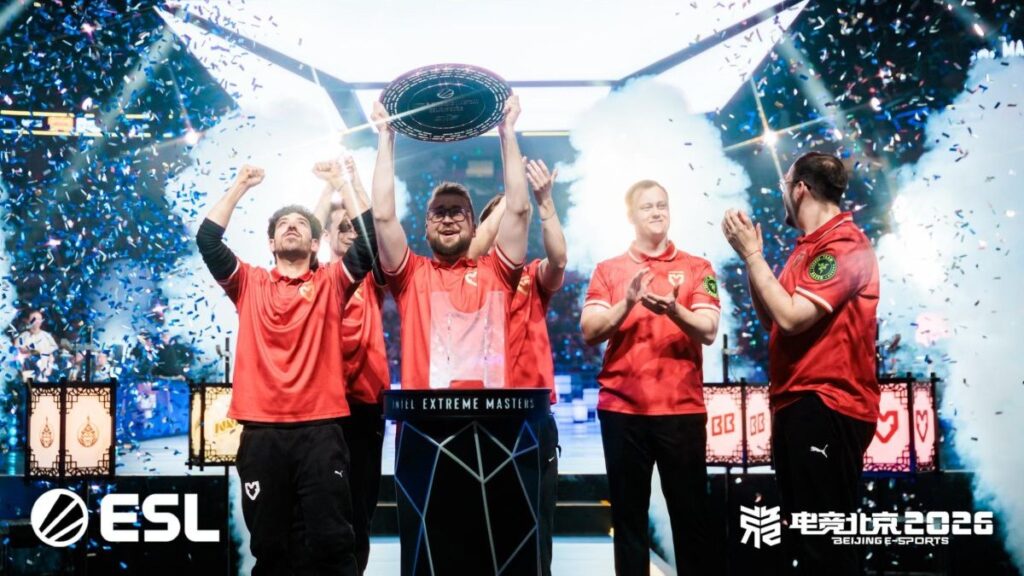
Ebatez’s remarks followed an announcement from G2 Esports player Anthony “Anziety“ Moran, who said G2 had decided to leave its Warzone roster. G2’s departure from Warzone comes despite the roster winning one of the biggest esports tournaments, the Esports World Cup 2026, and taking home $250,000 in prize money.
Revenue sharing isn’t a new concept in esports, as several other game titles adopted similar models a long time ago. Rainbow Six Siege has its own programme in which esports organisations receive 50% of revenue from related net sales. Valve also supports a number of esports teams through its sticker sales for Counter-Strike, with a portion of that revenue going to the teams invited to compete at its Majors. VALORANT, developed by Riot Games, follows a comparable model, supporting esports organisations through sales of in-game weapon skin bundles tied to those teams.