



Lenovo has fundamentally restructured its esports investment strategy. Moving away from the traditional model of individual team sponsorships, the technology company has opted to align its brand directly with global competitions and the infrastructure of the sport itself.
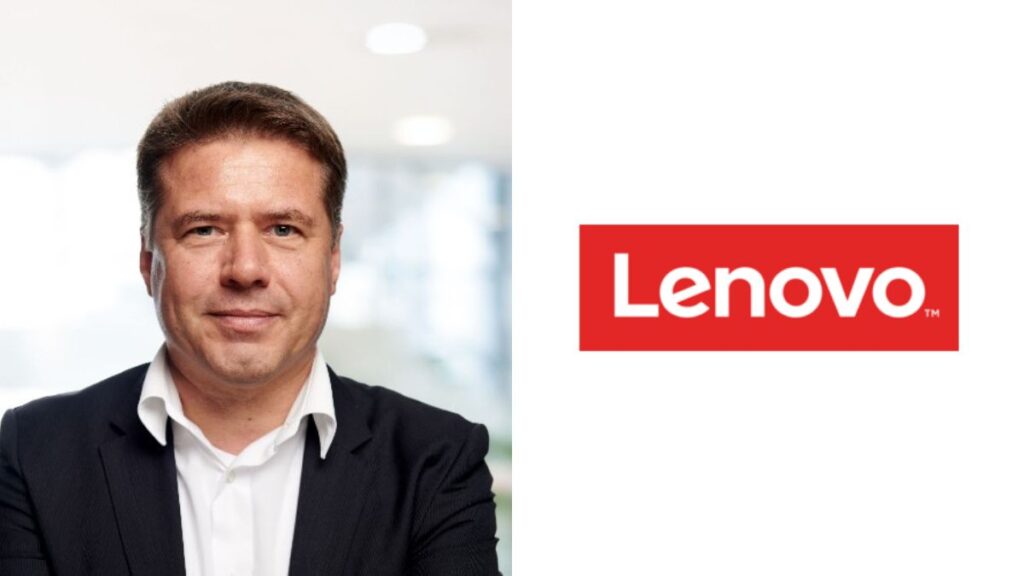
The Esports Radar sat down with Volker Düring, Vice President and General Manager, IDG PCSD (Intelligent Device Group, PCs and Smart Devices) at Lenovo, to discuss this strategic pivot and explore why the company has chosen to focus its resources on broad-scale event partnerships.
Historically, Lenovo maintained a strong presence in esports through direct deals with specific organisations, such as G2 and Complexity. Today, while powerhouses like Brazil’s FURIA remain a part of their portfolio, the core of Lenovo’s strategy is directed towards events like the Esports World Cup (EWC), mirroring its broader corporate approach to traditional sports properties like Formula 1 and the FIFA World Cup.
According to Düring, this chosen direction reflects a desire to integrate seamlessly into the operation of the tournaments.
“We don’t want to just say we give money and something happens,” Düring explains. “We really want to become a partner… in the end, be an ambassador of the sport to drive the sport and support the sport.”

A key driver behind Lenovo’s strategy is the direct integration of its products into the competitive environment. By providing the actual hardware used at elite tournaments, the brand achieves a specific style of communication that relies on practical utility.
“A tournament like EWC, where the gamers are really playing with it—it’s just the most authentic way, honestly, to bring your hardware across,” says Düring. “It’s not telling stories; it’s real authenticity.”
This positioning also provides Lenovo with a real-world testing ground. By supplying equipment like the visual displays introduced at this year’s EWC, the company can learn from the demands of professional play and adjust its technological standards accordingly.
When discussing the difference between sponsoring a team versus an event, the conversation highlighted that while team sponsorships successfully target highly specific, dedicated communities, Lenovo opted for an ecosystem-wide approach to fit its wide-ranging product line.
For Düring, sponsoring a single team can inherently polarise an audience; fans naturally favour their preferred rosters. By supporting the entire ecosystem—across diverse titles ranging from Counter-Strike 2 and League of Legends to Chess—Lenovo’s strategy aims to address the entire spectrum of the gaming community.
“We want to support the sport as a sport,” Düring notes. “We do not want to focus on single teams, or a single city, or a single country. For us, what we want to do is just address all gamers.”
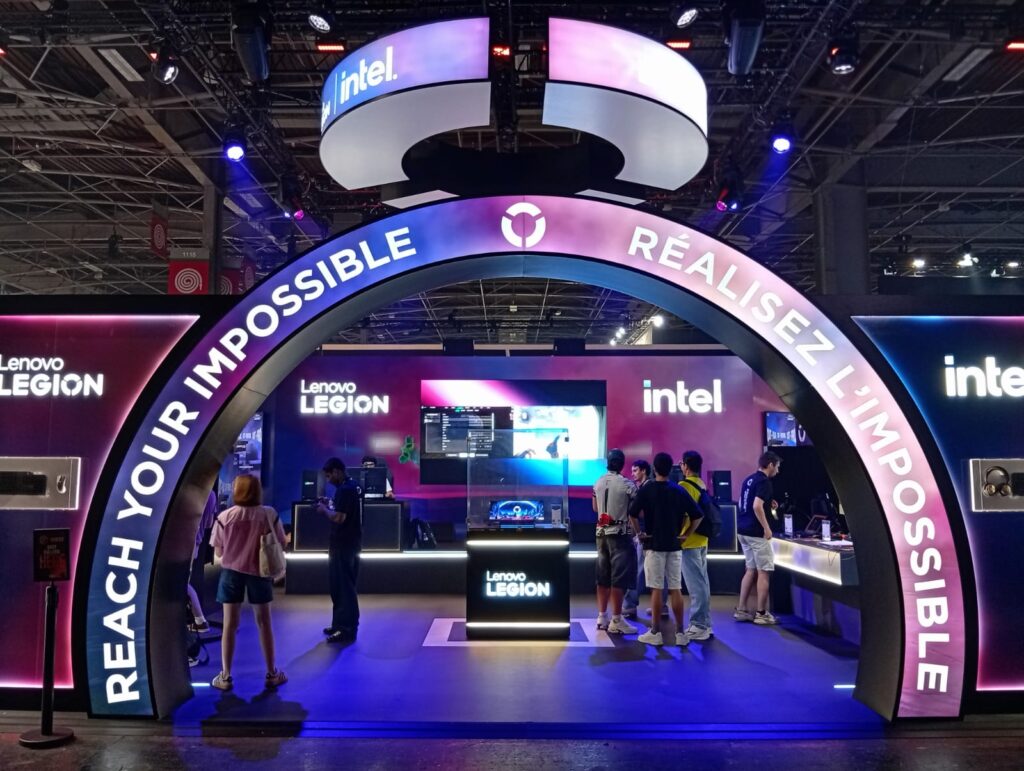
For Lenovo, which is celebrating the 10th anniversary of its Legion gaming brand, this strategy is not an isolated esports experiment. It is a direct translation of how the company operates on a global scale.
In Formula 1, Lenovo hardware manages the data centres and race transmissions. In the FIFA World Cup 2026, they assisted in developing new camera views for referees, which became a part of the main live broadcasts. Entering a multi-year partnership with the Esports Foundation allows the company to apply this exact same methodology to competitive gaming.
While there is not a definitively correct way to do marketing in esports, Lenovo sees this strategy as the best for the brand’s overarching corporate identity.
“The company really started to go and say we are ambassadors of sports that are united,” says Düring. “And of course, we are supporting sports where we can create value with our technology.”

Follow The Esports Radar on social media: