



If 2025 was defined by consolidation at the industry’s core, its most dynamic growth stories emerged elsewhere—on mobile devices, in newly regulated markets, and across education and community ecosystems.
The Unstoppable Rise of Mobile Esports
The most decisive shift of the year was mobile esports’ arrival as a global, mainstream force. Tiger Xu, Global Head of MLBB Esports at MOONTON Games, points to a defining metric: “We stood out as the most-watched title in Esports World Cup history.”
For many, this confirmed a long-building trend. “The breakthrough of the year is undoubtedly mobile gaming’s absolute arrival,” says Team Vitality’s Head of Global Operations Danny Engels. “We can no longer treat it as a secondary market.” Mobile titles now anchor growth across Southeast Asia, Latin America, and the Middle East, where accessibility translates directly into scale and engagement.
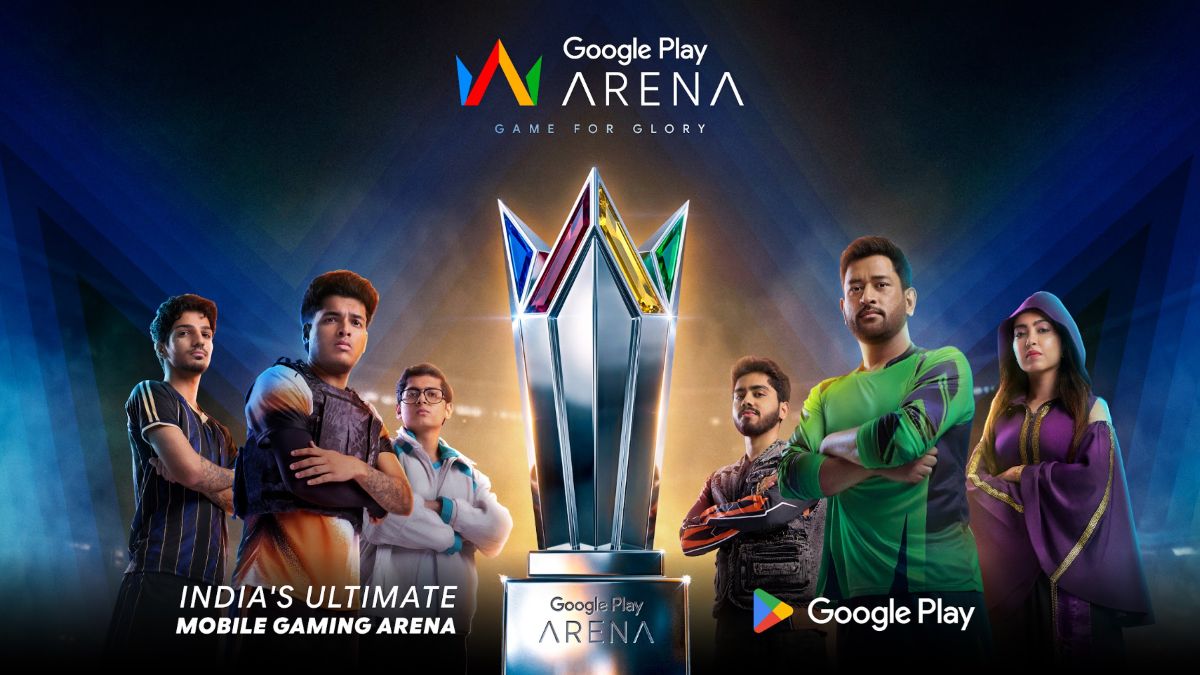
No market embodied esports’ new frontiers more clearly than India. Multiple interviewees identified a single catalyst: the Promotion and Regulation of Online Gaming Act (PROGA).
“2025 was the year India truly cemented gaming and esports as a recognised sport, a viable career option, and a creative industry,” says Akshat Rathee, CEO at NODWIN Gaming. Vishal Parekh of CyberPowerPC India describes it as a “defining year” that separated esports from money-based gaming formats, providing long-awaited clarity for brands and investors.
The impact was immediate. India debuted at the Esports World Cup and saw rapid infrastructure growth through initiatives like JioBLAST. Krish Anurag of ChimeraVC highlights rising gaming PC adoption, while S8UL’s CEO Animesh Agarwal points to India’s growing global presence: “Being selected as a Club Partner for the Esports World Cup reflected how far Indian esports has come.”
Shiva Nandy, Founder and CEO of Skyesports, commented on the local developments: “Almost every major mobile esports organisation in India is backed by a smartphone brand.” Brands like iQOO, Infinix, and realme see gaming as central to marketing. “Instead of relying purely on traditional advertising, they’ve chosen esports sponsorships as a more organic way to connect with their audience,” Nandy says. This has provided teams with stable, long-term revenue, allowing for better salaries and operational discipline. He also highlights a groundbreaking moment in state-level support: the Chennai Esports Global Championship (CEGC), funded by the Tamil Nadu government, which “set a benchmark for how govt-backed esports initiatives could look like.”
From Spectacle to Infrastructure
Beyond competition, 2025 marked a shift toward embedding esports within broader societal systems. Academic Esports at the University of Agder in Norway, Tobias Scholz argues this is where long-term resilience lies: “The most meaningful contributions came from actors who stopped treating esports as a product and started treating it as infrastructure.”
That shift took several forms. In education, MOONTON partnered with Malaysia’s Ministry of Youth and Sports to train educators. In corporate environments, Scholz’s “company esports” initiatives repurposed competitive play as a tool for leadership and teamwork development. At a grassroots level, initiatives such as the MLBB Women’s Invitational at the EWC highlighted more inclusive growth pathways.
In hospitality there were a number of partnerships suggesting hotels and resorts are waking up to the opportunities across esports and gaming. From the range of partnerships that Associated Luxury Hotel International (ALHI) announced at Global Esports Industry Week in Austin in June, with the likes of Cyberlabs, UNEVN, PlayHRDR, ESIC and The Esports Radar, to the likes of Hilton with the Esports World Cup Foundation, Radisson Hotel Group‘s commitment to esports-ready hotels, IHG Hotels & Resorts‘ partnership with the KPL in China, Marriott International Bonvoy‘s ongoing partnership with Riot Games‘s LEC, nhow Hotels & Resorts with its gaming studio in Berlin in collaboration with SK Gaming, and Ninjas in Pyjamas esports hotels in China.
This shift towards accessibility and community infrastructure is also evident in venue development. Friendly Fire expanded its mission to create a global network of accessible, in-person gaming venues. Their strategic move to bring former player Luka “Perkz” Perković on board as a partner and ambassador underscores a commitment to bridging the gap between elite esports and mainstream participatory gaming, building physical hubs for the next generation.

Cultural Scale and Regional Convergence
Established powerhouses continued to evolve. Weibo Gaming cited the Honor of Kings 2025 King Pro League (KPL) Grand Finals at Beijing’s Bird’s Nest—62,000 spectators and tickets sold out in a reported 12 seconds—as evidence of esports’ cultural reach in China.
At the same time, organisations described increasing cross-regional integration. Engels notes that 2025 saw “operational bridges being built between the West, the Middle East, and Asia,” breaking down historical silos and creating a more interconnected global ecosystem.
Looking Ahead: Signals for 2026
Many of 2026’s expected trends are direct extensions of 2025’s shifts. AI-driven training and performance analytics are expected to move from experimentation to application, according to both Xu and and Logitech G‘s Robin Piispanen. Engels flags the rise of national teams as a major development—one that must avoid governance structures that destabilise club ecosystems.
This confidence is mirrored by leading tournament operators securing long-term futures for major titles. PGL cemented its role as a pillar of Dota 2 by committing $13 million to the scene through 2028 and landed the second CS2 Major of 2026. Similarly, BLAST solidified a massive year of growth by expanding its portfolio beyond its Counter-Strike stronghold, taking on the operational reins of the Brawl Stars esports ecosystem, added to other competitive scenes managed by the organiser such as Rainbow Six, Rocket League, and Fortnite. These moves signal a mature industry where top-tier organizers are building diversified, multi-title portfolios based on long-term partnerships.
Beyond club competition, 2026 will see the highly anticipated launch of the Esports Nations Cup (ENC), a publisher-backed international tournament where players compete under their national flags. Announced as a founding partner alongside the EWCF, this new property aims to tap into deep-rooted national pride, potentially unlocking new government and mainstream sponsor interest. As noted by EFG‘s Sebastian Weishaar, fostering this “nation-based ecosystem” could unify fans across titles and create an entirely new class of esports heroes, running parallel to the thriving club world.
“The Esports World Cup and the introduction of the Esports Nations Cup have redefined the competitive landscape by adding a layer of national pride that mirrors traditional sports,” said Ed Tomasi, Esports Advisor at the Greater Raleigh Convention and Visitors Bureau (Visit Raleigh). “Esports is no longer a subculture; it is a national pillar. In 2025, we saw many nations continue to evolve and expand in their support for esports.”
The story of 2025 ultimately shows that esports’ vitality no longer depends solely on elite leagues or major arenas. Its future is being built on mobile screens in Jakarta, in regulated markets in Delhi, in classrooms in Kuala Lumpur, and within communities worldwide—laying a broader and more resilient foundation for what comes next.
Follow The Esports Radar on social media: