



BLAST executive producer Sebastian “Kuno” Grydholt has offered an insight into how expensive and complex it is to run esports tournaments, especially in games like Dota 2.
Speaking in an interview to streamer Maurice “KheZu” Gutmann, he explained that while fans often focus on prize pools, the real cost of hosting events goes far beyond that. Kuno said that large international tournaments can cost “a couple million” dollars in total.
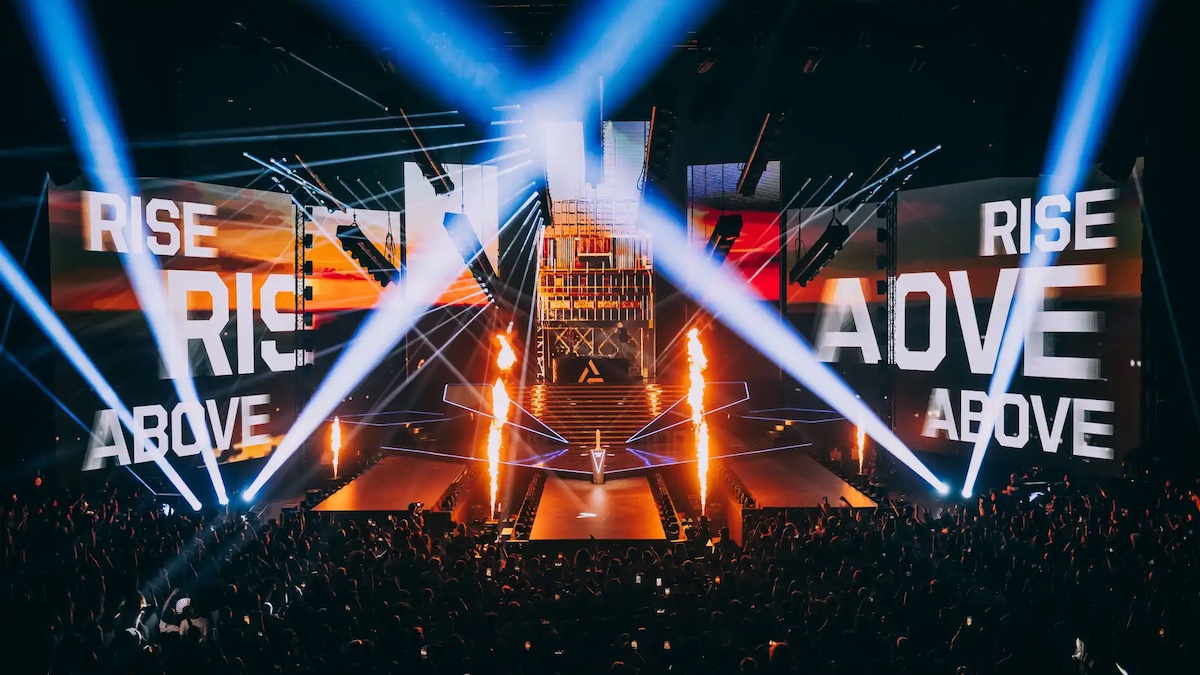
He pointed out that even though prize pools can be as high as $1 million, the production itself often costs even more. These expenses include travel, venues, technical setup, and staffing. As expected, big arena events are much more expensive than smaller studio events, which are already costly on their own.
He also shared how much time organising these events usually takes. A smaller studio tournament can take around two months of full-time work to prepare, while a large arena event may take three to four months or more. Each event involves large teams working behind the scenes, often with 20 to 30 people running the show during live broadcasts.
For instance, BLAST has hosted several recent Dota 2 tournaments under its “BLAST Slam” series across different global locations. Each tournament had a prize pool of $1 million.
In terms of structure and format, the earlier events like Slam I to III were smaller studio tournaments with 10 teams. From Slam IV onwards, BLAST shifted to a longer format with online matches followed by LAN playoffs. However, this shift had several positive and negative impacts on the operations.
When it comes to positives, most teams don’t need to travel anymore. Only the top 6–8 teams go to the LAN stage, instead of flying all 10–12 teams for the whole event. The online group stage lets teams stay at home, which saves on flights, hotels, visas, and daily expenses, especially for teams coming from far regions like Southeast Asia. Past events like Singapore and Chengdu showed how expensive logistics can get.
However, there are some added costs. The overall event runs longer with more matches, which means more broadcasting time, bigger production needs, and more staff like casters and observers. Since BLAST focuses on high-quality production, this increases total production costs.
Kuno also gave a detailed look at how sponsorships actually work in esports, explaining that it is a structured and data-driven process rather than simple brand placement.
BLAST has a full commercial department whose main job is to secure sponsorships and partnerships. This team actively looks for brands, cities, and other partners that can collaborate with BLAST in a way where both sides benefit.
A key part of securing sponsorships is sharing detailed audience data. Kuno said BLAST presents numbers such as how many people watched the event, how many unique viewers tuned in and how long viewers stayed (retention). This data is important because it shows sponsors the value they will get in return.
He specifically highlighted that Dota 2 has very high viewer retention, meaning fans tend to watch for longer periods compared to some other games. This makes it attractive for sponsors, as their branding gets more consistent exposure during broadcasts.
BLAST has also changed the way it works with sponsors for its Dota 2 events. Earlier, many esports tournaments used to have one big “title sponsor” whose name would be attached to the entire event. However, the company has already moved away from that model. Instead of relying on one main sponsor, they work with several partners, each focused on a specific part of the event like production, travel, hosting, or fan engagement.
For example, Polymarket is the official prediction partner for BLAST’s 2026 Slam events. BLAST also partnered with EVA Air as the official airline partner for its Dota 2 events. The Singapore Tourism Board (STB) has signed a multi-year deal with BLAST to host several of their events and attract tourists.
Overall, Kuno made it clear that running esports tournaments requires careful planning, large budgets, and strong partnerships. He also noted that many people underestimate how difficult live production can be, especially when everything is happening in real time.

Follow The Esports Radar on social media: