

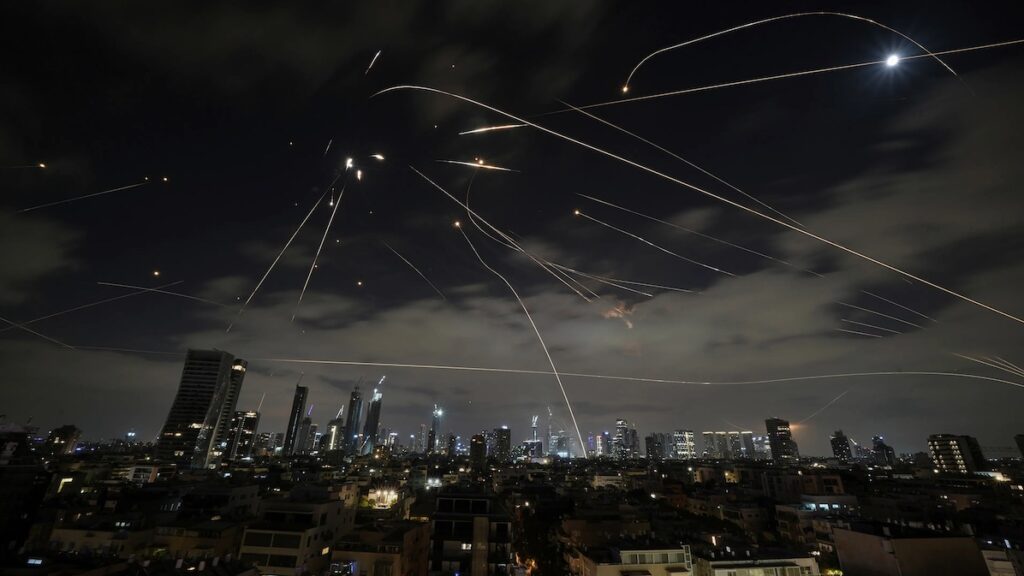


Over the past month, global headlines have been dominated by escalating tensions involving Iran, the United States and Israel. While missiles and drones fill international news cycles, we still find ourselves watching a Counter-Strike 2 (CS2) tournament as if everything were normal.
This column will not attempt to analyse the geopolitical conflict itself. That is far beyond the scope of this newsletter, yet the reality is that global instability rarely remains confined to political borders, and a conflict of this scale inevitably raises questions for an ecosystem that has become increasingly international and interconnected.
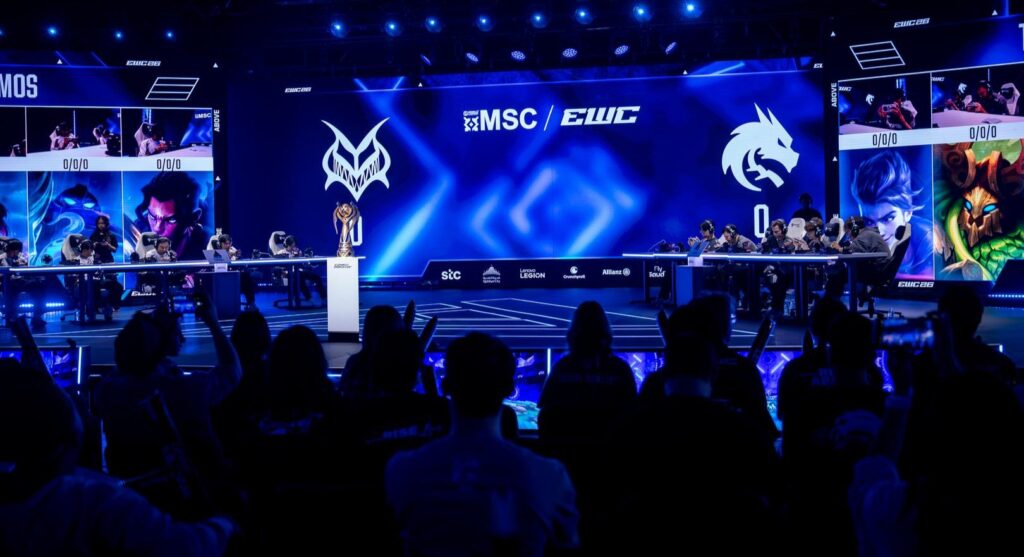
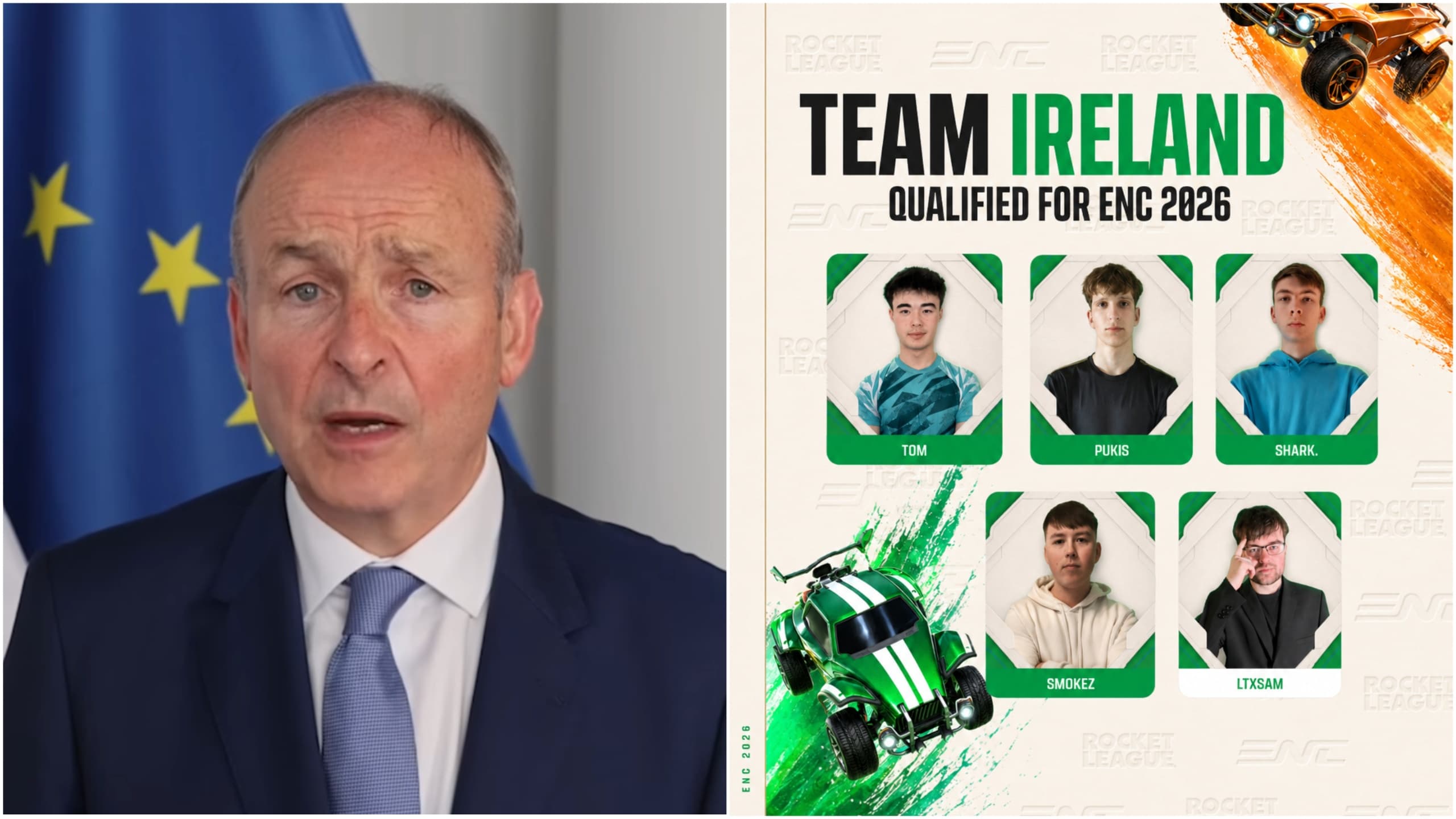
The most immediate concern lies with two events that now sit at the centre of the esports calendar: the Esports World Cup (EWC) and the Esports Nations Cup (ENC), both scheduled to take place in Riyadh, Saudi Arabia — in July and August for the EWC, and in November for the ENC.
Over the past year, the Esports World Cup Foundation has integrated more than 230 esports circuits, including the Apex Legends Global Series (ALGS), the VALORANT Champions Tour (VCT) and the official leagues for League of Legends, into the EWC framework, turning the event into a key pillar in the competitive calendar. Many of the world’s largest clubs now plan their seasons around it, and moreover, it’s a major factor in which esports teams choose to field rosters. As a result, any disruption to the event would carry consequences well beyond a single tournament.
With significant investments flowing into tournaments, ecosystems and infrastructure, any instability in the region — including disruptions around strategic routes such as the Strait of Hormuz — naturally leads to questions about how the broader economic landscape might evolve.
When asked by The Esports Radar, the Foundation confirmed that preparations continue as planned and that contingency measures are in place to ensure the events proceed. Details of those plans could not be disclosed for security reasons, which is understandable, but organisers indicated that neither postponement nor relocation are being considered.
That reassurance allows teams and organisers to continue their planning. At the same time, it inevitably raises concerns given the broader regional context. Recent reports indicate that United States installations in Saudi Arabia have been targeted by Iranian drones, while airspace across parts of the Middle East has faced disruptions linked to the conflict, including missile launches, drone activity and military operations. Even without direct escalation in Saudi Arabia itself, the logistical implications alone could increase travel costs and complicate international event operations.

The first indirect ripple effects have already appeared. In Pakistan, the OffStrike Counter-Strike 2 tournament was postponed until conditions stabilise. Organisers stressed that the event will still take place at a later date and that all commitments to sponsors and stakeholders will be honoured, but the delay illustrates how quickly geopolitical uncertainty can affect esports logistics.
At the same time, the industry has experienced other disruptions unrelated to the conflict. Tournament organiser FISSURE recently cancelled multiple events, while the Insomnia Gaming Festival revival in the United Kingdom was also shut down. Each situation has its own causes, but together they reinforce a broader sense that esports remains in a period of structural adjustment.
This comes at a delicate moment. After the difficult reset often referred to as the “esports winter,” the industry had begun to regain momentum. Prize pools were rising again — a US$1 million purse has become increasingly common in Counter-Strike 2 — and new ecosystems were forming around publishers, organisers and regional leagues.
Geopolitical instability does not erase that progress, but it does remind us how closely esports is tied to the wider world. Travel, sponsorship, broadcasting infrastructure and international cooperation all depend on global stability in ways that are easy to overlook during calmer times.
For now, the industry continues to move forward. There are even encouraging signs: Tournament organiser PGL recently made a massive statement of intent by announcing a commitment of at least US$22 million for its 2025–2026 Counter-Strike 2 circuit. This represents more than just a large purse; it is a fundamental overhaul of the traditional tournament business model designed to provide a more stable foundation for teams and players alike, guaranteeing a minimum of six Tier 1 events per year.
Esports has endured economic cycles, structural corrections and shifting business models over the past decade. It will likely endure geopolitical uncertainty as well. But moments like this serve as a reminder that the industry does not exist in isolation from the world around it.
We will continue to watch, to report and — above all — to hope that stability prevails.
Because when the world grows colder, even the hottest parts of the esports Heat Map can feel the drop in temperature.
This analysis was first published in the Heat Map newsletter on 11 March 2026. For early access to our analysis and more exclusive content, subscribe to The Esports Radar’s newsletters via this link.

Follow The Esports Radar on social media: