



Even though its popularity and success are still to be seen after its first edition in November 2026, the Esports Nations Cup (ENC), organised by the Esports Foundation (EF, formerly the Esports World Cup Foundation), is already reshaping the competitive gaming landscape by fomenting a formalised structure for national representation. For countries like Spain and Brazil, this initiative has resulted in a significant push, transforming informal collaborations into official coalitions.
In both nations, an in the United States through USA Esports, leading esports organisations have united under a common national banner. Spain’s representation comprises Movistar KOI, Team Heretics, FCB Esports (Barça Esports), UCAM Esports, and GiantX, with additional support from the Ministry of Digital Transformation and AEVI, the organisation representing publishers whose titles are featured in the ENC. Meanwhile, Brazil has formed the newly created Brazilian Esports Alliance (Aliança Brasileira de Esports), an initiative uniting Fluxo W7M, FURIA, LOUD, MIBR, paiN Gaming, and Red Canids.
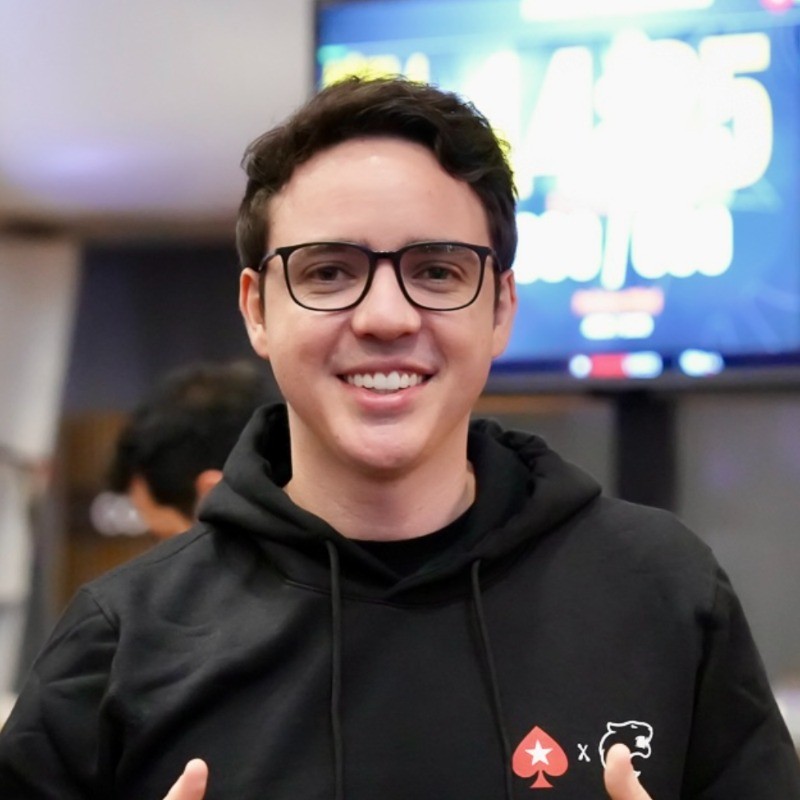
The Esports Radar spoke with the Spanish representation, as well as with Jaime Pádua, CEO at FURIA who took the role of Brazilian National Team Director, and Yuri “Fly” Uchiyama, CEO at platform Gamers Club and Brazilian National Team Manager, to understand how this new structure is set to transform the ecosystem.
The Spanish coalition is managed through a partnership between Lastlap, Cabal Esports, the two Riot Games partners for the Spanish League of Legends circuit, and the five leading esports clubs. According to Nacho Garcia, Marketing Director at Lastlap, this formal union was built on a foundation of existing collaboration, primarily through the LES (Spanish League of Legends League).
“The clubs involved already collaborate with us in the LES and play a key role through their investment and promotion of talent,” Garcia explained. “Although the project requires a single lead organisation – which, in our case, is Lastlap – this has been a collaborative effort from the outset, and without the contribution of Cabal Esports and the five founding clubs of the LES, it would not make sense.”
The internal dynamic is built to capitalise on each partner’s strengths. Lastlap handles communications and finance, Cabal Esports is responsible for operations and technical supervision, while the bulk of sporting management falls to the National Team Managers (NTMs), selected from the staff of the five participating clubs. According to Garcia, the primary terms and conditions for this effective teamwork are based on mutual trust, consensus-based decision-making, and respect for the individuality of each member.
“The calibre of the teams involved in the project is a clear statement of intent regarding our professionalism and the ambition of the project,” Garcia added. Looking ahead, the Spanish side believes the ENC will act as a catalyst for the scene, helping to accelerate a further rise in the competitive standard and social relevance of esports in Spain.
For Brazil, the ENC provided the necessary impetus for traditionally rival organisations to set aside their differences for a greater purpose. This has culminated in the Brazilian Esports Alliance, a formal entity recognised by the Esports Foundation as the National Team Partner.
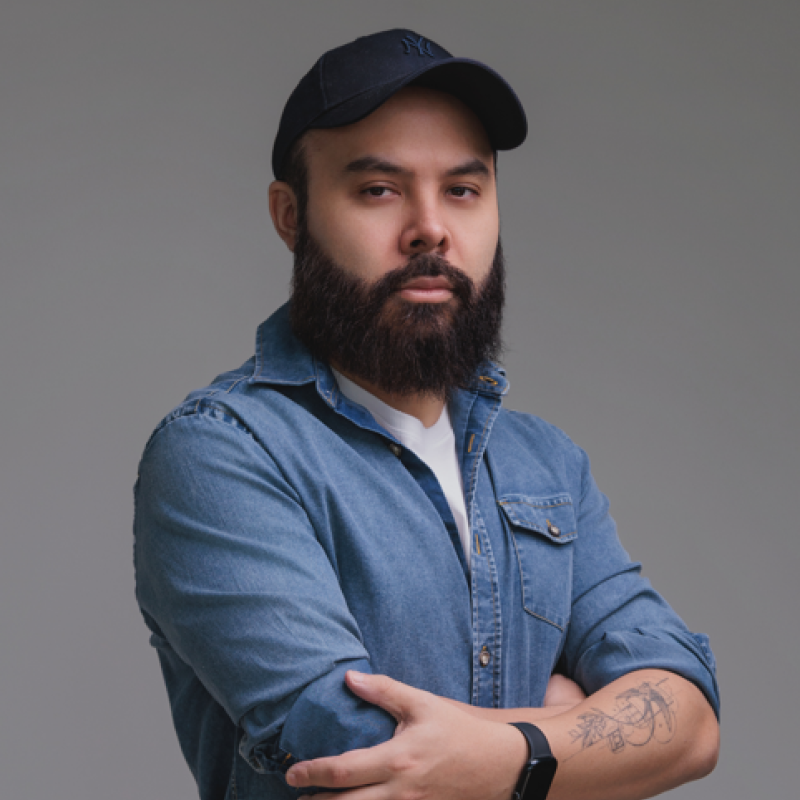
“The Esports Nations Cup introduces a global structure dedicated to national teams,” said Jaime Pádua, Brazilian National Team Director. “This changes the logic of the ecosystem and puts us in a situation where organisations that are traditionally rivals begin to collaborate around a common goal. This union came about because a greater purpose emerged.”
The conversations that led to this alliance were driven by a shared vision of opportunity. “Historically, there wasn’t a reason that demanded this level of collaboration between organisations,” Pádua noted. “From the moment the ENC proposed a competition between nations, it made sense to bring together the main organisations in the scene to build something collective.”
The structure of the alliance is designed to be clear and functional. Yuri Uchiyama, Brazilian National Team Manager, detailed the division of roles: “We took great care to build a structure that was clear and functional. The Team Director acts by looking at the whole, ensuring alignment between the clubs and giving the general direction of the project. The National Team Manager is much closer to the day-to-day life of the national team, working directly with coaches and players.”
To ensure efficiency, terms were established to guarantee balance, including limits on team composition to avoid an over-concentration of players from a single club, and a classification system that mixes global rankings with qualifiers.
A sustainable future
Both nations see the formalisation as a move towards maturity and sustainability. For Brazil, the alliance represents a shift from relying on individual talent to building a more solid system.
“The biggest impact is one of organisation and maturity of the scene,” said Yuri Uchiyama. “We have always had a lot of talent in Brazil, but often in a more dispersed way. When you create a structure like this, that brings organisations together around a common goal, you start to give more consistency to these talents.”
The sentiment was echoed in Spain, where the focus is on rewarding the investment clubs have made in their squads and talent. “We cannot fall back once again into the clichés and mistakes of conventional sport, where competition organisers and clubs are at odds with one another,” Garcia concluded. “The investment made by clubs in their squads, communication channels, talent and players must be rewarded in any initiative that requires their direct involvement.”
By fostering collaboration between rival clubs and formalising national representation, the ENC is setting a new precedent—one that aims to strengthen not only the competition itself, but the identity of esports as a truly global sport. The following chapters will show how – and if – these unions formed around the ENC will result in other initiatives will raise beyond the biennial event.

Follow The Esports Radar on social media: