

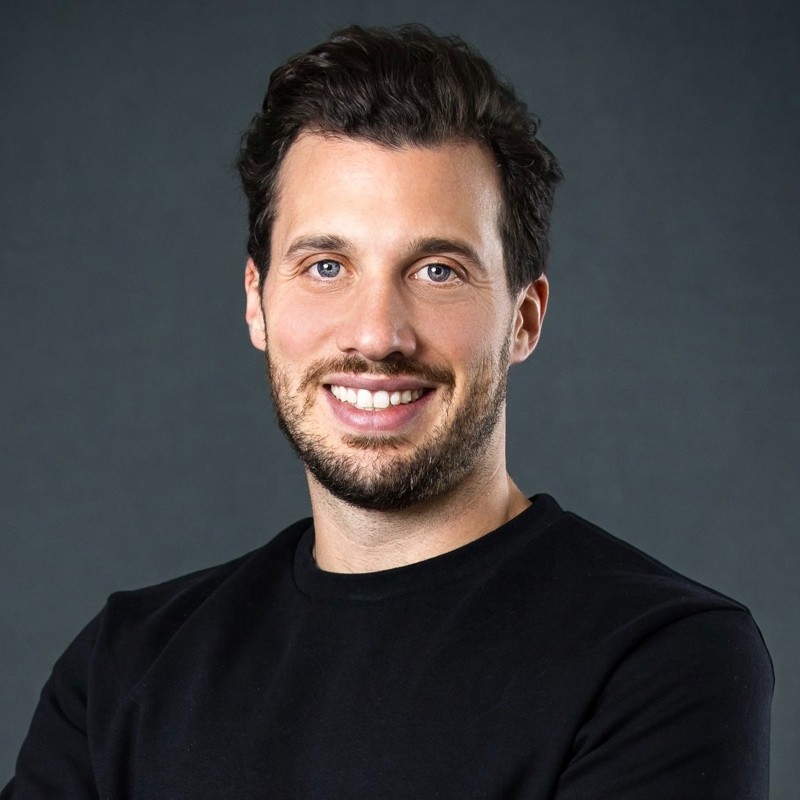
For the Esports World Cup Foundation (EWCF), 2025 was a defining year that proved scale, diversity, and cross-game competition can coexist at the highest level. In this edition of “Reflections”, Fabian Scheuermann, Chief Games Officer at the EWCF, reflects on how bringing 24 games together under one global platform reinforced the viability of a multi-title esports model, while creating moments of genuine cultural impact.
As 2025 drew to a close, we gathered reflections from esports industry leaders on the year that transformed their world. Read Scheuermann’s key insights below, and stay tuned for more in our ongoing “Reflections” series.
1- Looking back at 2025, would you say it was ultimately a good or challenging year for esports overall? What factors shaped your view of the industry this year?
Esports always has its ups and downs, but I believe 2025 was a good year for the industry and for us at the EWCF. At EWC this summer, we brought together 24 games with distinct identities and communities, each expressing their fandoms differently, who stayed engaged throughout the year both online and in arenas around the world.
Seeing Chess, VALORANT, Mobile Legends, League of Legends, fighting games, strategy games, MOBAs, and FPS titles celebrated side by side showed us that the cross-game model isn’t an experiment anymore. It works at scale.
2 – In your opinion, what were the standout milestones, breakthroughs, or moments worth celebrating in 2025 — whether competitively, commercially, or culturally?
The absolute highlight for me was Yangon Galacticos winning PUBG Mobile World Cup at EWC 2025 and the scale of celebrations that followed in Myanmar, their home country. The team was welcomed with a two-day parade, thousands of fans lining the streets, a marching band, formal ceremonies and rewards, including the gift of land for players, the sign of the country’s highest honor. It shows the power of esports, the life-changing opportunities it creates, and how moments like this can bring the entire country behind its heroes.
3 – Were there organisations, companies, or initiatives you feel genuinely added value to the ecosystem in 2025? What made their contribution significant?
The success of this year wouldn’t have been possible without our publisher partners. EA Games, Tencent, Krafton, Capcom, MOONTON, Activision Blizzard, Chess.com, Smilegate and SNK co-developed formats and co-hosted 11 tournaments with us to ensure each title reached fans in the right way. Chess.com also deserves credit for transforming chess into a digital esport that sits naturally alongside FPS and MOBAs. What matters most is that these partnerships are ongoing, not seasonal. That continuity allows us to build year on year and create a stable structure where every game can grow and reach new audiences.

4 – Reflecting on your own work and the achievements of your clients, what were you most proud of this year?
What I was most proud of this year was seeing that the cross-game Club Championship really matters – across the whole seven weeks of EWC it became something fans genuinely followed, with the race to the top closer than many expected. It ended up coming right down to the final week, with five Clubs still in contention for the win at the start of Week 7. Team Falcons secured the title when Team Liquid’s Street Fighter 6 player was eliminated, which shows: every game counts. Falcons finished on 5,200 points across 22 tournaments, chased closely by Liquid, Vitality, Twisted Minds and Virtus.pro. It proved that a cross-game competition work at full scale – it is the most competitive, unpredictable and exciting from start to finish.
5 – Looking ahead, what are your key predictions for esports in 2026? Which trends should people be watching, and where do you see the major growth opportunities and challenges?
In 2026, the Middle East and APJ will keep gaining momentum, with their players, Clubs and communities as a real force in global esports. The industry will continue to consolidate around top tier titles, while becoming more global and connected, and with Riyadh hosting two major events for the first time, as the Esports Nations Cup joins the EWC, we will see club and national competition grow side by side. Overall, I am optimistic. If we keep building together – publishers, clubs, players and partners – we can grow the industry in a way that is sustainable, exciting and truly global.
Follow The Esports Radar on social media: