

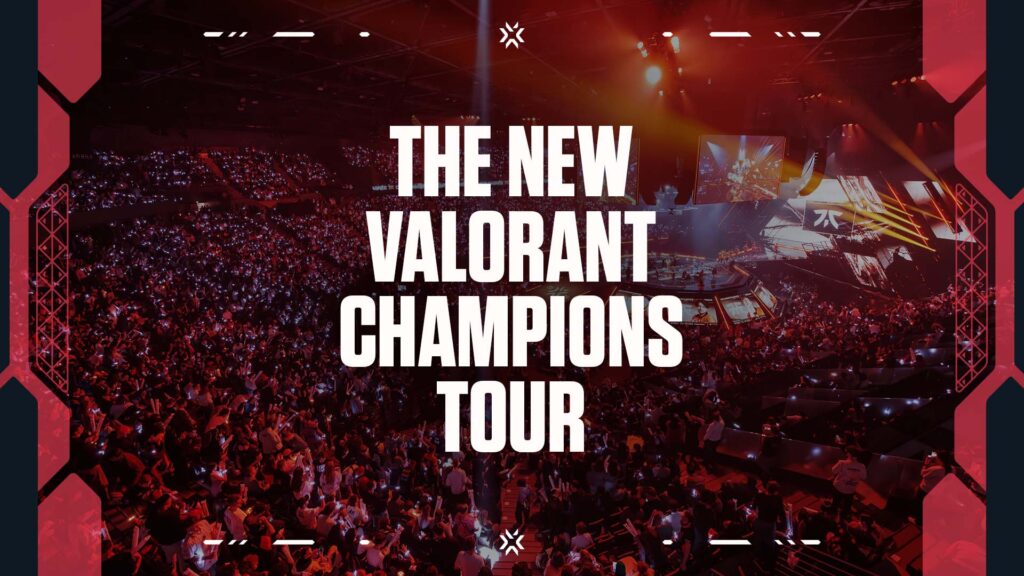


Riot Games announced a seismic shift for the future of the VALORANT Champions Tour (VCT). Starting in the 2027 season, the organisation will completely overhaul its competitive structure, moving away from the fixed, league-based model that has defined the sport since its partnership era began in 2023, and opening applications for a new cycle of partnered teams.
In its place, Riot is introducing a “Tournament-First” ecosystem designed to ensure every match carries weight. The most significant change for fans and players alike is the introduction of Open Qualification for global events; for the first time, any aspiring team will have a direct, performance-based path to qualify for Masters and Champions, removing the previous seasonal barriers that restricted the top tier of play to a small group of organisations.
Also read:
- ZOWIE secures VCT Americas monitor partnership
- Esports Nations Cup 2026 adds Street Fighter 6 as final title
- Team Vitality CS2 lead departs ahead of IEM Cologne Major 2026
The centerpiece of this new era is the VCT Cup system. These LAN-based tournaments will officially replace traditional regular-season league play. Each competitive territory will host multiple Cups per year, which will serve as the primary qualification rounds for international stages.
This shift allows Riot to significantly expand its global footprint, with plans to host more than 20 tournaments annually across 16 different cities.
By moving competition out of fixed regional hubs and into diverse “roadshow” locations, the VCT aims to bring live esports closer to local fanbases while maintaining a fast-paced, “win-and-advance” atmosphere. Leo Faria, Global Head of VALORANT Esports, noted that this change is intended to make the sport more unpredictable and accessible to teams worldwide.
Supporting this structural change is a refreshed Two-Year Partnership Model beginning in 2027. While the doors are opening for independent teams, Riot is maintaining its commitment to long-term partner organisations through a new application cycle that begins today, 8 April 2026.
Partnered teams will continue to receive a guaranteed base payment, performance bonuses, and revenue from digital goods—a system that, according to Riot, shared over $86 million with teams in 2025 alone. Crucially, partner teams will also receive Direct Seeding into later rounds of tournament qualifiers to ensure their business stability.
However, the new system is designed so that non-partnered teams who perform exceptionally can actually out-earn lower-ranked partner teams through prize pools and competitive payouts, which will total over $6 million annually.
Riot’s move to a unified, single tier of competition marks a pivot back to the “open circuit” roots, albeit with the financial backing of a modern partnership system. By funding travel for global events and speeding up payout cycles, the developer is attempting to lower the operational risks for new organisations entering the space.
This shift effectively signals the end of the current static hub model; the era of full seasonal splits tethered to single locations like Los Angeles for the Americas is over, replaced by a dynamic schedule that moves across 16+ global cities.
As the VCT prepares for this massive transition, we will be watching closely to see how this shakeup is felt across the industry. The application process opening today will eventually reveal which organisations secure a spot in the new two-year partnership cycle, likely introducing fresh faces to the top flight. Beyond the established names, the open-access format promises the emergence of new regional stories and the potential for powerhouse teams to be forged from the grassroots up.

Follow The Esports Radar on social media: