



Ivan Kondratov, CEO of Russian esports organisation K27 Esports, recently shared a financial breakdown outlining the costs involved for a lower-tier team attending a single offline Counter-Strike 2 (CS2) tournament.
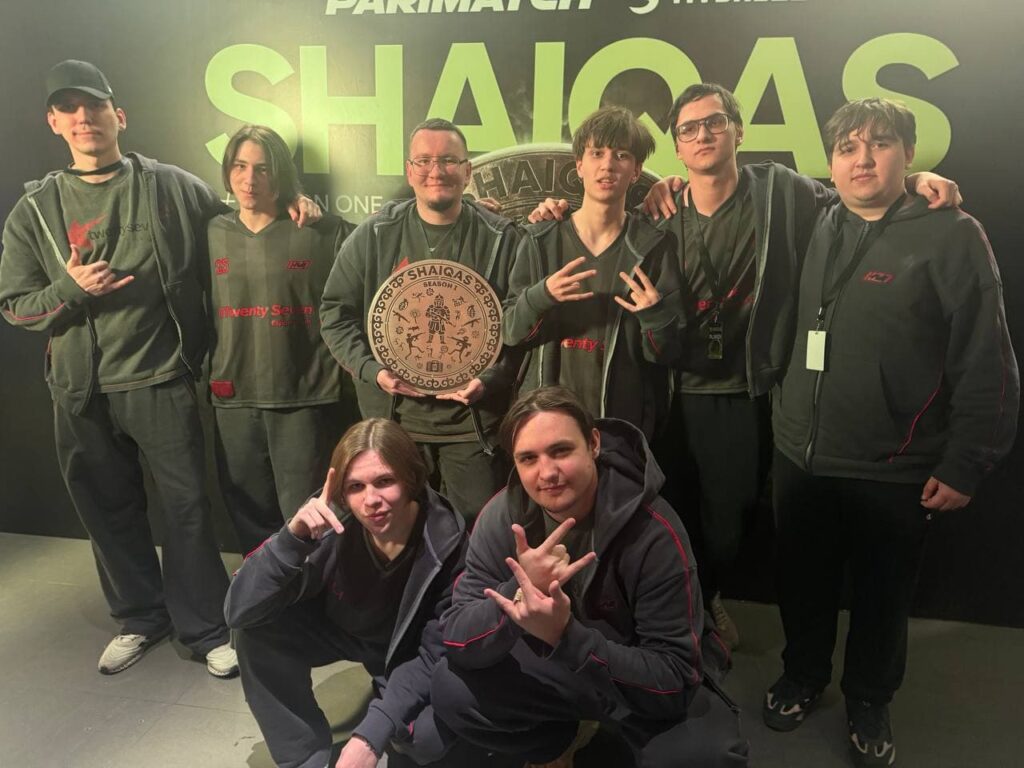
K27 Esports recently travelled to Belgrade, the capital of Serbia, to compete in 1win Private Club #1, a Tier 2 CS2 LAN tournament organised by BASED Esports. In a post on X, Kondratov said the trip cost the organisation $21,490 in total. In return, the team finished with a record of 1 win and 2 losses, placing 5th/6th and earning $9,000 in prize money, along with 19 Valve Regional Standings (VRS) points.
VRS points are used by Valve to rank teams and determine qualification for larger events, and Kondratov noted that each point cost the team roughly $1,131 based on this trip alone.
According to Kondratov, the largest single cost was the round-trip flight, at $9,510. He said this is unavoidable for a team based in Russia, since flights make up the most expensive part of travelling to European tournaments from that region.
The team arrived a couple of days early to hold a bootcamp, a short training camp before the event, which cost $1,800. Hotel costs for the group’s stay from September 24 to 29 came to $4,180. Kondratov noted that the tournament organiser, BASED Esports, provided the team with free practice rooms during this period, something he said is usually only offered by Tier 1 organisers.
The remaining major cost was around $6,000 spent over seven days on day-to-day expenses such as taxis, food delivery, and group meals for a travel party of eight people. Kondratov said the team could have spent less in this area, but that it was a minor cost compared to the flights.
Here’s a quick look at the expenses:
- Round-trip flights: $9,510
- Bootcamp: $1,800
- Hotel: $4,180
- Food, taxis, and other basic expenses: $6,000
- Total amount: $21,490
These figures are not necessarily representative of every team or tournament. Costs can vary significantly depending on a team’s home region, the tournament’s location, flight availability, the length of the trip, and how many staff and players travel.
Kondratov described the overall cost as a heavy burden for a team trying to establish itself at a stable Tier 2 level and eventually qualify for Tier 1 events, where he said organisers typically cover all costs except personal spending.
At the top tier of Counter-Strike, the financial dynamics indeed look different, though arrangements vary. Major organisers such as ESL FACEIT Group and BLAST frequently assist with or cover expenses like travel, accommodation, and transport for invited or qualified teams, though coverage is not universal and depends on specific event terms. Combined with prize pools that can exceed $1 million, these Tier 1 events generally offer a more favorable financial landscape than Tier 2 competitions.
Ivan also claimed that he has spent roughly $800,000 on K27 esports since it was founded, a net figure that already accounts for all prize money the team has earned across tournaments over more than two years. According to Kondratov, this spending took place without any sponsorship deals until May 2026, meaning the costs up to that point were covered through what he described as enthusiasm, support, and belief that his team could compete at the highest level.
Kondratov’s breakdown echoes similar disclosures from other organisations competing outside Counter-Strike’s top tier. CYBERSHOKE Esports, an organisation founded in 2023 and based in Belgrade since 2024, has said it spent nearly $1 million over its first two and a half years of operation while earning back only a small fraction of that in prize money.
The disclosure arrives amid broader structural and economic changes across the Counter-Strike esports scene, as organisations reevaluate their involvement and teams continue to enter and exit the space. Envy is the latest to make a comeback, announcing on September 29, 2026, that it acquired the former roster of French team 3DMAX.