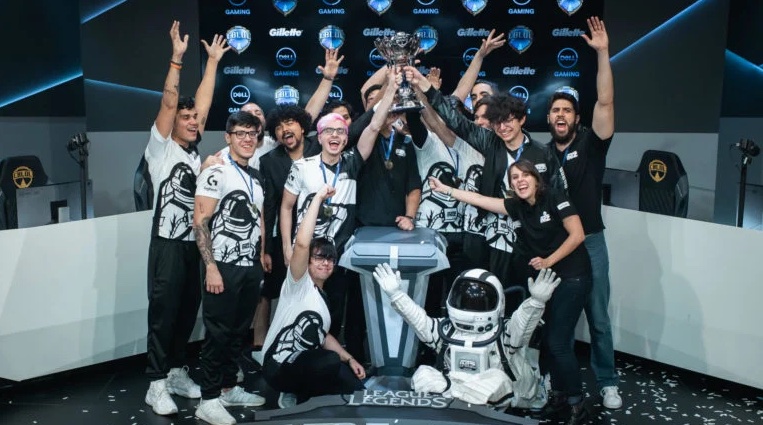


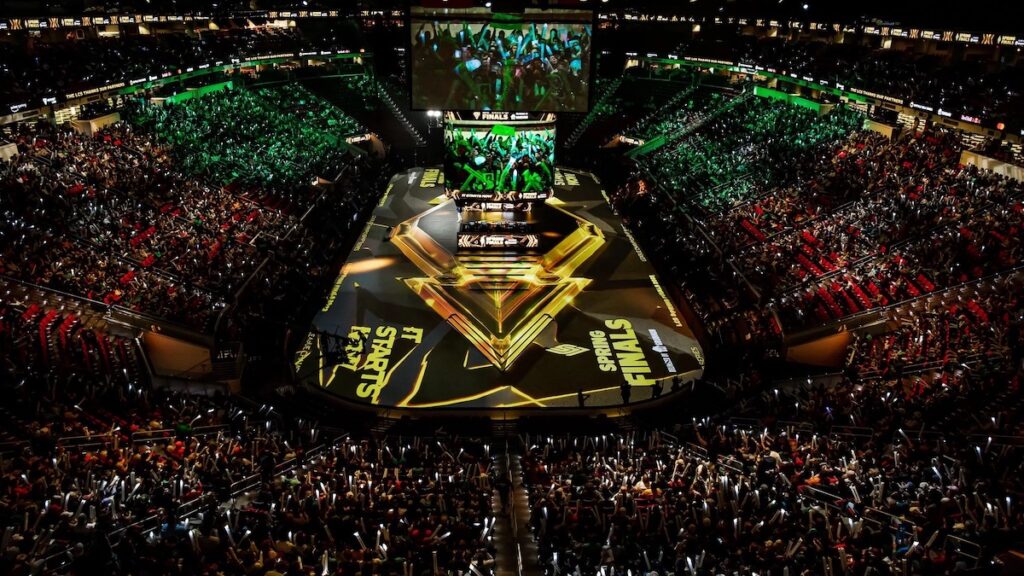


Four months ago, Riot Games performed a remarkable volte-face. The League of the Americas (LTA), a bold structural experiment launched just one year prior, was being dismantled. In 2026, the storied, regional banners of the LCS (League Championship Series) and CBLOL (Brazilian League of Legends Championship) would be restored as fully independent competitions.
The official announcement cited a need to “honour the passion of fans” and restore “legacy brands”. But this was more than a simple branding refresh. It was a profound corporate correction, an admission that a data-driven, pan-American vision had mistakenly undervalued the intangible, fierce loyalty that defines sporting culture. Through exclusive insight from within Riot, a clearer picture emerges: of a company learning that in esports, spreadsheets cannot measure soul.
The Grand Experiment
The LTA’s 2025 launch was logically sound. By merging North America’s LCS and Brazil’s CBLOL into a two-conference Americas league, Riot aimed to raise competitive standards through more frequent, high-stakes cross-regional play. The model promised operational efficiencies and a streamlined path to global events.
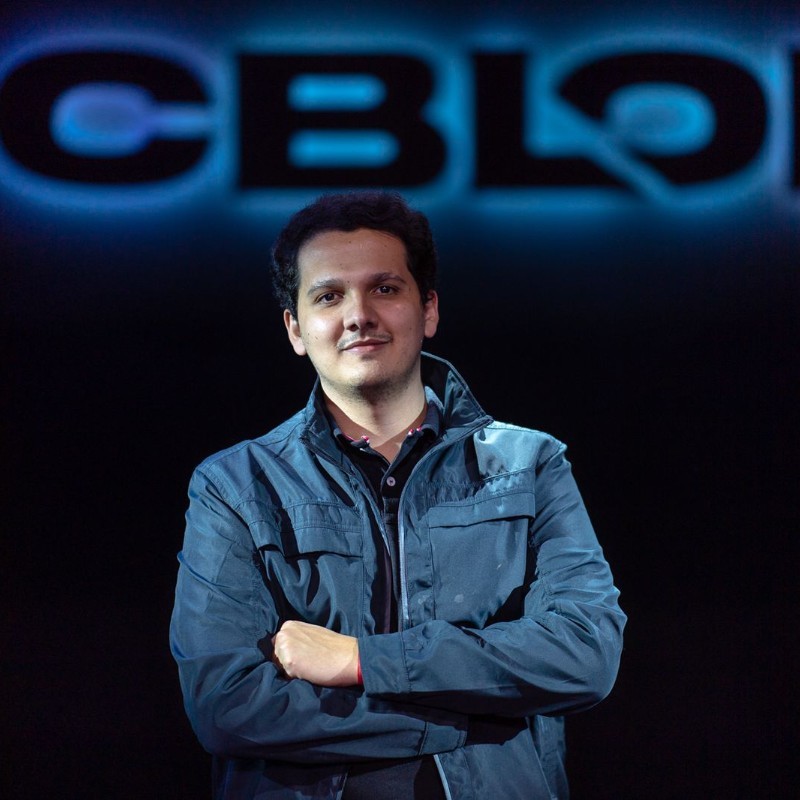
Yet, according to Igor Corrêa, Product Lead for CBLOL, the year became a “year of learning” that exposed a critical miscalculation. “It was very much about the balance between competitive evolution, business model, and connection with the community,” he explains. While competitive progress was noted, a worrying “disconnection” set in.
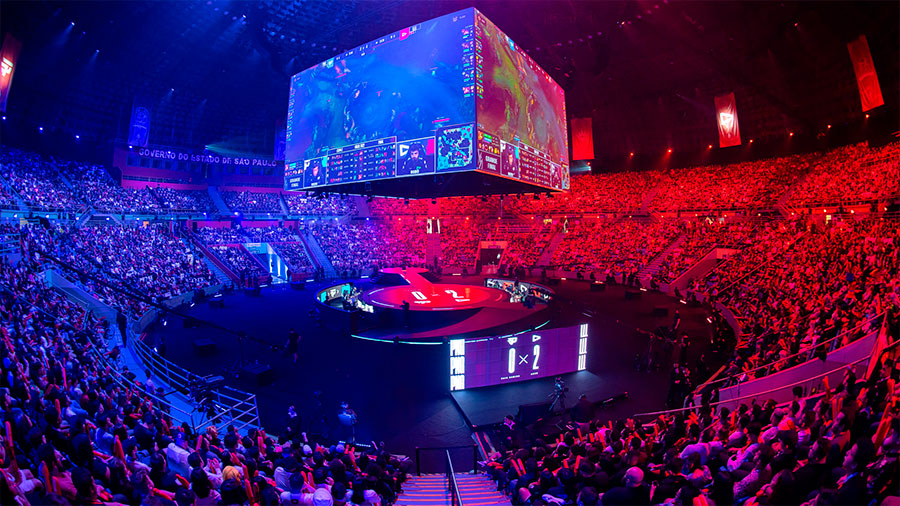
This disconnection was most acutely felt not by the hardcore fan, but by the casual viewer—the lifeblood of any major sport. These are fans who engage with seismic, cultural moments: a sold-out grand final at São Paulo’s iconic Ibirapuera Stadium, the retirement tour of a legend, or a historic rivalry match.
“The casual viewer… is usually someone who comes for the moment,” Igor notes. “We felt that the fan became disconnected. It was complicated to explain this transition to him.” The LTA, in dissolving the distinct regional identities, inadvertently dissolved the very landmarks that drew these fans in. The risk, as Riot internalised, was that once that casual connection severs, “recovering it becomes a little more difficult.”
The Core vs. The Crowd: A Delicate Balance
This episode forced Riot to explicitly confront the eternal tension in sports management: balancing the demands of the devoted core against the need to attract new audiences.
Igor’s analysis reveals a clear strategic prioritisation. “For someone to watch League of Legends esports… it’s very difficult if they don’t play,” he admits. The path for growth, therefore, isn’t pure evangelisation to outsiders, but re-engaging the lapsed enthusiast. The focus is on “passion, a sense of community… ‘be part of this community that is so cool to be part of.'”
The return of the CBLOL and LCS brands is the ultimate play for this group. It’s a powerful signal to those who drifted away: *your home, your history, has returned*. The strategy pivots from explaining a new, abstract entity to rekindling nostalgic, existing affection.
The Spreadsheet vs. The Stadium
A subtext throughout this saga is the economic disparity between the regions. The LTA model, in part, sought to harmonise a North American audience with a higher average revenue per user (ARPU) with a Brazilian audience renowned for its unparalleled fervour but lower direct monetisation. This imbalance was tacitly acknowledged in the original LTA’s international slot allocation, which heavily favoured the LCS by granting the North American league three spots at the League of Legends World Championship (Worlds) while CBLOL got only one.
When questioned on this commercial calculus, Igor’s response was telling. He deflected to the broader “tripod” philosophy—fans, teams, business—stating financials are “never the only decisive factor.” Yet the reversal itself is the real evidence. According to Riot, the choice was to prioritise “preserving the passion of the Brazilian crowd” and the “regional identity of the North American fan” over a potentially neater, but emotionally hollow, business model.
It is a concession that the most valuable metrics—cultural relevance, community loyalty, and the electric atmosphere of a packed stadium—are “too abstract” for any spreadsheet. The lesson is that in sport, **crowd support is a form of capital**, one that can be dangerously depreciated by rebrands and mergers.
The Internal Pivot: “Fail Fast and Learn”
According to Corrêa, the decision to revert wasn’t a sudden revolt but a “continuous, joint observation” between regional and global leadership. Feedback wasn’t just from fans; team owners and players, feeling the community’s pulse daily, provided crucial intelligence.
“We treated last year as year zero,” Igor reveals, highlighting Riot’s culture of “testing” and being “open to pivoting.” This “fail fast” mentality, borrowed from tech, is rarely applied so publicly to global esports structures. The humility to make a U-turn of this magnitude is itself a significant statement.

The Hybrid Future: Legacy with Lessons
The 2026 reset is not a pure regression. Elements deemed successful, like the Americas Cup, remain, providing the cross-regional competition the LTA desired. CBLOL emerges with enhanced “major region” status, including a direct seed to First Stand. The leagues return with streamlined formats but their historic identities intact.
In the end, the return of the LCS and CBLOL is a victory for the fundamental truth of sports: you cannot manufacture heritage. Riot’s experiment proved that competitive structures can be redesigned, but emotional connections are non-transferable. The company learned that the roar of a crowd, whether in Los Angeles or São Paulo, isn’t just noise—it’s the most vital health metric of all.
Follow The Esports Radar on social media: