

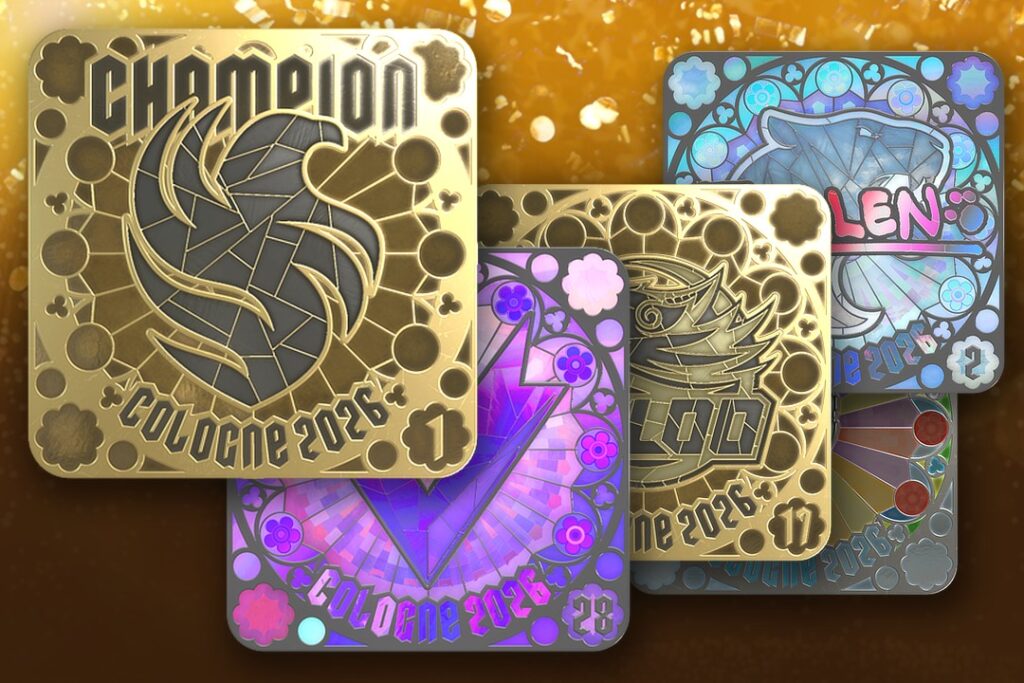


Game developer Valve has officially released the Ranked Series stickers for the Cologne 2026 Major, marking a rare public pivot in its Counter-Strike esports monetisation framework.
In a patch update on July 28, 2026, Valve explicitly admitted that its experimental dynamic pricing model “didn’t produce reasonable prices” during the initial release, prompting an immediate structural price reduction for the newly added collectible series.
Also read:
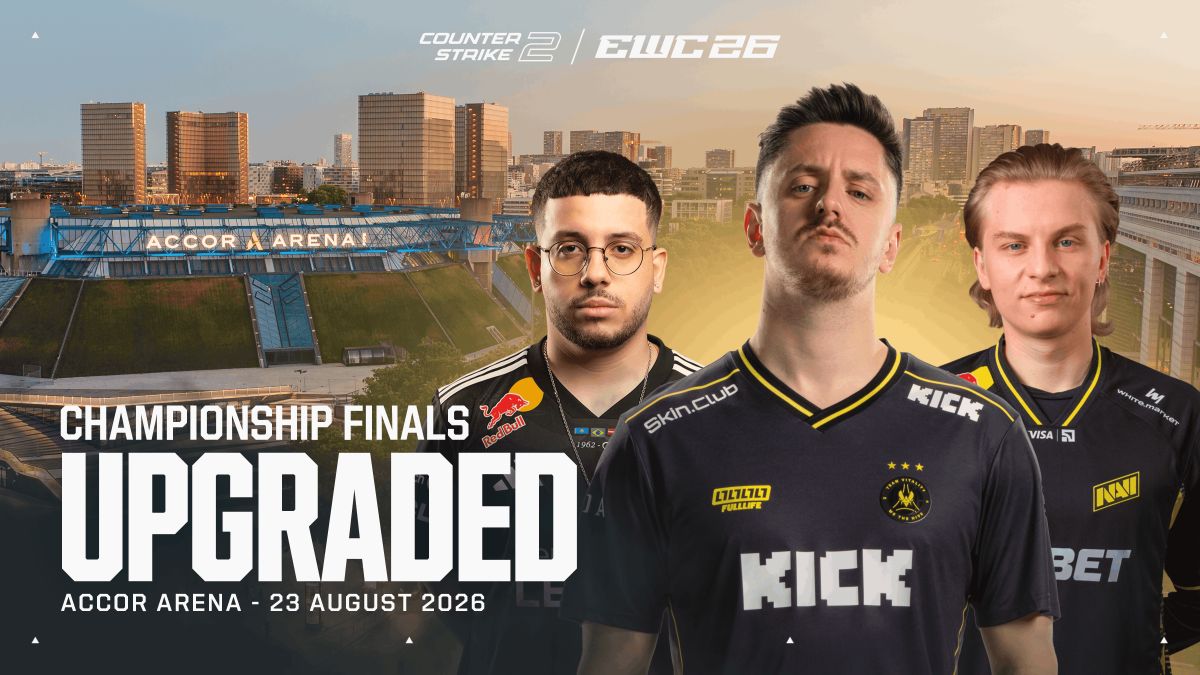
- Esports World Cup 2026 selects Accor Arena for CS2 Grand Finale in Paris
- paiN Gaming promotes Bruno “Butcher” Pereira to Content and Communications Manager
- DRX reportedly gearing up to file for a Singapore Exchange listing
The update introduces visual variants tied to each team’s final standing in Cologne, while lowering the baseline cost for players and fans. Despite the price adjustment, Valve confirmed that the commercial terms remain unchanged: 50% of all shop royalties will continue to be split among participating teams, players, and tournament organiser ESL FACEIT Group (EFG), with items remaining available until September 29.
The decision to overhaul the pricing model highlights the real-world friction caused by Valve’s token-based dynamic experiment. Originally designed to let market demand float individual item prices, where high demand automatically pushed token costs higher, the system caused high-demand team and player stickers to balloon to unsustainable heights, reaching upwards of 150,000 tokens (roughly $1,500).
The new sticker purchase dynamics heavily reduced overall purchase volume, leading participating organisations to report a steep decline in expected sticker revenues compared to previous Major cycles, and Gaimin Gladiators even halting its CS2 project after changes.
By stepping in with the Ranked Series, Valve is attempting to re-engage the broader buyer base. The new stickers maintain the same relative demand relationship between players and teams, but scale prices down significantly, capping high-tier items closer to $60.
Because Major sticker sales represent one of the single largest annual revenue drivers for competitive Counter-Strike clubs, the coming weeks will determine whether higher transaction volumes under the revised model can make up for the lower per-unit cost before the shop officially closes in late September.

Follow The Esports Radar on social media: