



Brazil’s betting ban is creating one of the most significant commercial shocks the country’s esports scene has faced in recent years. The immediate effect has been easy to see: betting and casino brands are disappearing from team jerseys, social media and other communications, while organisations that had built commercial relationships around the category are being forced to reconsider their plans.
The immediate trigger is Brazil’s provisional measure (Medida Provisória, or MP) 1.394/2026, signed by President Luiz Inácio Lula da Silva on September 25. The measure prohibits the operation of fixed-odds betting in Brazil and introduces restrictions on advertising, marketing and sponsorship for betting operators. Operators had until October 6 to block access to their websites and applications in Brazil and completely halt all marketing communications towards Brazilian audiences, including sponsorship activations.
The impact of the ban extends far beyond esports. In sports, particularly football, the majority of top-tier Brazilian clubs relied heavily on betting operators as primary jersey sponsors, and Brazilian sports media also relied on them as a big source for advertising money. For instance, prominent football club Clube de Regatas do Flamengo has launched legal action at the Supreme Federal Court and spoken out publicly against the regulation, warning of severe financial losses after being forced to drop its primary sponsor, Betano, due to the MP.
While the policy arguments driving the decision fall outside the scope of this Heat Map, the focus here is strictly on its immediate effects within the esports landscape.
Betting has become particularly important to Brazilian Counter-Strike 2 (CS2), where organisations have had considerably more freedom to work with sportsbooks and casino operators than teams competing in ecosystems such as League of Legends, VALORANT or Rainbow Six Siege. The withdrawal of that money therefore risks hitting not only the biggest CS2 organisations, but also the emerging teams and wider ecosystem that had come to rely on it.
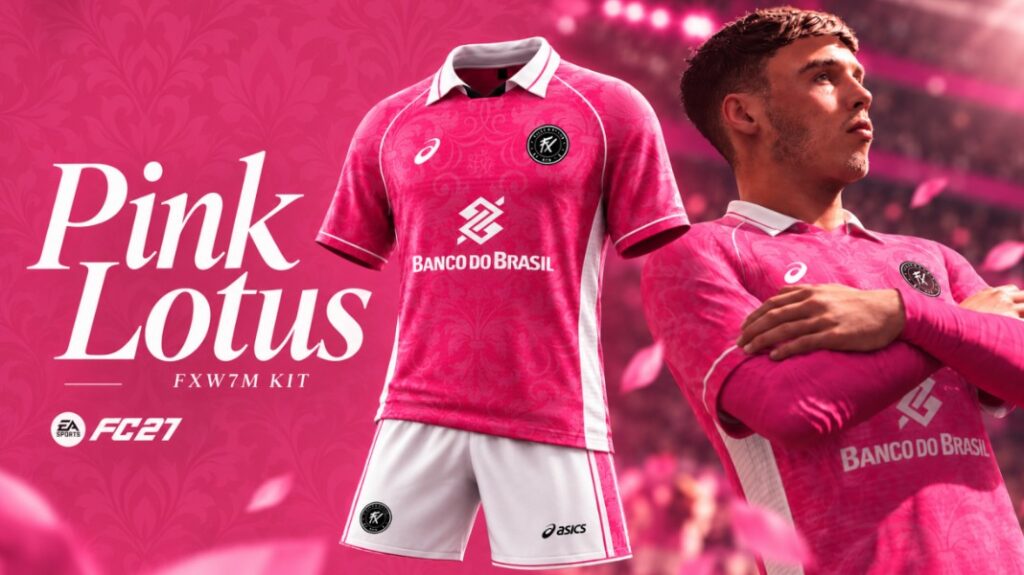
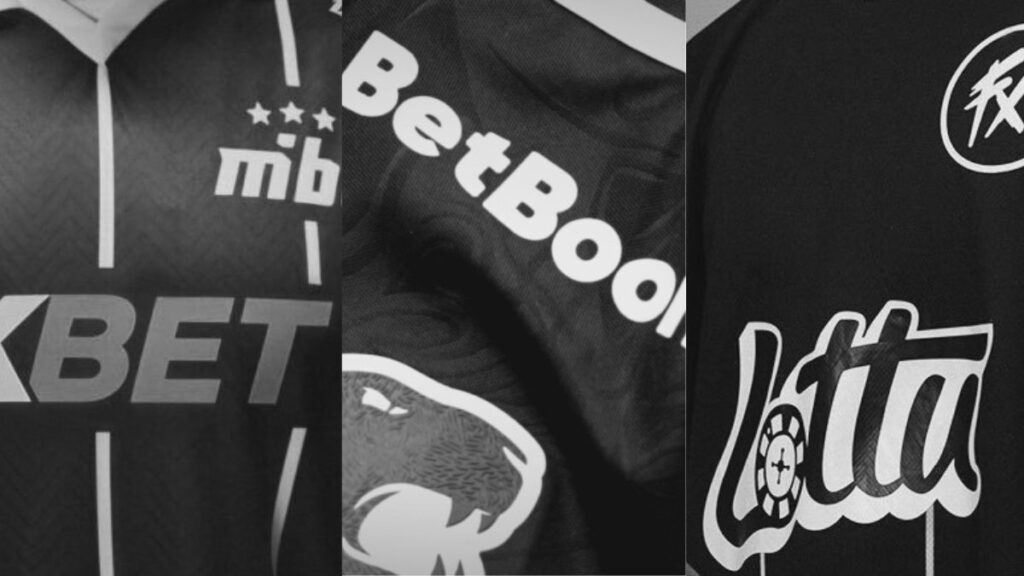
MIBR, which last year became the first organisation within the Riot Games ecosystem to receive approval for a betting sponsorship, has completely removed 1xBet branding from its communications. Fluxo W7M has similarly stopped displaying Lottu branding. FURIA, meanwhile, has removed BetBoom assets after moving to terminate its two-year partnership with the company.

Vivo Keyd Stars has also removed EstrelaBet branding from its media, adding another established Brazilian organisation to the list of teams distancing themselves from betting sponsors, and there is a potentially more significant development running alongside the sponsorship withdrawals: both LOUD and Vivo Keyd Stars have dropped their CS2 teams after the MP was enacted.
While it could be a bit of a stretch to attribute either decision solely to the betting restrictions, the timing is nevertheless difficult to ignore.
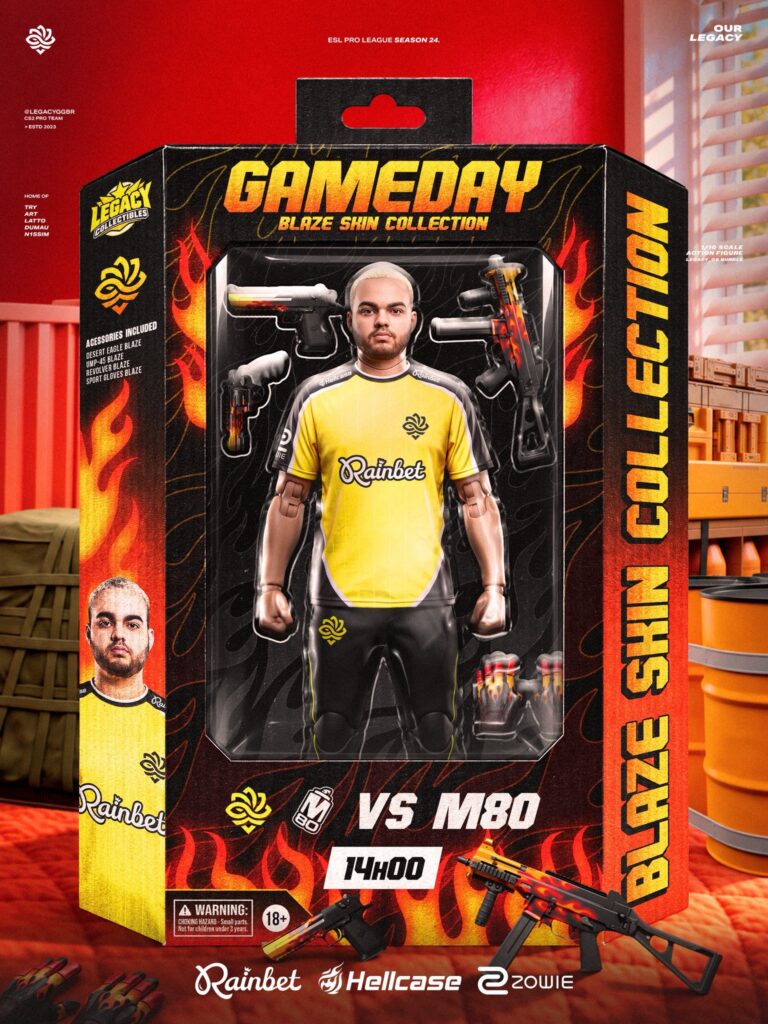
Some teams and operators, though, are handling it differently. Legacy, for example, continues to display Rainbet branding as it competes exclusively in international CS2 tournaments, while Imperial continues to display Gamdom branding.
Neither Rainbet nor Gamdom have operated in Brazil, but that alone does not necessarily place the partnerships outside the scope of the new restrictions if their advertising reaches Brazilian audiences. An important part is that the legislation is not simply about whether a betting company is based in Brazil or whether a match is played inside the country. Esports-specialised lawyer Bruno Cassol, who analysed the measure for The Esports Radar, explained that the relevant question is whether advertising is directed towards a Brazilian audience.
“The criterion of application is not where the match takes place nor where the betting house is headquartered — it is who the advertising is directed towards,” Cassol told The Esports Radar. Legacy’s and Imperial’s cases, therefore, are worth following as the situation develops.
Freezing atmosphere
The Brazilian Counter-Strike community’s wider sentiment is that the betting restrictions represent a major blow to the scene. The concern is not necessarily that every major organisation will disappear, but that the teams operating further down the competitive pyramid will have considerably fewer ways to finance themselves.
Betting companies were not just buying prominent jersey placements from the country’s biggest organisations. Their money also reached tournaments, broadcasts, smaller teams, creators and other initiatives around the ecosystem. When that source of funding disappears, the organisations with the least room to absorb the loss are likely to feel it first.
BetBoom had established a substantial position in the Brazilian and Latin American Counter-Strike broadcasting market, acquiring rights from BLAST, PGL and ESL FACEIT Group and supplying broadcasts with Portuguese-language channels including big names such as MadHouse TV and Gaules, but also to creators that otherwise would not have the power to secure the rights themselves.
As BetBoom has effectively pulled back from Brazil entirely, there were legitimate questions over whether it would create a broadcast problem. The Esports Radar learned that the market dynamic has been effectively reverted to the pre-BetBoom framework, with individual channels once again securing broadcast rights directly. The damage extends also to grassroots competition, as the company had sponsored other local CS2 initiatives including GC Masters and BetBoom Storm, the latest now officially cancelled.
There is a reasonable argument that this could become an opportunity to build a more sustainable ecosystem. A scene that depends less heavily on betting and casino money will likely be forced to diversify its commercial base, develop stronger long-term partnerships and find business models that are less exposed to regulatory changes.
But that transition will not happen without some pain. Removing that category almost overnight does not allow room or time for organisations to replace that, and this key segment leaves a sizable hole to plug. Furthermore, there is a sentiment that Brazilian teams will now face an uneven playing field when competing internationally. Local organisations must now go head-to-head with foreign rivals that continue to draw huge financial backing from betting sponsors, a disadvantage compounded further by currency disparities with the Brazilian Real sitting at roughly 5 to 1 against the US Dollar.
Beyond CS2 and the near future
There is also an important difference between Counter-Strike and other major esports in Brazil.
Major titles like League of Legends, VALORANT and Rainbow Six Siege have historically operated with greater restrictions around betting partnerships, not only in Brazil but worldwide. Riot Games opened its ecosystem in EMEA an the Americas to certain betting sponsorships in 2025, but only MIBR subsequently received approval for such a partnership in Brazil.
Counter-Strike therefore entered this period with much greater exposure to the category. That makes the disruption particularly visible, but it also means the consequences could spread beyond CS2. In practice, esports organisations rarely fully insulate individual game budgets from one another. A decline in Counter-Strike revenue directly squeezes whole-org operational budgets, creating a knock-on effect for non-CS rosters, even in titles where betting sponsors were never permitted.
The question now is whether this becomes a permanent reset or a temporary shock.
The MP itself is not necessarily the end of the story. Brazil’s Congress can reject or modify a provisional measure, meaning the current restrictions could potentially be overturned within the next 60 to 120 days.
The presidential election also adds another layer of uncertainty. If candidate Flávio Bolsonaro wins the election, he has already signalled support for at least allowing sports betting. That could provide a route towards reopening part of the market.
But even that would not necessarily restore the Brazilian esports and sports sponsorship landscape to what it was before the MP. According to sources contacted by The Esports Radar, roughly 80% of betting companies’ income in Brazil came from casino products rather than sports betting. For operators, sports and esports sponsorships can serve as marketing acquisition hooks to draw in users who are subsequently cross-sold into high-margin casino games. Therefore, reopening sports betting alone without casino products could severely weaken the funnel driving their most lucrative revenues, leaving a substantial part of the industry unable or unwilling to return to its previous level of sponsorship investment.
For Brazilian esports, that may ultimately be the most important lesson from the current disruption. The industry has spent years benefiting from a category that could invest heavily and move quickly, particularly in Counter-Strike. Now that the money has been removed, organisations are being forced to confront how much of their commercial ecosystem depended on it and, more importantly, how much of that money was not used for structural development.
There is certainly a case for seeing this as an opportunity. A more diversified sponsorship landscape could be healthier in the long term, particularly if teams can build relationships with brands outside gambling and develop commercial products that are not dependent on one specific powerful category.
But that is the long-term, optimistic version of the story. Right now, Brazilian Counter-Strike is dealing with a sizable hole in its commercial model. Whether the hole is eventually filled by new sponsors, reopened betting money, or simply results in a smaller, more sustainable ecosystem will depend on what happens over the next few months.
For now, Brazil’s betting restrictions have put years of discussion about esports sustainability to the test: just how solid is the business of Brazilian Counter-Strike without betting money?
Beyond Brazil, it invites a deeper reflection for the wider industry: as regulatory or economic shocks can affect other markets, are we building solid, lasting foundations so the ecosystem doesn’t depend too heavily on a single sponsorship category?
Editor’s Note: Given the time-sensitive nature of this topic, we are making an exception and publishing today’s Heat Map on The Esports Radar only one day after it lands in inboxes. Normally, Heat Map subscribers enjoy exclusive early access to our deep dives long before they hit the site. To receive our breaking analysis the moment it drops, subscribe to our newsletters here.