

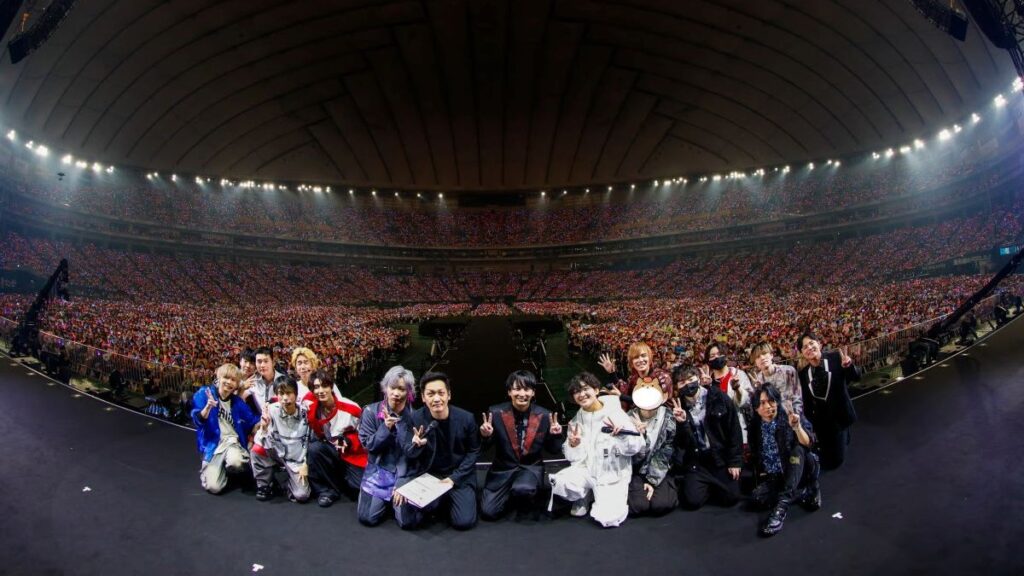


One esports business story sent shockwaves across the entire industry last week, and for good reason. After concluding its five-year deal with PC retailer GALLERIA, Crazy Raccoon Founder Oiiji (Daichi Takano) celebrated the Japanese organisation becoming what he called “sponsor zero,” reaching a point where it no longer needs sponsorship revenue to sustain its business.
Editor’s ote: This analysis was first published in the Heat Map newsletter on 10 September 2026.
It is an impressive milestone, and the surrounding buzz is well-deserved. Sponsorship has long been the anchor for the esports industry. In the 2022 Payments and the Monetisation of Esports whitepaper I worked on alongside Jordan Fragen, we found that around 80% of organisations relied on sponsorship as their main source of revenue.
This is something that has since been reinforced by multiple stories across where sponsorship is vital for esports teams and event operators. We’ve recently seen layoffs reportedly connected to the loss of major sponsors at organisations like Team Liquid and Vivo Keyd Stars. For a club to voluntarily step away from that model, therefore, makes for a compelling story.
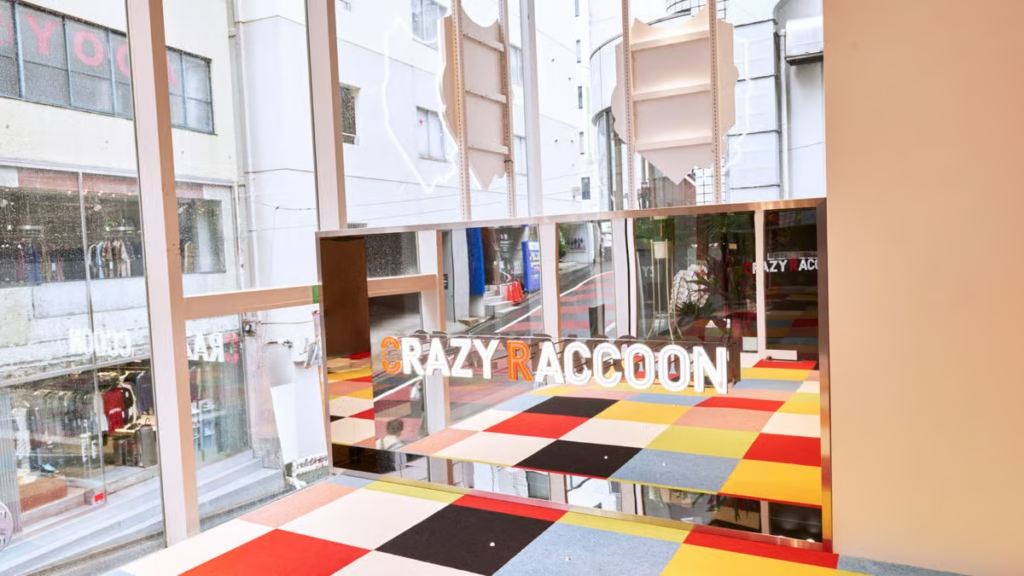
Founded in Tokyo in 2018, Crazy Raccoon spent eight years deliberately transforming from a competitive gaming clan into a full-scale media and lifestyle IP. In June 2022, CR opened the Crazy Raccoon Store and Gaming Space in Shibuya, creating a physical direct-to-consumer flagship store that sells exclusive high-margin streetwear and merch drops.
Beyond fielding top teams across VALORANT, Overwatch 2, Apex Legends, and Street Fighter, CR acts as a hybrid talent agency. Their 45-member roster, all able to monetise through their own sponsors (likely keeping organisational payroll down) spans VTubers, music artists, mainstream influencers, and pros with a combined following of over 20 million. To monetise this audience, CR built its own tournament IP, the Crazy Raccoon Cup and the Crazy Raccoon Festival (CR Fes, which in 2025 filled the Tokyo Dome with 55,000 live spectators), with broadcast licensing, and event merch.
Basing the org in Tokyo’s youth-culture capital proved essential. Their model even suggests a potential roadmap for the broader industry: hyper-localisation. By concentrating their footprint in Japan, anchored by a Shibuya retail hub and owned live events, they indicate that deeply engaged regional markets could offer a viable blueprint for teams to build sustainable, direct-to-consumer businesses across specific territories.
Yet, there is more nuance to Crazy Raccoon’s shift than simply deciding to walk away from sponsorship. For one thing, Crazy Raccoon did not establish itself by avoiding commercial partners. Partnerships have been part of the organisation’s growth over the years, with brands including JTEKT, Heartim, Mildom, Level Infinite and Logicool/ASTRO Gaming among those that have been a part of the story. Those relationships helped Crazy Raccoon build its brand, teams, infrastructure and reach before it arrived at this point.
That is an important distinction because “sponsor zero” can easily be interpreted as an argument against sponsorship itself. It really isn’t. If anything, Crazy Raccoon’s journey shows how sponsorship can be useful as an organisation builds towards a position where it has enough of its own diversified commercial portfolio to make that particular revenue optional.
That is far harder to replicate than the headline might suggest. There is a tendency in esports to look at a successful organisation and immediately ask what others can copy paste. Sometimes that makes sense but, in this case, I am not so sure it does. Not every organisation will have the capacity to build a hyper-localised Crazy Raccoon-sized engaged audience, sell enough merchandise, run enough events and create enough secondary businesses to replace sponsorship altogether. For most teams, sponsorship will remain important.

There is another side to this which is worth watching: An organisation like Crazy Raccoon moving away from sponsorship does not mean that partners became less relevant to esports. Brands still want access to esports audiences.
If one major organisation no longer needs that money, the budgets do not necessarily disappear with it. They can move elsewhere, potentially towards tournaments and organisations that also have the audiences, communities and competitive credibility that brands are looking for. Competition for sponsors just got smaller, and that creates an opportunity for the rest of the market.
There is also a more basic question that will take considerably longer to answer: how sustainable is this model over time?
Being “sponsor zero” today does not mean that sponsorship is off the cards in perpetuity. Markets change, audiences change and businesses change. A new expansion, a new game, a downturn in another revenue stream or simply a particularly attractive partnership could make sponsorship strategically valuable again.
None of that takes anything away from the achievement. Quite the opposite. Crazy Raccoon has reached a position that many esports organisations would love to be in: brand partnerships can be an addition to its business rather than something that it fundamentally depends upon.
Perhaps that is the lesson worth taking here: The goal for esports organisations isn’t to eliminate sponsors, but to build a business where sponsorship is one part of the model rather than the model itself. It’s a steep mountain to climb, but Crazy Raccoon proved it’s achievable.
That said, rather than copying another organisation’s playbook, the real key is finding your own footing to thrive on your own terms and possibilities.
This analysis was first published in the Heat Map newsletter on 10 September 2026. For early access to our analysis and more exclusive content, subscribe to The Esports Radar’s newsletters via this link.