

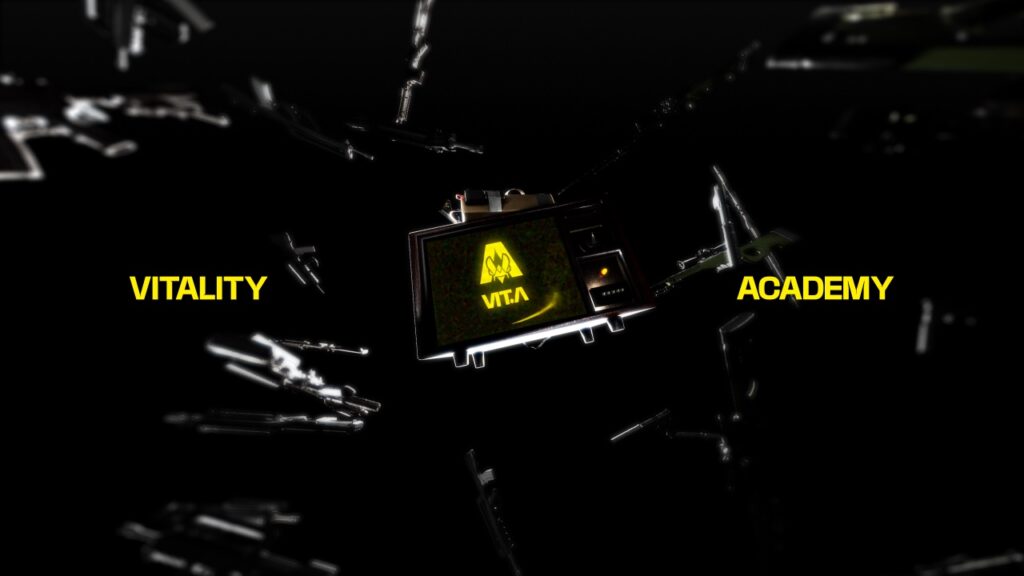


Team Vitality has officially announced the creation of a Counter-Strike 2 (CS2) academy division, eight years after first entering the competitive scene. The new roster, named Vitality Academy, will operate as a talent development pathway aimed at identifying, training and supporting young players.
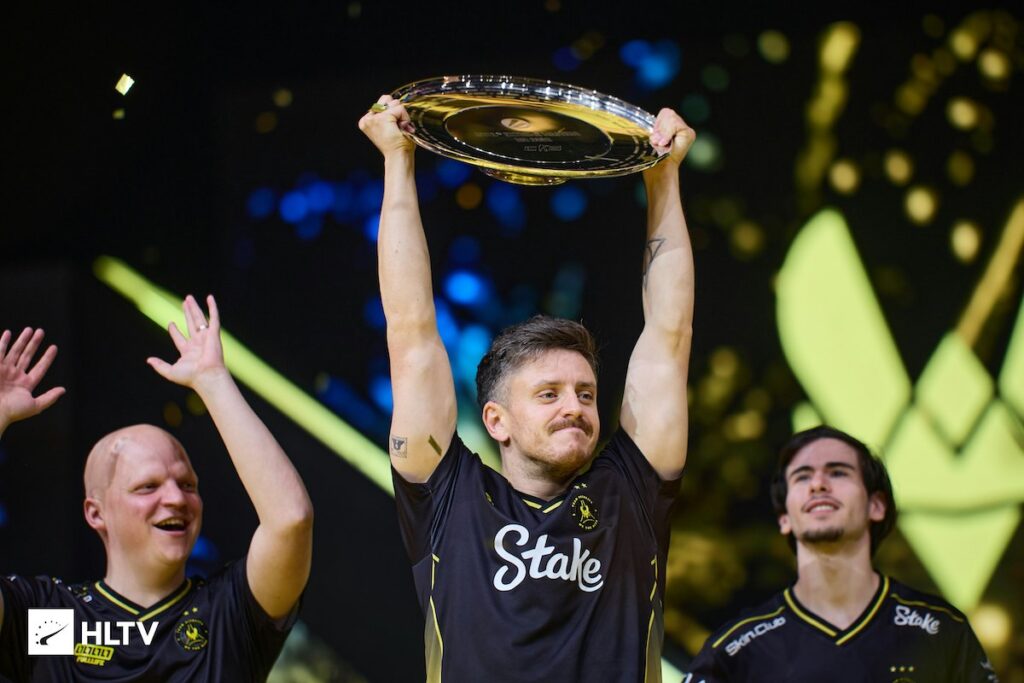
The move comes at a time when Vitality’s main CS2 team is widely considered the most successful in the world, having secured multiple Major titles and established what many describe as an era of dominance. The performance has a direct impact on the club’s financial results: as of April 2026, the team has already secured the ESL Pro Tour title after winning the IEM Rio 2026 tournament, adding a $1 million award to its balance. This is the second consecutive Pro Tour title conquered by the organisation.
According to club Chairman Fabien “Neo” Devide, that success has created both the resources and the responsibility to invest in the next generation.
“Creating a Counter-Strike academy means investing in the future of our ecosystem,” Neo said. “For esports to continue growing and structuring itself, it must rely on strong development pathways. At Team Vitality, we want to perform today, but also build the champions of tomorrow.”
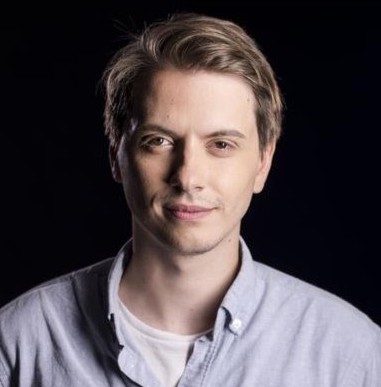
Vitality Academy has been training together for several months under the codename “Project H”. The coaching staff is led by Pablo “VdaK1NG” Escobar, with team manager Matthieu Péché – a former Olympic canoeist who managed Vitality’s main CS roster from 2018 to 2025 – bringing experience from elite sport.
The academy will have access to the same facilities as the main team, including bootcamps and LAN competitions, as well as joint practice sessions and feedback from the senior roster.
In an exclusive interview with The Esports Radar, Neo acknowledged that Vitality’s recent achievements in Counter-Strike have fundamentally changed the organisation’s trajectory. The decision to pivot from an influencer-focused model to a performance-driven one, he said, was initially a gamble.
“Right now that the model is proven, it’s definitely a massive shortcut for us in terms of acceleration of any growth,” he said. “Every time we go somewhere, people know us. People know what we are currently achieving with CS2.”
That recognition has translated into tangible commercial benefits, including increased sponsorship interest and high engagement rates. But Neo also stressed that the academy is not solely a business decision – it is a response to the natural lifecycle of any competitive team.
“Our main team will at some point need a new cycle,” he said. “Hopefully in five years’ time, but it’s something we have back in mind.”
He pointed to the signing of Robin “ropz” Kool on a free transfer as an example of disciplined financial management. “You don’t want to pay buyouts to competitors. One of the easiest ways to avoid that is to nourish talents and develop them in your own academy.”
Neo said the main roster’s players are expected to take on a mentoring role, something several have already shown interest in. He cited Dan “apEX” Madesclaire, captain of Vitality’s CS2 roster, habit of coaching lower-tier French teams in his free time as an example.
“When you’re on top of your game, the main team is self-sufficient. We can use that time to develop something that will hopefully become a reference, like NAVI and MOUZ have built over the years.”
Perhaps most notably, Neo highlighted a structural reality of the French esports market: League of Legends remains the country’s dominant title, while Counter-Strike still has room to grow.
“We are more of a League of Legends-driven country – League is bigger in France compared to Counter-Strike,” he said. “I hope that apEX will also inspire young French players to pick up Counter-Strike and build a career over there. Having an academy helps us to be accessible. For kids who are 16, the academy is a place for them.”
Departures and continuity
Asked about the recent departures of performance staff Anne Banschbach and Qayser Sachdev, Neo acknowledged their contributions, particularly Bensbach’s operational work, but said the organisation had absorbed the changes without a drop in results.
“It’s a machine that is well-oiled,” he said. “I’m the GM on the performance side, but I have world-class people doing the operational work every day.” He added, half-joking, that the combination of German discipline and French energy had proved effective. “It’s a good mix.”
Vitality Academy will begin competition immediately, with the organisation confirming that the team will participate in LAN events and follow a structured development programme. While no specific timeline has been given for promotions to the main roster, Neo made clear that the pathway is now open.
“I hope there will be people who are inspired and who have the drive to wear this jersey,” he said. “Because it is unique.”
Other top organisations also began recently to invest in a stronger drive for academy and grassroots initiatives, such as FlyQuest and FaZe, signalling a broader shift toward long-term talent cultivation in competitive gaming.

Follow The Esports Radar on social media: