

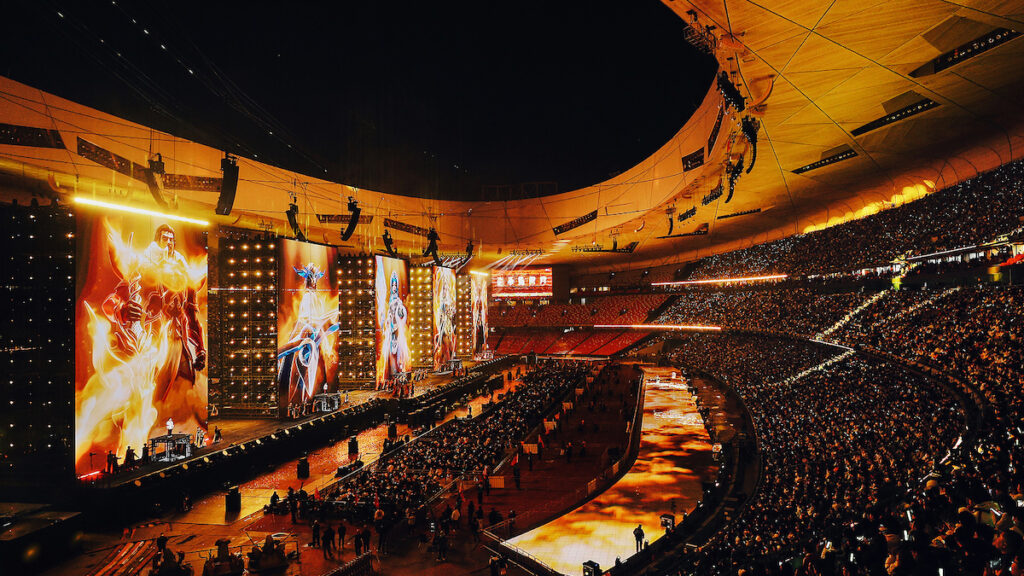


The discussion surrounding a potential Olympic Esports Games is not new, but it has gained fresh momentum following a turbulent year. Beyond the politics which would require a far deeper dive than this newsletter allows, there is a lesson that the choices made by the International Olympic Committee (IOC) leave to those who want to understand the dynamics of the esports industry: Mainly, high-performance esports is not about who plays; it is about who watches.
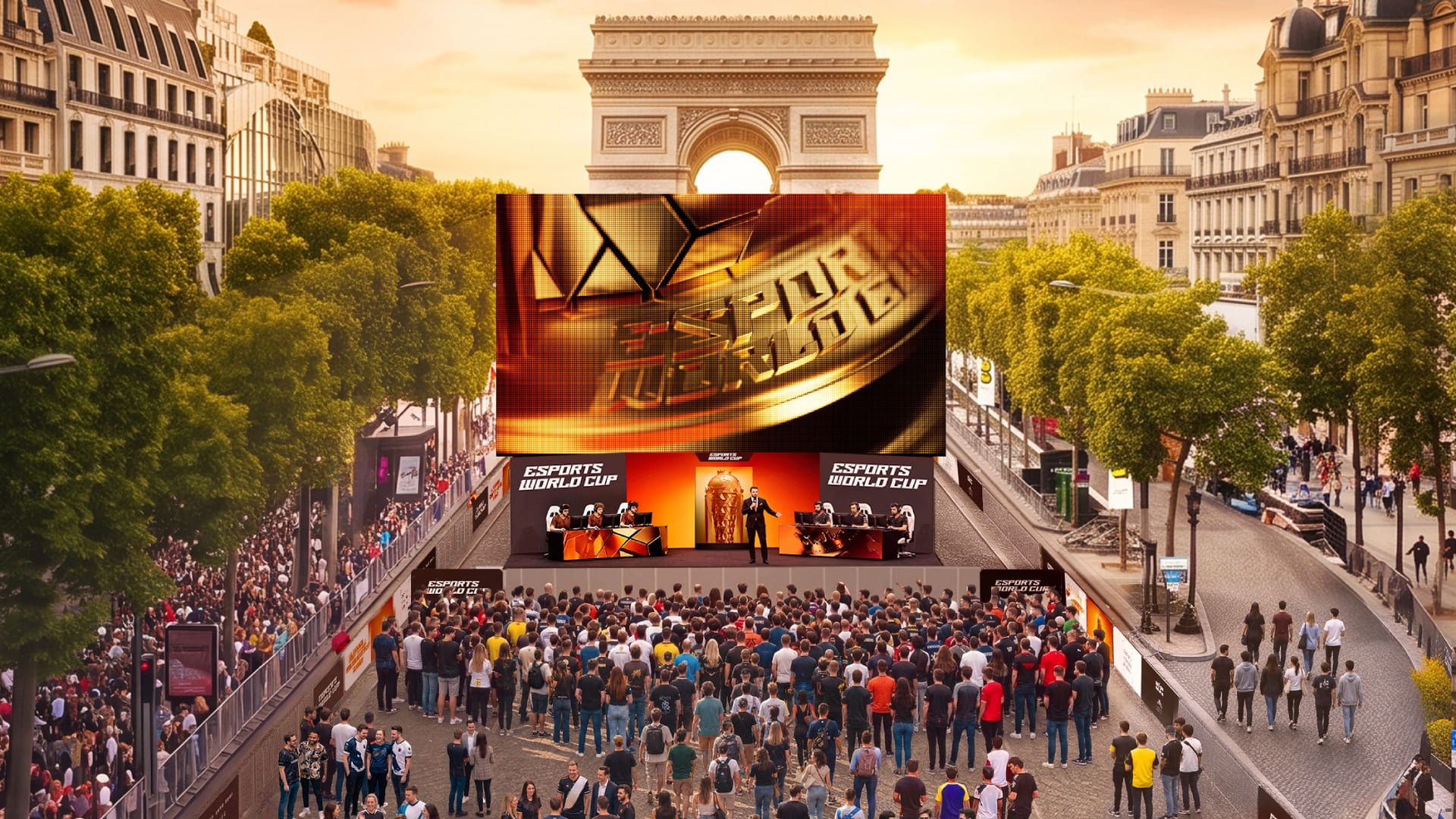
For context, the split between the International Olympic Committee (IOC) and Saudi Arabia involving the Esports Foundation (formerly the Esports World Cup Foundation) effectively halted what was once envisioned as the Olympic Esports Games for 2027. While the Foundation moved forward with its own national team initiative, the Esports Nations Cup, the IOC has now reportedly paused its esports ambitions altogether.
Although we’re conjecturing a bit here, there are many reasons behind these developments:
Governance is perhaps the biggest one. The reliance on national federations—a structure that works in South Korea with KeSPA (Korean Esports Assocoation) but remains controversial elsewhere, be it due to publishers’ control over intellectual property or for federations battling for legitimacy—creates friction that is not easily resolved.
Among other factors, there is a public demand by the IOC for esports titles to adhere to the “Olympic values”, ruling out some of the most popular esports titles such as Counter-Strike 2 (CS2) and including the likes of Tic Tac Bow (archery) WBSC eBASEBALL, Zwift (cycling), Virtual Regatta (sailing), Tennis Clash, Virtual Taekwondo, a custom Fortnite map for shooting, among others.
This creates a fundamental issue—one that is often overlooked: An esports spectacle should not be designed only for players, but also for the audience of the event.
This may sound counterintuitive in an industry built on games, but the distinction matters. Games are first designed to be played, for most or many this is the longer the better too given the investment required to develop and publish a quality game. Esports, however, in its top-tier professional level, is meant to be consumed. Its success depends not only on skill and competition, but on its ability to capture attention, tell stories and engage an audience that may not even play the game itself.
In other words, one of the pillars of esports is what could be described as watchability. Anyone who has ever watched a League of Legends match with someone unfamiliar to the game will recognise the barrier immediately. Complex mechanics, layered objectives and visual overload can make some of the most popular titles incredibly difficult to follow, and in turn offputting, for a new viewer.
While watchability can be an obstacle, and we could list some titles that were amazing to play competitively but failed as esports in parts for being too difficult to watch (I won’t list them here and save that controversy for another day), finding balance between gameplay and broadcasting is an inherent, much discussed and accepted challenge in the esports industry.
However, when we look at the titles featured during the Olympic Esports Week in 2023 — including simulations of archery, sailing, cycling and taekwondo — the issue turns upside down, all but washing away the possibilities and complexities esports offers to its audiences.
Take archery. A simulation game such as Tic Tac Bow (which since the beginning raised controversy around its choice) is easy to pick up and play (especially so given that it was a mobile title), and offers accessibility to players who lack the equipment or environment to practice the sport in real life. But from a spectator perspective, in a world full of high-definition slow-motion cameras, what does it offer that traditional archery does not? What is the added layer of spectacle or narrative?
It’s easy to see how a CS2 player becomes a hero through the game’s dynamics. However, a pure shooting simulation doesn’t offer that same narrative weight. Without the game’s complexity, the simulation struggles to compete with real-life shooting sports, where the unique style and personality of athletes like Yusuf Dikeç provide the true spectacle.
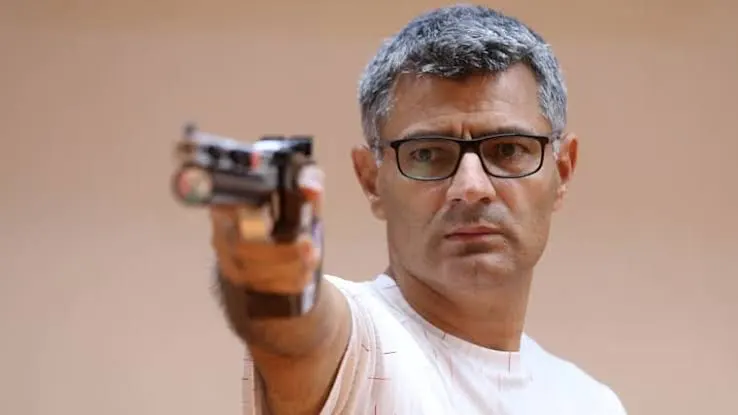
The same question applies across multiple simulation-based titles. There is a parallel here with the RENNSPORT circuit, which struggled to capture viewership despite backing from organisers including the ESL FACEIT Group (EFG).
The sim-racing community is a dedicated, passionate and highly engaged niche. However, for the wider public, why watch a simulation that strives for realism when you could just watch real racing? For the player, it’s an incredible experience. For the viewer, however, it is a missed opportunity to extend reality. A game is a way to see and experience things we cannot replicate in real life, like cars flying and/or hitting a giant football for example. The numbers back this up: RENNSPORT was the least-watched title of the 2025 EWC and will be replaced by Trackmania in 2026, which still features motor racing but in a much less realistic manner.
Esports, at its core, amplifies competition beyond reality. Whether it is the strategic depth of a MOBA, the unpredictability of a battle royale or the physics-defying mechanics of an arcade racer, the most successful titles tend to offer something that traditional sport cannot replicate. This is what attracts audiences to the streams, keeps them hooked and engaged across platforms, and sustains ecosystems. Ultimately, this is what sponsors pay for.
This is where the Olympic approach would almost certainly struggle if it kept on the path it was following. By prioritising only titles that align directly with and mirror select traditional sports—in essence simulations of existing disciplines—the IOC was selecting games that are inherently more compelling to play than to watch. In doing so, it misunderstands the core dynamic of esports as a form of entertainment. If the audience wants to watch a fight without “Hadoukens” or supernatural abilities, there is no compelling reason to choose Virtual Taekwondo over the real thing.
That is not to say these titles lack value. On the contrary, competitive circuits can be powerful marketing tools for publishers and can foster strong niche communities. Wildlife Studios’ Tennis Clash has its space in Roland-Garros. But they do not necessarily translate into mass spectator products — and that distinction is critical at the Olympic level.
In that sense, the IOC’s pause was a positive step. There are several topics to revisit, including the approach to esports governance and addressing their choice of titles. The timeout can do well for that. Without changing course, it would be too easy for critics to dismiss the entire industry by claiming “esports don’t work” afterwards.
If the goal is to build a global spectacle that promotes esports while connecting (and/or re-engaging) a new audience, the focus of the IOC cannot rest solely on participation or values alignment. In esports, the player starts the story, but it’s the viewer who decides whether it matters. This is a valuable reminder for the wider esports industry as we work to keep things moving forward and the Heat Map hotter than ever.
This analysis was first published in the Heat Map newsletter on 6 May 2026. For early access to our analysis and more exclusive content, subscribe to The Esports Radar’s newsletters via this link.

Follow The Esports Radar on social media: