




The 1st Child and Youth Court of the Federal District in Brazil has ordered major technology companies and video game developers to pay a combined BRL 298 million (USD 58.4 million) in collective moral damages over the use of random loot box mechanics. The judicial action directly penalises esports mainstays Electronic Arts (EA), Riot Games, Valve, Tencent, Ubisoft, Garena, Activision Blizzard, and Konami, requiring them to overhaul their regional live-service monetization models, enforce strict age verification blockades, and establish functional refund channels for parents.
Handed down following public civil actions moved by the National Association of Child and Adolescent Defence Centres (ANCED), the sentences target platforms for exposing minors to “predatory in-game reward systems”.
Also read:
- G2 Esports partners with PUBG MOBILE Esports to develop Western European scene
- BLAST partners with Circuit X to run North American qualifiers for BLAST Porto
- FIA opens public tender for official esports championship promoters
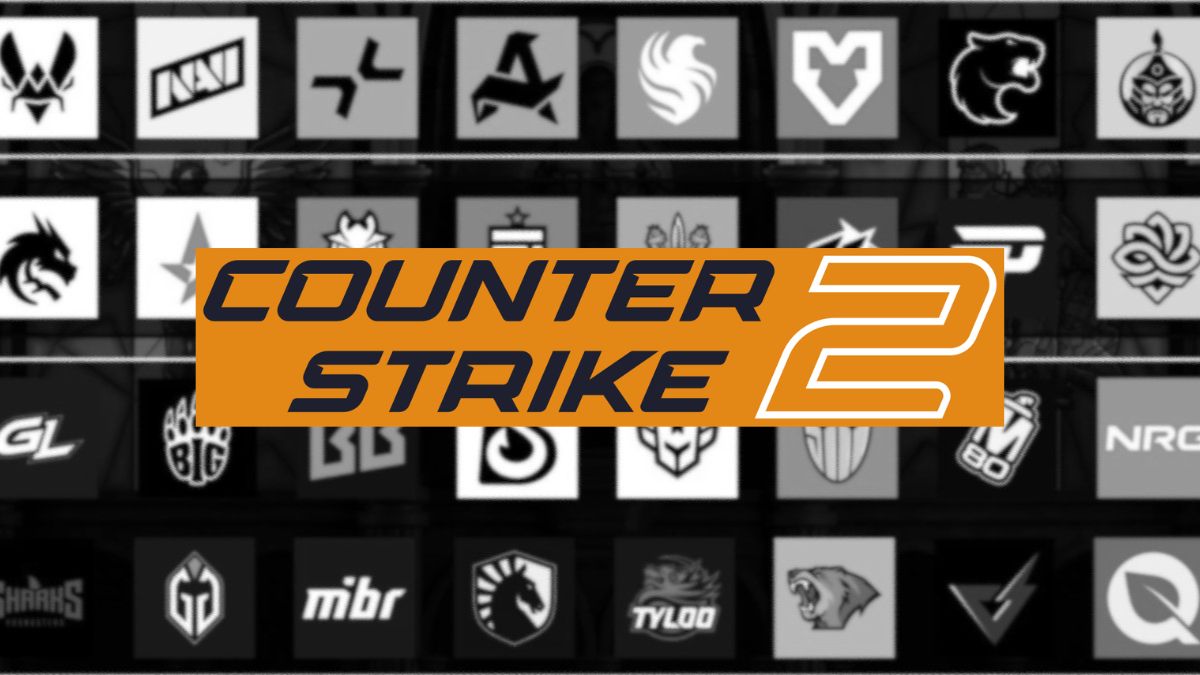
The financial liabilities vary according to the market scope and reach of each respective publisher. Among the prominent esports-related companies targeted, Tencent, behind titles like PUBG Mobile, had a BRL 50 million (USD 9.81 million) fine. EA, responsible for Apex Legends and EA FC faces a BRL 20 million (USD 3.92 million) penalty. Activision Blizzard (Call of Duty, Overwatch) was fined BRL 18 million (USD 3,5 million). Riot Games (League of Legends and more) and Garena (Free Fire) were fined BRL 15 million (USD 2.94 million) each, while Valve (Counter-Strike 2, Dota 2) and Ubisoft (Rainbow Six Siege) were hit with a BRL 10 million (USD 1.96 million) fine. Konami (eFootball) must pay BRL 8 million (USD 1.57 million).
Marketplace distribution giants Apple and Microsoft face the highest individual penalties at BRL 50 million (USD 9.81 million) each, followed by Google and Sony at BRL 40 million (USD 7.84 million) each. The court ruled that these entities knowingly operated and hosted application structures dependent on opaque consumer spending patterns that mirror traditional gambling formats.
The Brazilian judiciary found that these randomized monetisation frameworks violated the country’s 1990 Child and Adolescent Statute (ECA) regarding abusive commercial marketing, a framework that has been explicitly consolidated for digital environments under the newly enacted ECA Digital (Law nº 15.211/25) as of March 2026.
The decision remains subject to appeal by the affected companies. While other developers remained silent about the guidelines implemented in March, Riot Games had publicised strict safeguards in face of the ECA Digital implementation, raising age ratings and verification mechanisms for League of Legends, Teamfight Tactics, Wild Rift, 2XKO, and Legends of Runeterra to 18+. However, according to a report by Brazilian outlet Mais Esports, the sentence is connected to a process running since 2021 and therefore disconnected to the actions taken in 2026. [UPDATED]
Riot Games responded to inquiries from The Esports Radar regarding a potential appeal by saying that there is “no additional information on the case”.

While the total BRL 298 million sum will be directed to the Federal District’s Child and Adolescent Rights Fund following the exhaustion of all corporate appeals, the rulings impose immediate technical mandates on local operations. Moving forward, publishers must display clear warnings about the random nature of microtransactions, publish the exact statistical probabilities for every item drop, and maintain verifiable gatekeeping tools to prevent underage users from buying randomized crates.
This regulatory wave in Brazil mirrors a broader pattern of increasing international litigation targeting the underlying mechanics of modern digital gaming. Notably, Valve is concurrently facing legal accusations in New York, United States, for its loot box practices.
Editor’s note: This story was updated after facts reported by Mais Esports came to light.

Follow The Esports Radar on social media: