

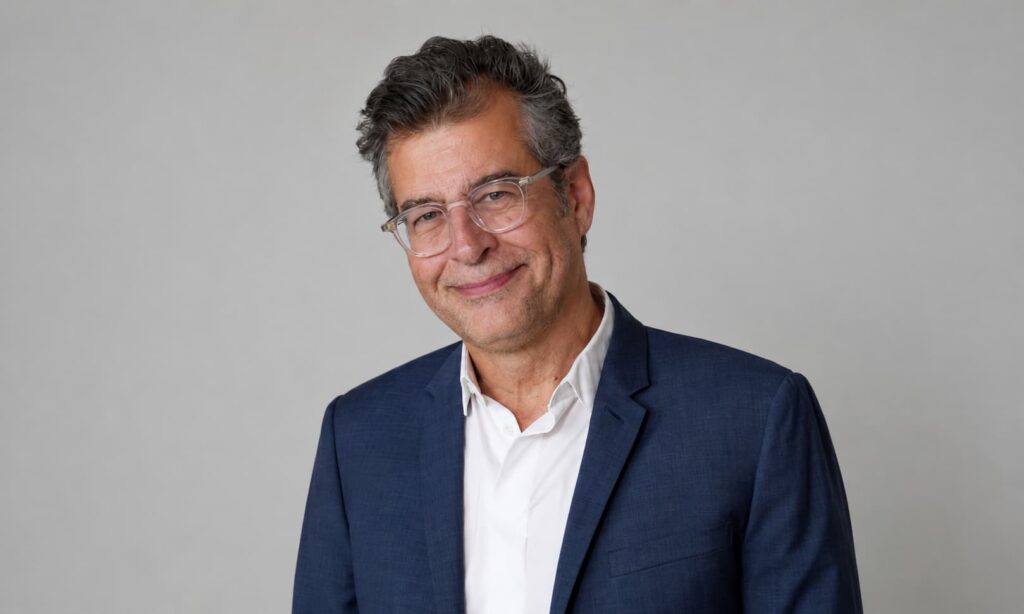


Bertrand Amar, Founder of French tournament organiser N.E.O., explained how esports events are typically put together and the harsh financial reality event organisers deal with behind the scenes.
Around three months ago, Bertrand Amar announced the launch of N.E.O. (NEW ESPORTS ORG.) alongside Matthieu Dallon. The company is behind several well-known international esports tournaments including the women’s League of Legends Game Changers (LGC): Rising, the EVA Pro League, and international Rocket League operations along with BLAST.
In an interview with French business magazine Challenges, Amar said that running an esports competition for a year usually costs somewhere between €200,000 and €300,000. But for the biggest events, the bill can shoot up to €2 million or even €3 million.
Amar explained that organising an esports event starts with securing trust from game publishers or international rights holders. Once the company receives the licence to operate a competition, the next steps include attracting top teams, signing partnerships, hiring commentators and production crews, and building high-quality broadcasts and graphics packages.
The final step is finding sponsors and partners that can financially support the event. According to Amar, this is where esports faces its biggest challenge compared to traditional sports.
He said football clubs in France’s Ligue 1 earn money through stadium ticket sales and broadcasting rights. Most esports teams, however, do not have regular ticketing income because many competitions are played online. Media rights are also still a relatively small revenue stream for esports, largely because tournaments are traditionally broadcast for free on platforms like Twitch, YouTube and Kick. Despite this, Amar believes broadcasting rights will become more important in the future.

That said, there are early signs that this could start changing. In recent months, a handful of entertainment and streaming platforms have started signing exclusive esports broadcast deals to attract younger audiences. Last year, Disney+ secured the exclusive global rights to stream the League of Legends KeSPA Cup, making it the first time the event was picked up by a major international streaming platform. More recently, Warner Bros. Games and Evo (Evolution Championship Series) announced a partnership to stream the 2026 Evo circuit live on HBO Max and Warner Play in LATAM.
Amar also mentioned that N.E.O. is already in discussions with broadcasters interested in buying esports rights to reach younger audiences. Until then, sponsorships remain the main source of revenue for esports competitions.
Amar’s comments line up with what others in the esports industry have been saying recently about just how difficult and expensive it is to keep major tournaments running. Around a month ago, Sebastian Grydholt, executive producer at BLAST, also spoke about the high costs and complexity involved in organising esports events, especially in Dota 2. Much like Amar, Grydholt pointed to rising production costs, operational challenges, and the industry’s growing need for stronger long-term revenue sources such as media rights and sponsorships.

Follow The Esports Radar on social media: