





Japan has long been seen as one of the trickiest markets for international esports organisations to crack due to a competitive landscape already dominated by well-established local esports clubs. However, that does not hold back western teams like Team Vitality from attempting to break through and expand into the country.
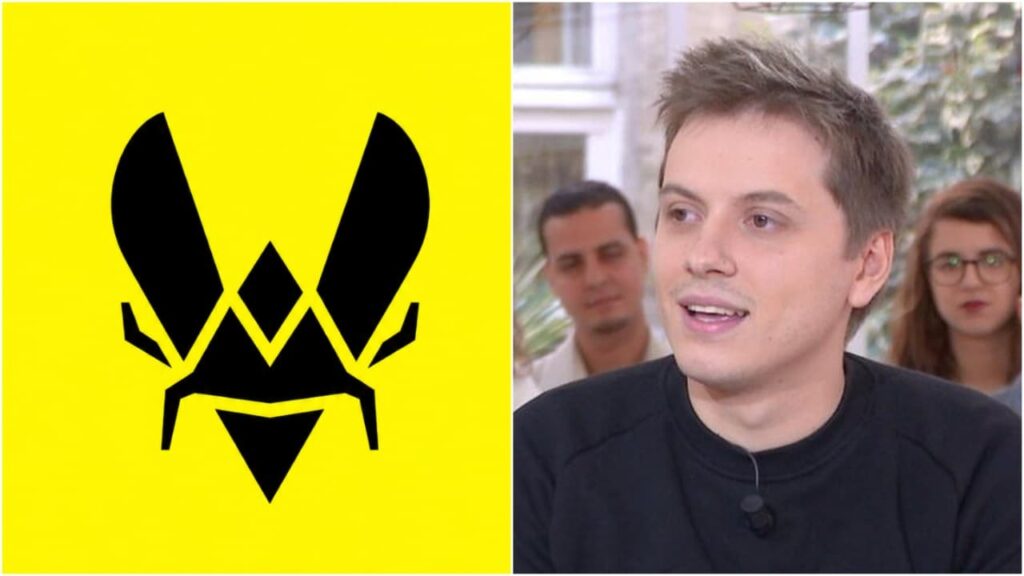
In a recent interview with media outlet Nikkei xTREND, Team Vitality CEO Fabien “neo“ Devide, the Esports Leader of the year at the Esports Leaders Honours 2025-26, was asked how the club plans to grow beyond Europe and what that means for its approach to Japan specifically.
Devide explained that Japan lacks the large public events western teams rely on to market themselves and connect with fans, making a full launch difficult for now. For that reason, Vitality’s main hubs in the Asia-Pacific region are currently China and Singapore instead.
However, the club has already done two moves towards the country: running social media accounts in Japanese and signing Shoji “Fenritti“ Sho, a Japanese fighting games player. Devide described these as small first steps rather than a full entry into the market.
Rather than setting up shop on its own, Vitality is focused on getting to know Japanese esports organisations and looking for ways to work together. Devide pointed out that Japan already has clubs with strong track records and dedicated fan bases and said Vitality wants to build closer ties with them over time.
He was clear that Vitality does not intend to enter the market and tell local clubs how things should be done. Instead, he said the plan is to approach the market with humility, learn how it works, and partner with organisations that have already been active there for years. Only after that, he said, might Vitality look at adding something of its own, which is a second stage that comes after an initial period of learning and small steps.

Looking further ahead, Devide said he would eventually like Vitality to have an office in Japan. While Tokyo is an obvious choice, he mentioned a personal preference for Osaka and added that Hiroshima would also be a good option given how much he likes the city.
Team Vitality isn’t the only international esports organisation eyeing expansion into Japan. G2 Esports has taken a different approach, leaning into hyper-localised content and pop-culture partnerships. The club worked with Japanese art director Runbel and KISAI Entertainment on “Red Aura,” a 40-episode webcomic made in the shonen manga style, and has also run collaborations tied to franchises like One Piece. Tapping into the local VALORANT fanbase is also part of the strategy, according to a recent interview of CEO Alban Dechelotte with The Esports Radar.
Similar to Team Vitality’s approach, Team Liquid entered the Japanese market earlier by signing Street Fighter players and launching a dedicated Japanese social media account. Earlier this week, the organisation also signed a sales agency agreement with ASK Corporation to handle official merchandise sales in Japan.