

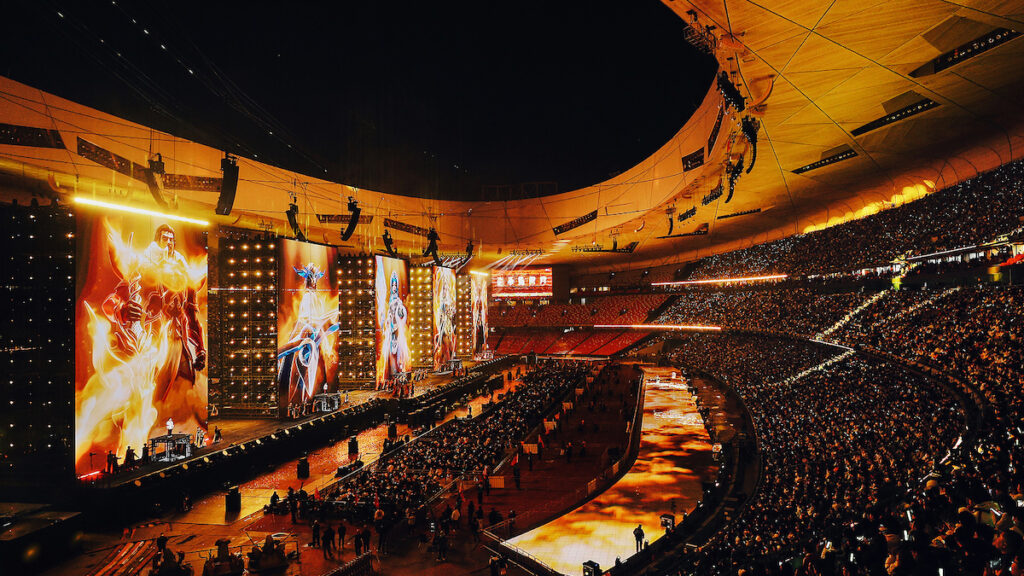


Mobile esports are already immensely successful in regions like Southeast Asia and China. For instance, MOONTON Games‘ Mobile Legends: Bang Bang (MLBB) is incredibly popular in countries like Malaysia and Philippines, while Honor of Kings in China secured a Guinness World Record in 2025 for the largest attendance at an esports event.
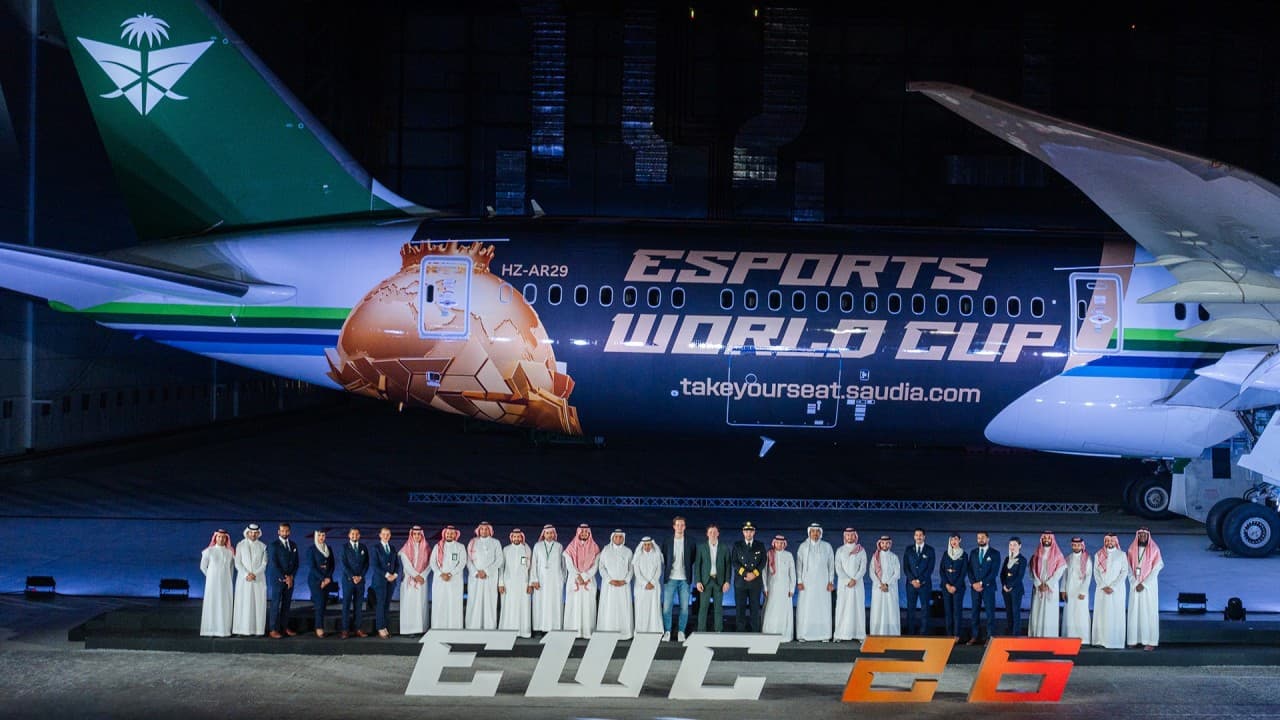
However, mobile gaming does not enjoy the same prestigious viewership numbers in the West. Even though cross-title, cross-regional initiatives like the Esports World Cup (EWC) demonstrate the sheer strength of mobile audiences, these esports scenes haven’t truly caught on in Europe and North America.
In the West, Brazil and Latin America have sustained a decent esports framework for PUBG Mobile and a steady foundation for Free Fire for a long time, for example. That said, Brazil and LATAM exist in a very different economic and demographic context compared to Europe and North America, approaching the Southeast Asian economic reality while more influenced by Western culture.
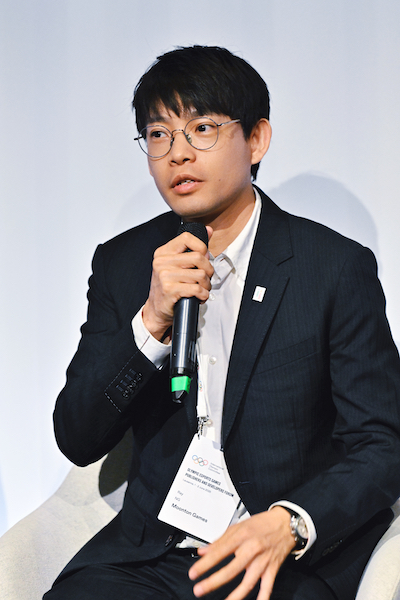
The prestige and audience sizes for MLBB, for example, are so massive in the Eastern market that while interviewing Ray Ng, Head of Esports Ecosystems at MOONTON Games, a thought struck me: are we being self-centred? Is expansion to the West even necessary? With such a solid foundation in Asia, why would these publishers spend energy and resources targeting a market that clearly did not matter when it comes to achieving the status of some of the most-watched esports titles in the world?
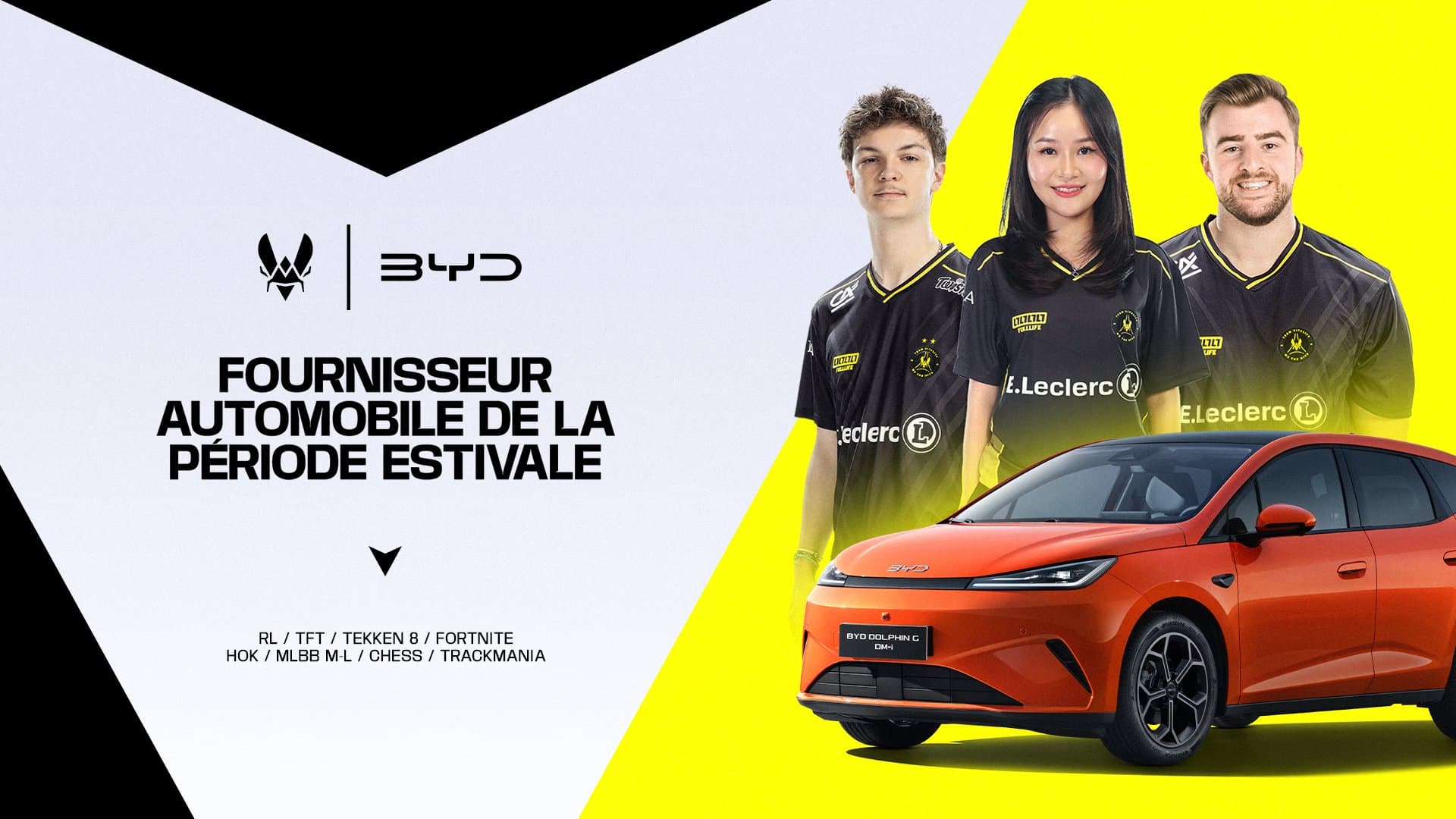
The answer was yes—the West does matter. So, it wasn’t just vanity making us think we are important (phew!). However, to tap into that potential, Western organisations initially needed to go where the mobile market was already hot. Take Team Vitality, for example, which acquired Bigetron Esports a year ago and established mobile-focused operations in Jakarta, Indonesia. For them, it made more sense to expand there than to run a mobile division in Europe. Plus, it was highly convenient for expanding their global footprint and supporter base.
Other examples are everywhere. Team Liquid, FaZe Clan, and NIP all invested in mobile esports operations abroad. While some preferred to enter the more westernised, culturally familiar Brazilian market to dip their toes into mobile, it clearly isn’t the same as embedding themselves into the core Southeast Asian pillar.

The Tide is Turning
Perhaps going that far to establish a relevant mobile presence is no longer necessary. Why? Because mobile gaming is making solid moves coming to the West.
Esports organisation G2 recently secured a partnership with PUBG Mobile Esports to accelerate the competitive growth of mobile gaming across Western Europe. The overarching objective is to bridge the market gap between Western mobile engagement and the massive ecosystems observed in Asian markets.
This development highlights a critical push by major mobile publishers into historically PC- and console-centric Western territories. PUBG Mobile isn’t the only title making moves; MOONTON Games recently secured development partnerships with PGL and SURGE in Europe and NODWIN Gaming for the Americas to strengthen its MLBB esports ecosystem across those regions.
Let’s be clear: this is not the first time MLBB and PUBG Mobile have tried to conquer the West. However, previous efforts between 2020 and 2023 failed to explode. Instead, they shrank alongside the “Esports Winter” and the end of the COVID-19 lockdown, which even impacted the massive success Free Fire and the Brazilian Free Fire League (LBFF) once achieved in Brazil (though other factors were involved there, which we will explore at a later analysis).
This time, lessons from the past can be applied. More importantly, we are operating in a context of much greater global integration, with initiatives like the EWC and the Esports Nations Cup (ENC) uniting multiple scenes and organisations. We have seen this push manifest through the formation of bodies like USA Esports and the Brazilian Alliance of Esports. We may soon see it also reshape specific competitive scenes, especially those with a large share in Esports Foundation-organised competitions such as PUBG Mobile and MLBB.
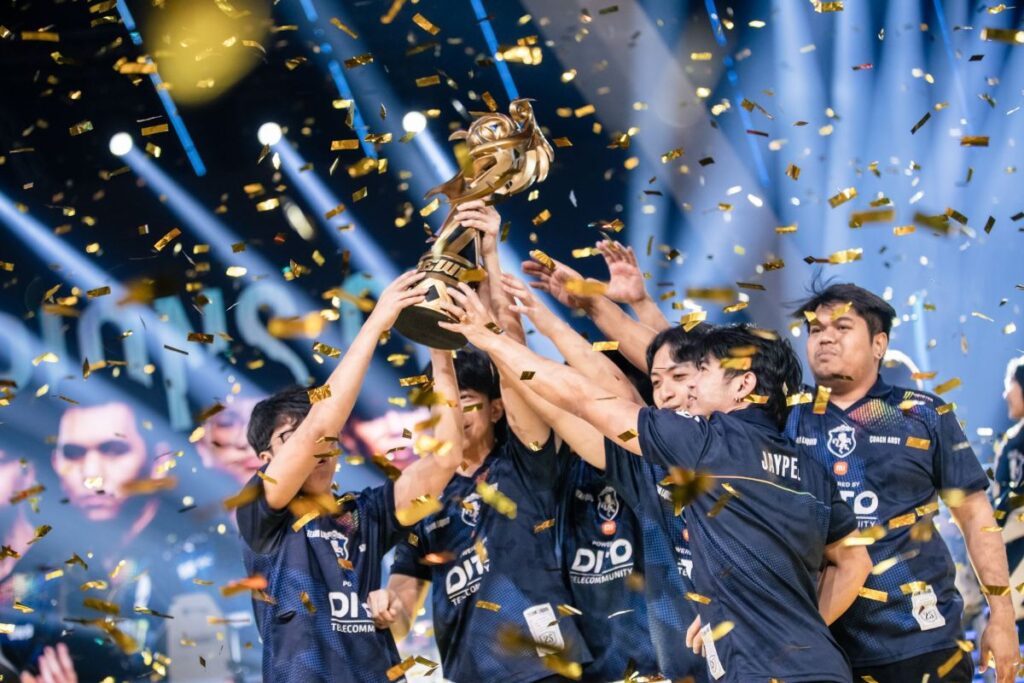
In a recent conversation with The Esports Radar, data and infrastructure provider Runestone Managing Director Shawn Clarke shared an optimistic view of MLBB’s future in the West. Runestone‘s optimism comes with tangible action, with support for SURGE and NODWIN’s international expansion efforts for the title’s competitive scene.
And the path is open for this momentum to be carried on: MOONTON Games has formalised a framework with the Esports Integrity Commission (ESIC) to pave the way for third-party tournament organisers to invest in the scene. Also, it is not only Europe and the Americas that expansion pushes are aiming for: MOONTON has also been publicly calling attention to its moves in MENA and Turkey. Meanwhile, esports leaders like Team Liquid co-CEO Steve Arhancet and Hans Jagnow, Director of Clubs, National Teams & Player Relations at the Esports Foundation, have openly recognised how vital it is to be present in the mobile esports landscape.
Not to say the Heat Map is completely on fire just yet, but someone is clearly trying to spark a blaze and you definitely need to keep your eyes on it.
This analysis was first published in the Heat Map newsletter on 18 June 2026. For early access to our analysis and more exclusive content, subscribe to The Esports Radar’s newsletters via this link.

Follow The Esports Radar on social media: