



Esports still hasn’t solved one of its biggest money problems: nobody pays to watch it. That’s the perspective ESL FACEIT Group Esports President Sebastian Weishaar has shared in a recent interview with French outlet e.sport.fr.
In the interview, Weishaar said he’s generally optimistic about esports as an industry but pointed to one structural issue that hasn’t gone away: how little money comes from broadcasting matches.
In traditional sports, TV and streaming rights are a major source of income. Weishaar put the number at roughly 75% of total revenue. However, esports looks nothing like that, as almost every match is streamed for free on platforms like Twitch and YouTube, and that free-to-watch model brings in very little money in return.
He was direct about where that leaves the industry long-term, saying he doesn’t believe esports can be sustainably profitable and prosperous going forward unless this issue is resolved in some way.
That doesn’t mean Weishaar wants esports to disappear behind a paywall tomorrow. He was clear that a hard, overnight switch would backfire, since audiences have grown up expecting to watch for free. Instead, he thinks the fix is building optional paid extra perks that are good enough for fans to choose to pay for, even if it’s just a few Euros a month, while the core viewing experience likely stays free.
The money problem isn’t unique to ESL FACEIT Group only. Bertrand Amar, founder of French tournament organiser N.E.O., has also described the financial reality event organisers face behind the scenes.
According to Amar, tournament organisers, much like esports clubs, lean heavily on sponsorships and partnership deals just to keep operating. Ticket sales, a reliable income source for traditional sports venues, barely factor in for most esports competitions, since so many events are played entirely online rather than in front of a paying crowd.
Media rights, the same revenue stream Weishaar flagged, remain a minor part of the picture for organisers too, largely for the same reason: tournaments are traditionally given away free on Twitch, YouTube, and Kick. Even so, Amar said he expects broadcasting rights to grow into a bigger revenue source over time.
Surprisingly, a handful of recent deals suggest that shift may already be starting, as entertainment and streaming platforms look to esports to reach younger audiences.
Last year, Disney+ picked up exclusive global streaming rights for the League of Legends KeSPA Cup, the first time the tournament had landed on a major international streaming platform. More recently, Warner Bros. Games and the Evolution Championship Series (Evo) also struck a partnership to bring the 2026 Evo circuit to HBO Max and Warner Play in Latin America.
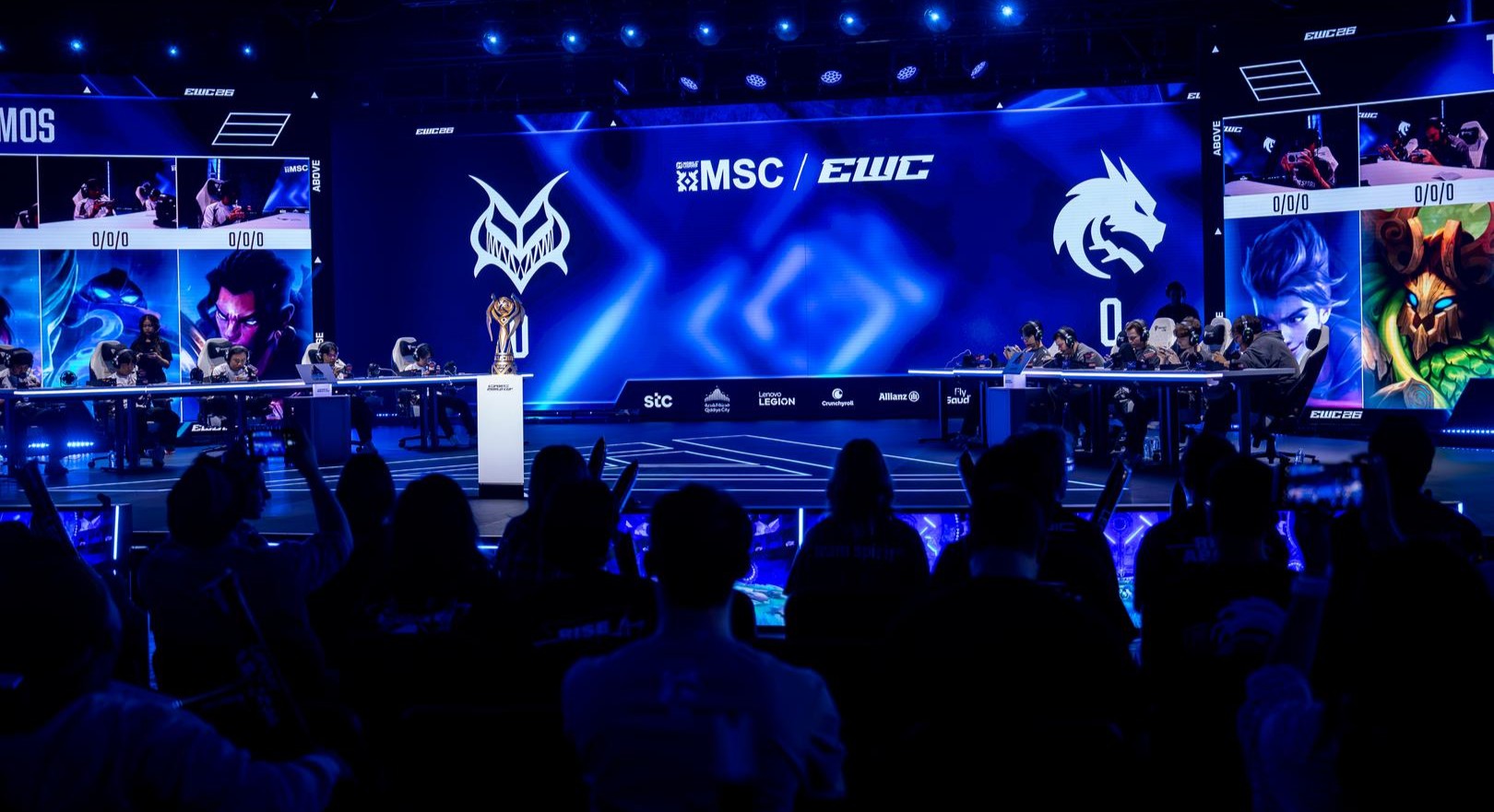
The Esports World Cup 2026 has taken a different approach by splitting its media rights by region, language, and format rather than selling a single global package.
For example, France Télévisions airs a daily highlights show called La Minute EWC, OTP (One Trick Production) has secured the French live broadcast rights for major titles and Naver‘s CHZZK holds the exclusive Korean-language streaming rights to all 25 Esports World Cup titles this year.
These deals are narrower than traditional broadcast rights but they represent some of the clearest steps yet toward the kind of media-rights revenue that traditional sports have relied on.

Follow The Esports Radar on social media: