



As many Chinese companies, from gaming to automotive, increasingly look beyond their domestic market, esports is becoming an attractive route into international audiences. However, securing their investment requires Western organisations to understand what these brands actually expect from a partnership.
Tapping the esports industry, car manufacturers BYD and OMODA engaged the western VALORANT market through deals with Team Vitality and VALORANT Esports in EMEA respectively. As for Chinese gaming peripheral manufacturer ATK Gear, international expansion has involved building relationships with professional esports organisations, players and tournament operators, using those partnerships to establish credibility and understand local gaming communities.
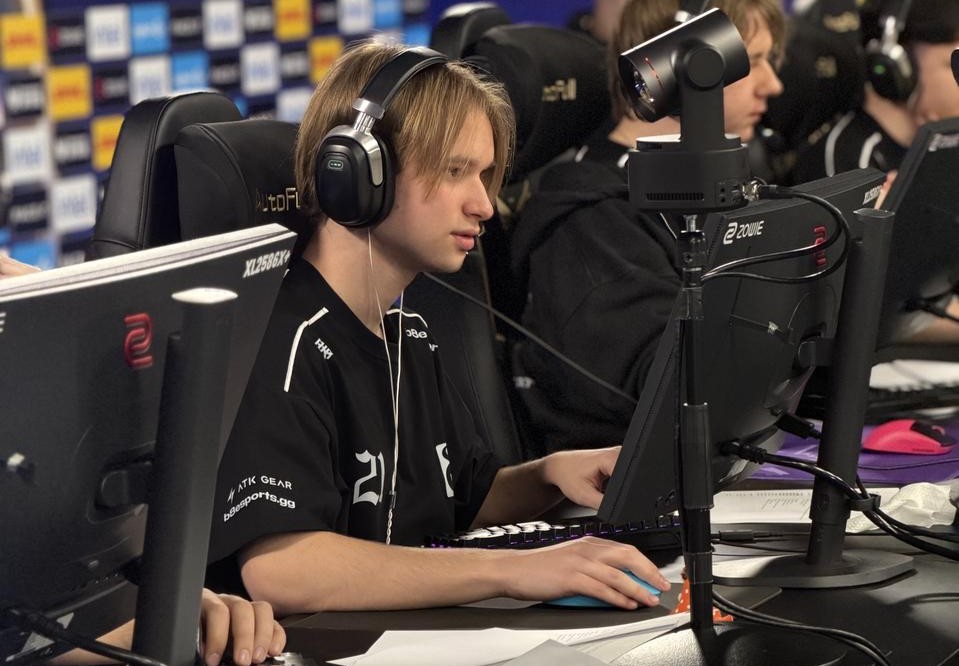
The company has already established a presence in VALORANT through partnerships with organisations such as BBL Esports and LEVIATÁN, as well as an endorsement deal with Brazilian player Erick “aspas” Santos. More recently, ATK has expanded into Counter-Strike 2 (CS2), partnering with tournament operator StarLadder and Ukrainian organisation B8 Esports, before joining the HLTV Awards 2026 as its Official Peripheral Partner.
These moves are part of a broader international strategy, but they also offer an opportunity to understand what Chinese brands are looking for when entering Western esports markets.
Speaking to The Esports Radar, ATK Gear CEO Chen Diandou shared his perspective on the company’s expansion, the value of esports partnerships, and what Western organisations should consider when approaching Chinese companies for commercial opportunities.
His message is relatively straightforward: a large audience and impressive exposure figures might open the door, but they are rarely enough to build a successful partnership.
Understanding the brand perspective
Before ATK entered the gaming peripheral market, Chen had already developed an understanding of gaming audiences through Game Dynamic, a gaming media platform he founded that accumulated millions of followers around titles such as Overwatch.
That experience helped shape ATK’s approach to product development, which Chen describes as being centred on understanding players’ needs, responding quickly and continuously improving its products.
The company launched its ATK68 keyboard in 2023, capitalising on the growing magnetic switch keyboard market in China. It subsequently invested in proprietary keyboard and gaming mouse technologies, gradually earning recognition among everyday consumers and professional players.
However, taking products developed for the Chinese market abroad requires more than simply making them available to international customers.
According to Chen, differences in gaming habits, hand sizes, usage preferences and consumer expectations must be considered when entering new territories. Localisation, therefore, is not simply about translating marketing materials or opening international distribution channels, but also about adapting products to the people expected to use them.
China’s manufacturing infrastructure provides ATK with an advantage in this process. The city of Shenzhen and the broader Pearl River Delta region offer an integrated electronics supply chain, allowing the company to coordinate product design, component sourcing, manufacturing, prototyping and testing efficiently.
Chen believes that combining these manufacturing capabilities with in-house research and development enables ATK to respond quickly to consumer feedback while maintaining competitive product quality.
This is an important part of understanding the company’s international ambitions: ATK is not simply looking to sell its products overseas, but to develop a globally recognised brand that can adapt to different markets, and esports has a role to play in making that transition possible.
What Chinese brands actually expect from Western partners
Understanding the commercial objectives is one part of the equation. Delivering on them requires a different set of capabilities, particularly when a company is entering a market where it has limited local knowledge.
When asked what ATK needs most from Western esports organisations, creators, platforms and leagues, Chen’s answer was revealing: authentic local insights, rather than simply access to large audiences.
The assessment has also led the company to bring international collaborators to its workforce, including gaming and esports marketing specialist Johannes Preis as its Global Esports Lead. For a company entering an unfamiliar market, this knowledge can help avoid cultural missteps and enhance the effectiveness of its marketing activities.
For Chen, local partners understand the language, preferences and cultural dynamics of their communities. They also have a better understanding of what gaming peripheral consumers care about, which product features attract attention and what types of content are likely to resonate.
Chen highlighted the importance of credible content collaboration. Instead of relying on scripted promotional messages, ATK values hands-on product testing, honest reviews and long-term user experiences from creators whom audiences already trust. This is particularly relevant for gaming peripherals, where product reputation and word of mouth can significantly influence purchasing decisions.
Professional players and esports organisations can also contribute beyond their marketing value. Their experience with competitive products can provide useful feedback, helping manufacturers understand how their hardware performs in demanding gaming environments.
However, Chen also stressed that local knowledge must be accompanied by reliable commercial execution. Clear schedules, verifiable performance data, suitable payment arrangements and compliance procedures are essential when working across borders. Content approval and localised communication can also become practical challenges if they are not addressed early in the process.
Ultimately, ATK is looking for partners who can act as a bridge between the brand and the local community, helping an unfamiliar Chinese company become a trusted participant in the regional esports ecosystem.
Why organisations should rethink their pitches
Even though objectives are clear for ATK, one of the most interesting observations Chen shared concerns how Western esports organisations approach Chinese brands.
In his experience, teams still approach potential partners primarily from the perspective of selling sponsorship assets. “Many partnership proposals still revolve around standardised sponsorship packages, without a deep understanding of the brand’s product category, target markets, or marketing strategy and timing,” he explained.
For direct-to-consumer (DTC) companies such as ATK, this is a particularly important aspect. Exposure is useful, but the commercial objective is to turn that exposure into product awareness, consumer trust and ultimately purchase intent.
Chen identifies three essential elements for successful cross-border partnerships: audience alignment, a clear path to conversion, and long-term collaboration.
The first requires esports organisations to demonstrate that their audience actually overlaps with the brand’s intended consumers. A tournament might attract millions of viewers, but those figures alone do not explain whether its audience is interested in gaming peripherals, whether it has purchasing power, or whether it is located in a market the company is actively targeting.
The second is about demonstrating what happens after an audience sees the brand. Chen points to content creation, professional player endorsements and coordinated social media campaigns as ways to turn engagement into meaningful brand influence.
The third concerns the relationship itself. Rather than treating sponsorship as a one-off transaction, both parties should work towards establishing the brand within local gaming communities, gradually building awareness and trust.
“A truly valuable partnership is not just about making a brand visible, it’s about making that brand recognised, trusted, and respected,” Chen said.
For esports organisations, this means that a stronger commercial proposal should explain not only what a partner receives, but how the organisation can help it achieve its business objectives.
ATK’s strategy also provides an example of how brands can use esports personalities and established organisations to enter specific markets. South America was initially selected as an initial territory for international expansion because of the company’s interest in aspas and his performances in professional VALORANT, alongside his influence among FPS players worldwide. That made ATK first establish a relationship with LEVIATÁN in 2024 before collaborating directly with the Brazilian player, using these partnerships to build its presence in the region.
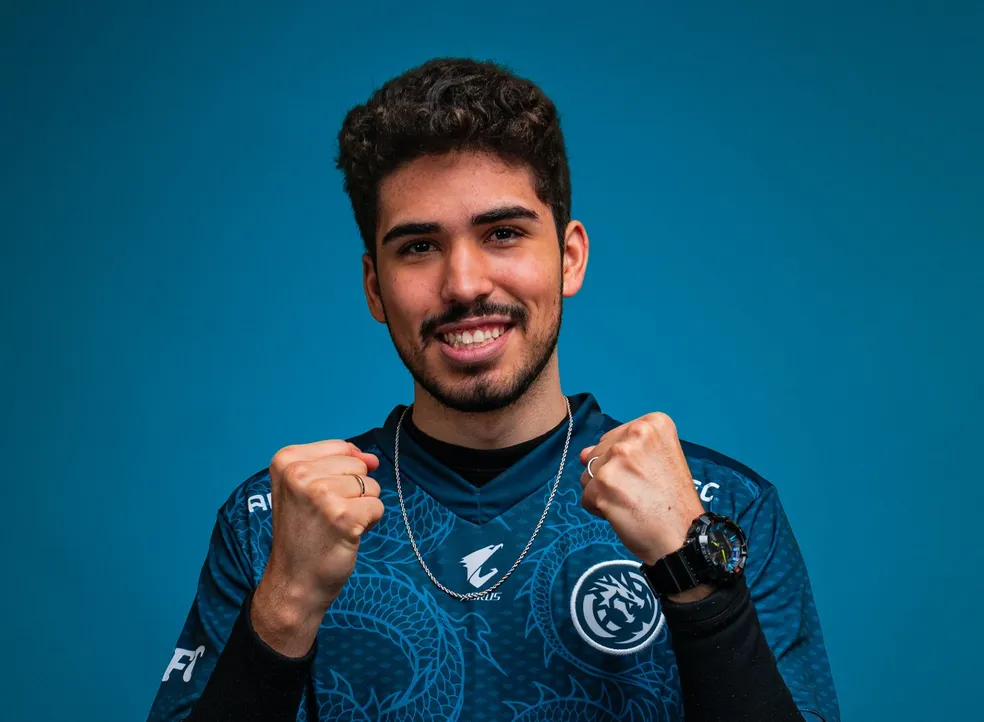
The company is now looking beyond South America, identifying Europe, Southeast Asia, Japan and South Korea as markets with developed esports ecosystems that offer further opportunities. It also intends to increase its presence in CS2, which Chen identifies as a title with significant international influence, while continuing to explore partnerships with professional teams and leading players.
Beyond sponsorship: building a global brand
Chan also addressed the company’s next steps. In the short term, the company intends to strengthen its position in China’s mid-to-high-end gaming peripherals market, continue working with professional esports players and establish its international presence.
Over the next five years, the CEO expects the company to prioritise core technological development, differentiate itself from competitors and build a more comprehensive gaming desktop product ecosystem, alongside deeper localisation in overseas markets.
Its longer-term ambition is to become a globally influential esports brand, built around technological innovation, international expansion and participation in the wider esports ecosystem.
The company’s philosophy, as Chen puts it, is “High Performance for Everyone”, making flagship-level equipment accessible to a wider audience.
That ambition explains why ATK views international esports partnerships not merely as launch-related marketing expenses, but as a strategic way to build consumer trust, understand new audiences, and establish a global identity. For Western esports organisations, capturing this opportunity requires adapting their commercial approach. Ultimately, organisations that act as genuine local partners in international growth rather than simple media channels may be more successful in engaging brands looking to expand beyond China.