



FISSURE has provided The Esports Radar with a statement from CEO Nikolay Vesnin acknowledging that it still owes prize money from its Counter-Strike 2 (CS2) and Dota 2 tournaments. The statement sets out what the company says went wrong in 2025 and how it plans to repay teams and players.
Questions about FISSURE’s financial health and outstanding debts have circulated across the esports industry since last year. The organiser lists the matter on its public disclosure page, acknowledging outstanding debts with 15 organisations including Team Falcons, Aurora, FURIA, Team Liquid, The MongolZ, and G2.
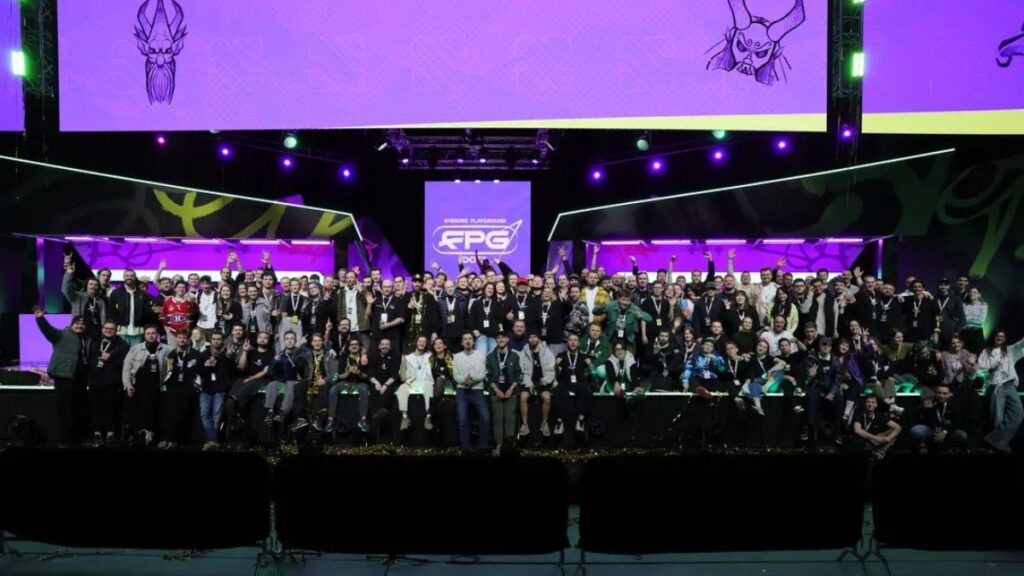
The statement follows the announcement of FISSURE Playground 4 CS, a CS2 LAN tournament scheduled for August 18–30, 2027, with a prize pool of $1,250,000. FISSURE has also published a Dota 2 calendar for 2027 with six events.
The new projects drew questions from teams, players, journalists and fans about how FISSURE intends to meet its existing obligations. Vesnin addressed this directly. “I understand those questions, and I think they are fair,” he wrote. “I also want to apologise to the teams and players who are still waiting for their prize money.”
Vesnin said payments have been underway since the summer of 2026. The tournament FISSURE held in China this year allowed it to pay off around half of its CS2 debt. Before the October tournament, it launched a first wave of payments to some Dota 2 teams. FISSURE is also putting funds from other completed projects towards repayments.
He acknowledged this is not enough. “We now have a concrete financial plan that, if implemented, should allow us to carry out the next major phase of repayments as early as the first quarter of 2027,” he said. Vesnin added that he does not want to “announce unconfirmed amounts or present contract negotiations that are still ongoing as guaranteed incoming funds.”
FISSURE said it will agree a repayment schedule with each club individually. It will publicly report on the actual progress of payments in the first quarter of 2027.
What went wrong in 2025
Vesnin attributed the debt to “serious mistakes in our commercial and financial planning” in 2025. He explained that organisers must commit to tournaments and announce key details long before sponsorship and commercial contracts are signed, which leaves some expected income unbacked.
He pointed to three factors: A major agreement with a partner in the international English-speaking betting market that was expected but never signed, a failure to bring in enough partners from other sectors to diversify income, and a tournament at which FISSURE could not meet the participant lineup targets set out in a commercial agreement, resulting in financial losses.
Vesnin did not shift responsibility. “We knew how this market worked. We made the decisions, and we understood the risks,” he wrote, adding that responsibility “lies with the company’s leadership, including me personally.” He said FISSURE should have built a financial model that allowed it to meet its obligations to teams even if things went wrong. The statement also confirms that FISSURE had to lay off part of its staff at the end of 2025 as a result of the financial challenges faced.
Changes to the business model
Vesnin outlined four changes to tournament economics, starting with closer work with host cities, countries and local partners to reduce operating costs. Location choices, according to the CEO, will take into bigger consideration audience potential, ticket sales, production costs and the terms offered by hosts. Streamlined tournament spending and revised production processes and expanded commercial partnerships are also mentioned as new policies.
He said prize pools for new tournaments are now secured before events begin and “do not depend on the company’s current finances.”
On why FISSURE keeps announcing events while owing money, Vesnin said running tournaments is its core business and “halting operations now would significantly limit our ability to repay those debts.”
The statement also traces FISSURE’s history from 2013 with grassroots events in Russia, through tier-two online tournaments, and to work for international clients. Vesnin said the company grew without outside investment until 2022. It then entered a three-year partnership with BetBoom, which made possible its first coverage of The International, studios in Yerevan built in 2023, and a relocation to Serbia.
FISSURE’s promised Q1 2027 report will be the first public test of that plan. “I understand that people have less trust in our words today than they once did. That is exactly why I believe our progress should be judged by what we actually do,” Vesnin wrote, adding that the company will not “throw away thirteen years of work because of the mistakes we have made. We are correcting them, learning the right lessons and moving forward.”