

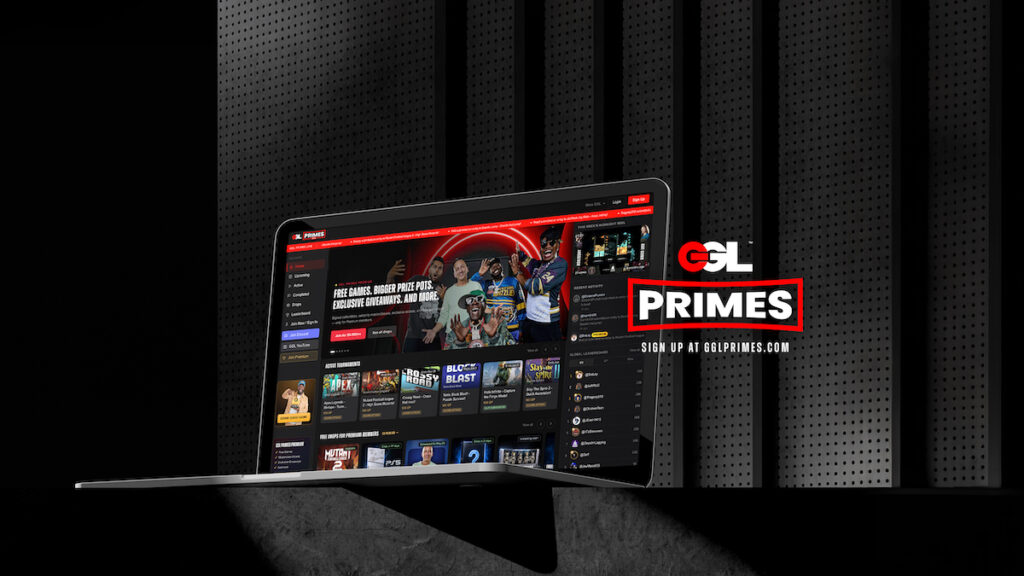


Global Gaming League (GGL) has launched GGL Primes, a competitive gaming platform designed to provide amateur players with a structured progression system that could ultimately see them drafted into the organisation’s celebrity-owned Major League teams.
The platform combines daily competitions, rankings, educational resources and community features with a tiered ecosystem that allows players to progress from the Primes League to the Minor League before becoming eligible for the GGL Draft.
According to the company, GGL Primes is intended to go beyond traditional tournament platforms by combining competitive gaming with player development, rewards and visibility opportunities.
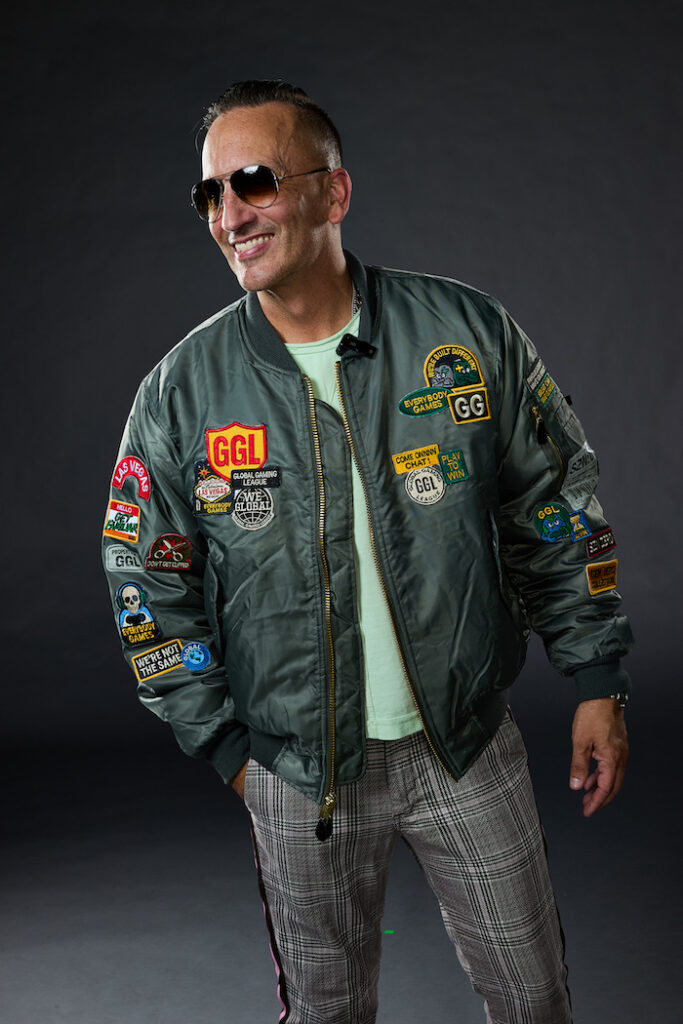
With a unique track record and skill set that perfectly positions him for the business he is building — having gone from a Grammy-nominated music producer to FaZe Clan VP of Business Development and Co-Founder of gaming lifestyle brand XSET — Clinton Sparks, Founder and CEO of Global Gaming League, sat down with The Esports Radar to provide a deeper look into the company’s strategy and how it plans to contribute to the wider esports ecosystem.
Also read:
- New Global Sport Conference returns to Riyadh with structural calendar shift
- Secretlab returns as Official Gaming Chair Partner for Esports World Cup 2026
- DreamHack renews Elgiganten partnership for five years
According to Sparks, GGL’s long-term ambition is to introduce competitive gaming to audiences beyond traditional esports fans by combining gaming with entertainment, music, celebrities and wider popular culture:
“The Global Gaming League will help esports grow by introducing competitive gaming to a more mainstream audience and pop culture community, by authentically incorporating people and things that resonate with them. If you want to grow past your target market, you must learn how to market to a new target.”
Sparks argued that competitive gaming has often remained within an “echo chamber”, despite gaming itself becoming one of the world’s largest entertainment industries.
“It is difficult to grow anything when you talk about the same thing to the same audience, the same way. Being an executive at two different esports organisations, I realised that despite gaming having the largest entertainment audience in the world, it was still disconnected from mainstream, pop culture, and the streets, yet people in these communities play video games.”
Rather than asking mainstream audiences to embrace esports directly, Sparks believes the industry should first connect through familiar cultural touchpoints. “We introduce gaming by delivering what culture already connects with. Celebrity, entertainment, drama, storylines, music, fashion, and competition.”
Players using the platform will be able to participate in daily tournaments across multiple titles, earn Skill Ratings and Global Points, qualify for the GGL Draft and compete for cash prizes and exclusive rewards. Premium members will also gain access to educational masterclasses, exclusive events, game keys, giveaways and merchandise.
“We built GGL Primes because we believe the next great gaming superstar could be anyone, from anywhere in the world. Gaming has become one of the largest entertainment categories on Earth, yet no platform has brought together competition, development, rewards, celebrity ownership, and a clear path to professional opportunity under one roof — until now. That’s exactly what we’re creating.”
Celebrity ownership has become one of GGL’s defining characteristics, with personalities from entertainment, music and sport leading teams within the league. Sparks suggested that placing professional players alongside celebrities could increase exposure for both groups, using examples such as professional players appearing on celebrity-owned teams and introducing fans from different communities to one another. For this, maintaining authenticity has been a priority when selecting participants.
“All of the celebrity team owners are either gamers themselves or excited about the gaming space. Everyone, to some degree, understands how massive the gaming industry is, they just never had a real path to have an authentic footprint in the gaming or esports world.”
He added that GGL aims to create an inclusive environment where traditional gaming audiences and newcomers can interact naturally: “GGL is the bridge between entertainment, esports, gaming, celebrity, and culture that can build international bridges, connect cultures, uplift underestimated communities, and close age gaps.”
Although GGL positions itself differently from traditional esports leagues, Sparks said the organisation intends to collaborate with established esports teams rather than compete against them.
“The goal here is to unite and uplift the entire industry. By merging pro players with talented casual players, along with celebrities and high-profile figures, we are introducing people to each other’s audiences.”
While GGL Primes includes a premium subscription offering, Sparks said the platform itself is free to join, with subscriptions providing access to additional benefits including masterclasses, exclusive live events, larger prize pools and giveaways.
Beyond subscriptions, he said GGL intends to generate revenue through more traditional sports league models, including sponsorships, media rights, merchandising, licensing, ticketing and content partnerships.
The company has previously announced partnerships with publishers including Activision Blizzard, Ubisoft, Electronic Arts, Bandai Namco, Capcom, Atari and The Tetris Company. Sparks confirmed GGL is looking to continue expanding its catalogue of supported titles while also pursuing relationships with additional game developers and brands.
However, he also highlighted a second objective for the platform beyond player development, this time addressing indie game developers:
“Our GGL Primes platform was built to solve two major problems. First, a place for gamers from around the world to compete, rise in the ranks, and become a breakout star. Second, a place for indie game developers to launch games, connect directly to a community, launch competitions and tournaments around their games, have access to data analytics, beta testing, and social content.”
“The GGL’s goal is to introduce game IP to new audiences, associate them with celebrities, and bring more awareness to these game titles,” he added. GGL is currently working with publishers including PM Studios and Halfbrick while continuing discussions with additional partners.
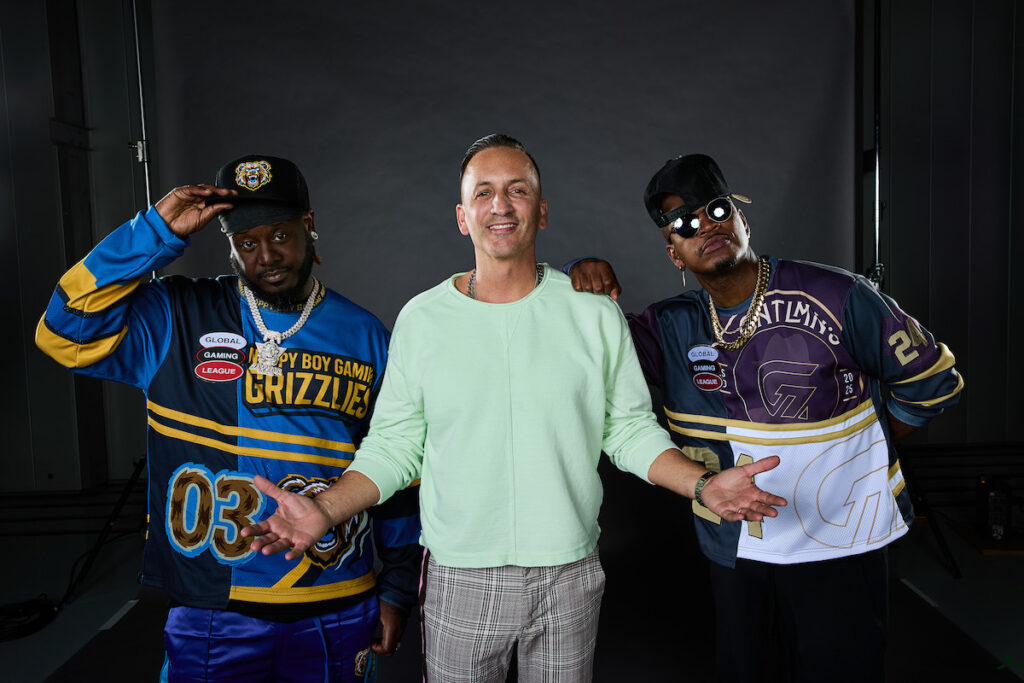
In April 2025, GGL raised $10 million in a funding round led by Solyco Capital. The league counts on the participation of artists like T-Pain, who is also a GGL Co-founder, Ne-Yo, and Howie Mandel.
“We are looking to partner with people, brands, and companies that truly care about gamers and our mission.”
Sparks’ strategy is not unfounded; other major players have also figured out how to integrate celebrities into their frameworks to drive the intersection of gaming with diverse parts of the wider entertainment industry. It is a core part of the Esports Foundation‘s effort to reach 3 billion gamers worldwide, as outlined by its CEO Ralf Reichert in an interview with The Esports Radar in 2025.
“Everybody games,” Sparks concludes. The industry surely hopes so!

Follow The Esports Radar on social media: