

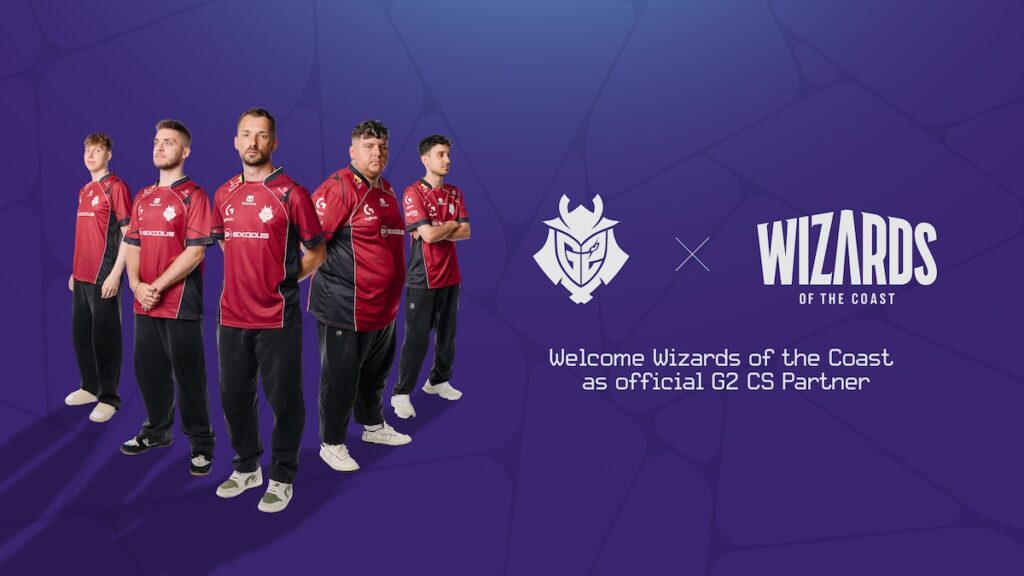


Beyond being a quite unique collaboration between major gaming brands, the partnership between G2 Esports and Wizards of the Coast (WotC) offers a fascinating case study. The deal begins with promotional coverage for WotC’s upcoming RPG Exodus, a story-driven sci-fi action game developed by WotC studio Archetype Entertainment, but it opens the door to a compelling theory: rather than just running standard video game marketing, Wizards may be taking early steps to safeguard its brand presence amidst the growing overlap between esports culture and trading card game (TCG) economies.
The agreement gets even more interesting when it comes to what happens after Exodus. Future versions of the jersey will feature other properties from Wizards of the Coast’s portfolio, including its flagship Magic: The Gathering (MTG). That puts one of the biggest names in the trading card game market directly into an esports environment at a time when the relationship between esports and TCGs is becoming increasingly crowded.
Just to make clear what we are talking about: structurally, esports aligns with high-level competitive circuits like the MTG Pro Tour, not the entire, wider TCG ecosystem. The true commercial comparison here lies between broader gaming and TCG card collecting, as both rely on active consumer spending rather than tournament viewership, sponsorship, etc.
Wizards does not need Counter-Strike to sell Magic cards. Magic has been doing that for decades and very successfully too. What the company does need to do is to ensure that its brands remain visible as more esports organisations, tournaments and publishers begin turning their own audiences and intellectual property into collectible card products.
The trading card business is no longer limited to the established TCG publishers and the games they have spent years building. Esports organisations have started experimenting with their own card products, using the history of their clubs, players and iconic moments as the foundation.
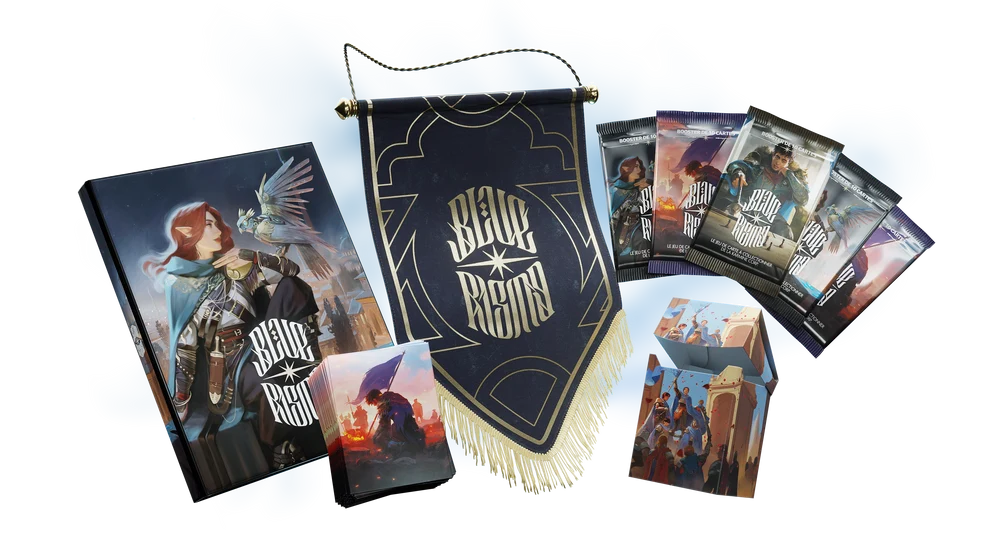
Gentle Mates, for example, has created a physical card game around its own identity. Karmine Corp has invested in Blue Rising, a tactical trading card game built around the organisation’s history, players and moments.
Riot Games‘ Riftbound takes the concept further. The League of Legends developer can connect a new TCG directly to one of the largest esports ecosystems in the world, while collaborations such as its premium collection with T1 provide a bridge between the game’s established IP and the identity of an esports organisation. The collection reportedly has the potential of generating more than $10m in gross revenue.
The Esports World Cup (EWC) has also entered the space through a multi-year partnership with digital card platform Kolex, launching an official trading card collection around the competition. Here, the product is not even tied to a single game. The event itself becomes the collectible.
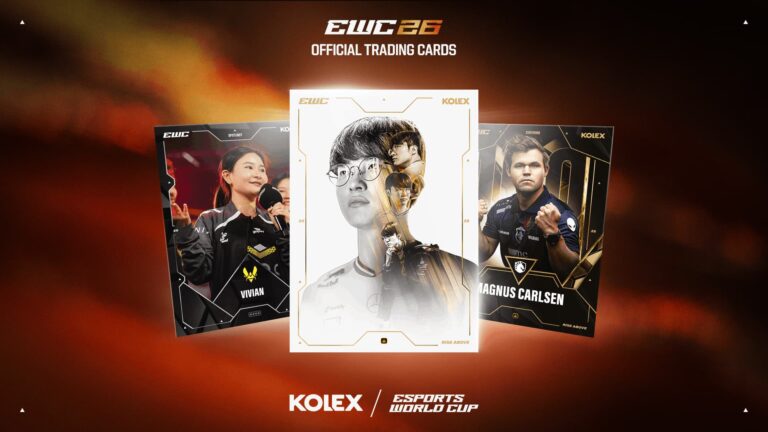
This overlap highlights a fundamental difference in how these two audiences monetise. Esports organisations historically struggle to generate revenue from their fanbases beyond digital engagement and basic merchandise. In contrast, TCG players routinely make high-value investments in physical products, single cards, and competitive event entries. With MTG alone generating over $500 million in a single quarter in 2026, the card game market demonstrates a level of per-capita spending that esports brands are eager to tap into.
And unlike a conventional competitor entering the TCG market, these new products can arrive with something that is particularly valuable: an existing community that already spends its time, attention and money around games. Will that put Magic in danger? No, the Magic community has been established for decades and maintains and nurtures its own core audience. However, the surroundings—and the future—may become blurry if WotC does not move to establish its presence in an industry that could be competing for the very same money from someone who would buy a TCG product. If you stop to think, a big competitor at the TCG scene, Pokémon, already counts on a natural footing in esports through its VGC tournaments.
That is why the G2 deal is more interesting than simply putting Exodus on a pro Counter-Strike team jersey; Wizards is placing its wider portfolio in front of an audience where gaming, fandom and competitive culture already overlap. The company can introduce Exodus today, but retain the ability to put Magic and other properties such as Dungeons & Dragons in the same space tomorrow.
It is a relatively low-risk way of making sure that, as esports organisations increasingly explore the TCG world, Wizards is not watching that market develop from the outside. Wizards may not even need to respond to that movement. However, it is important to ensure Magic remains part of the cultural conversation happening around competitive gaming.
The first jersey may say Exodus, but the more important message for Wizards is that its brands will be there while esports’ own card economies continue to grow.
This analysis was first published in the Heat Map newsletter on 13 August 2026. For early access to our analysis and more exclusive content, subscribe to The Esports Radar’s newsletters via this link.