

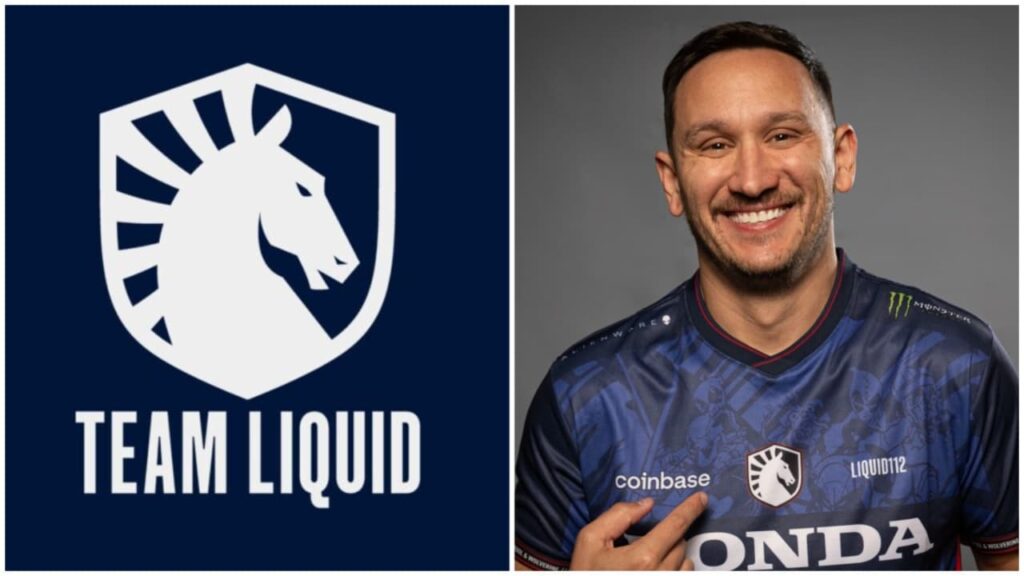


Team Liquid CO-CEO Steve Arhancet revealed that the esports organisation generated more than $60 million in revenue last year and has been profitable for the last three years.
Arhancet shared the figures during a panel discussion about esports economics, sustainability, and the path to profitability for esports organisations. During the discussion, he highlighted that Team Liquid’s business goes beyond just running esports teams: The company currently has around 300 employees, with many working in other parts of the business outside competitive gaming.
He explained that Team Liquid operates multiple business units, including a white-label agency (Liquid Media) and Liquipedia, the biggest esports wiki website in the world. According to Arhancet, these businesses help support Team Liquid financially and allow the organisation to spend more on esports operations and players.
He explained that many esports organisations failed during the industry downturn because they depended too heavily on venture capital funding, publisher revenue, merchandise sales, or sponsorship money without building stable businesses around them. Arhancet compared esports to other industries that went through investment hype cycles, where investors poured large amounts of money into the sector before later moving on to other trends. Once investment slowed down, esports organisations had to focus on becoming sustainable and profitable businesses.
He said Team Liquid’s approach was to find different ways to create value inside the gaming and esports ecosystem instead of relying only on team participation revenue from game publishers. A major part of that strategy involved building strong relationships with sponsors and delivering measurable results for brands.
Arhancet said the organisation focused on becoming a top-level gaming agency capable of providing marketing performance, return on investment, and clear business value for partners. He finally mentioned that when sponsors see real results, they are willing to continue partnerships and spend more money with organisations.
The strong revenue performance comes despite Team Liquid facing several challenges over the past year. In May 2025, the organisation lost its long-running sponsorship partnership with Honda following a player controversy. The organisation also reportedly laid off about 6% of its staff in September 2025, roughly 18–20 people out of more than 300 employees, mainly from its Brand, Marketing, and Content teams. However, the organisation quickly showed recovering signs by signing new sponsorship deals and expanding relationships with partners like Alienware, Blacklyte, Duelbits, and Zenni Optical.
When it comes to partnerships, Team Liquid already got off to a strong start in 2026. Back in February, the org teamed up with LTU Esports to help support collegiate esports programs. Then in March, Team Liquid dropped two new apparel collabs with big pop culture names, Demon Slayer and Marvel Rivals, aiming to bring in more revenue for the organisation.

Follow The Esports Radar on social media: