



Esports is step by step moving back into the physical world.
Over the past few weeks, two venue stories caught the industry’s attention: the development of the London Colosseum project and the long-delayed completion of the Invictus Gaming venue in China. On the surface, they both show physical spaces making headlines again. Underneath, they represent two entirely different eras of esports strategy.
The completion of the Invictus venue highlights exactly why the market has spent years questioning the sustainability of heavy infrastructure. It’s a legacy piece of an old investment cycle, conceived during the industry’s hyper-growth era. Even the project’s own investor openly admitted that the arena, which took six years to finish, was probably “lowest return-on-investment project” of his career.
History backs up that buyer’s remorse. We’ve seen legacy organisations like RNG in China collapse while anchored down by massive stadium commitments—and while their internal problems ran much deeper, crushing arena overhead certainly didn’t help. It’s exactly why Sam Turkbas from EA Sports noted last year that dedicated, single-use esports venues had evolved into major financial burdens.
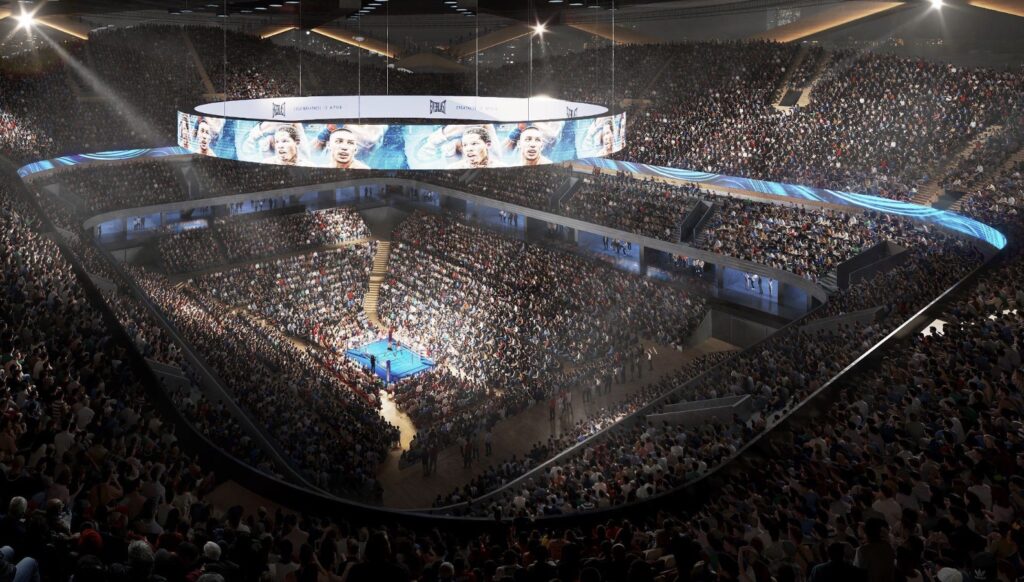
The difference now is flexibility, which is where the London Colosseum comes in. It isn’t an esports-exclusive facility, indeed it’s ‘sports first’ positioned as a state-of-the-art facility for basketball, with the NBA’s planned European league pending, signaling a much healthier approach to infrastructure. The industry has mostly moved past building isolated, capital-heavy and large scale “temples of esports,” shifting instead toward adaptable entertainment spaces that host gaming as just one pillar of a broader events strategy. This is not to say far smaller esports-ready and gaming spaces are falling short; on the contrary, both Friendly Fire and EVA (VR arenas) recorded expansions in the past months, the latter of which recently secured a massive €35 million fundraising round for its international expansion.
At the same time, publishers are recalibrating their live setups.

Riot Games indicated that some rounds of the 2027 League of Legends EMEA Championship (LEC) might move online, even while its Berlin studio stays active. It looks contradictory on the surface, but it’s actually a strategic play to figure out where live audiences offer the most value.
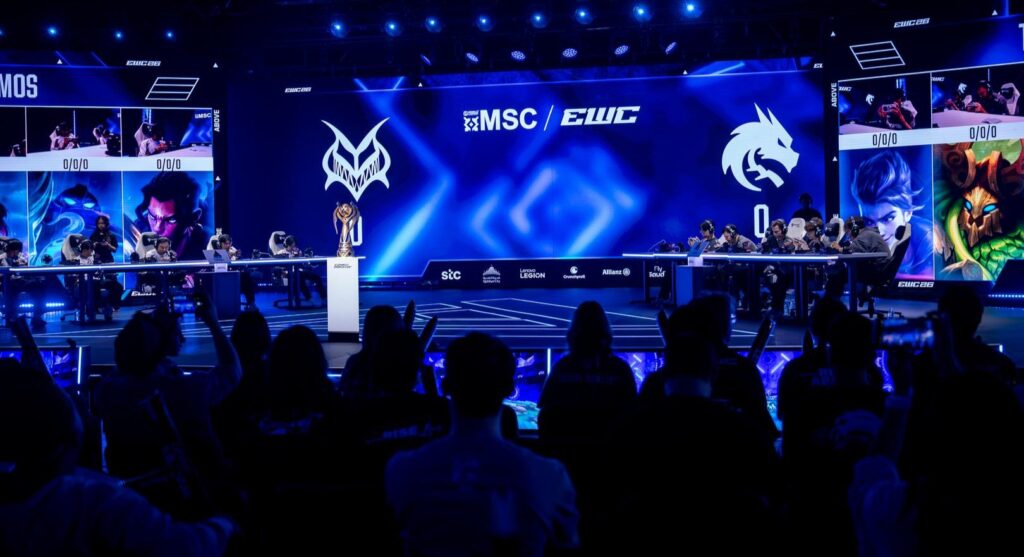
Because when Riot does go physical, it works. The LEC Roadtrip events in Spain and France brought back the high-energy atmospheres that remind people why live esports with crowds matters. In Europe, Karmine Corp remains the gold standard for fan-driven success—their arena in Évry-Courcouronnes is consistently packed for League of Legends and Rocket League events, serving as a physical extension of the team’s identity. This pairs with another major shift for 2027: the VALORANT Champions Tour (VCT) moving toward touring events across diverse global locations.
The industry is constantly moving towards finding its balance. For years, esports tried to centralise everything into permanent studios and fixed, controlled ecosystems. It was efficient, but somehow sterile, while events in different cities moved thousands, like with the League of Legends Champions Korea (LCK) Cup Finals event held in Hong Kong. Recent moves suggest the industry is rediscovering the power of the “must-see event”. Fans don’t just want matches anymore; they want an experience.
That matters commercially. Live events open up deeper opportunities for sponsorships, premium activations, hospitality, and local engagement that digital broadcasts can’t offer. Ticket sales are only a piece of the puzzle, the real value lies in the emotional connection, and the money moved, when a tournament takes over a city.
This shift isn’t just a vibe; it’s backed by a clear rise in event-driven funding. Look at how tourism and hospitality networks are moving: in 2025, Visit Raleigh and Associated Luxury Hotels International (ALHI) explicitly broadened their industry connections to capture more of the esports market. Local governments are treating gaming like traditional sports infrastructure, too—Rio de Janeiro operates a dedicated city department focused on bringing in esports events. Then there’s Saudi Arabia, which continues to anchor its massive gaming strategy around heavy physical experiences.
This doesn’t mean we’re heading toward a future of massive, dedicated esports arenas in every city. The opposite is likely, indeed hopefully, true. Hybrid models, touring circuits, and multi-purpose but esports-ready venues are replacing the “build it and they will come”, sports-mirroring mentality of the last decade or so.
Still, the direction is notable. After years of layoffs, restructuring, and extreme caution, esports is willing to invest in gathering people physically again. It’s being done carefully and strategically, but the appetite is back.
This analysis was first published in the Heat Map newsletter on 20 May 2026. For early access to our analysis and more exclusive content, subscribe to The Esports Radar’s newsletters via this link.

Follow The Esports Radar on social media: