Malaysia’s Ministry of Youth and Sports (KBS) has confirmed it is working alongside the Communications and Multimedia Content Forum (CMCF) to implement revised guidelines and stricter regulations for the nation’s booming esports sector.
According to a report by iGaming Business, the initiative aims to formalise oversight for an industry currently valued at RM1.6 billion (~$411 million USD), with a specific focus on player contract management, child safety, and restrictions on violent content.
The proposed “gaming sub-code” will establish industry-led content standards and a framework for responsible gaming. This regulatory shift comes as participation in Malaysia reaches an estimated 5.2 million regular players.
The government has already signalled its commitment to the sector’s professionalisation, allocating RM20 million (~$5.14 million USD) in the 2025 budget and preparing to open a dedicated esports stadium at KL Sports City in Bukit Jalil later this year.
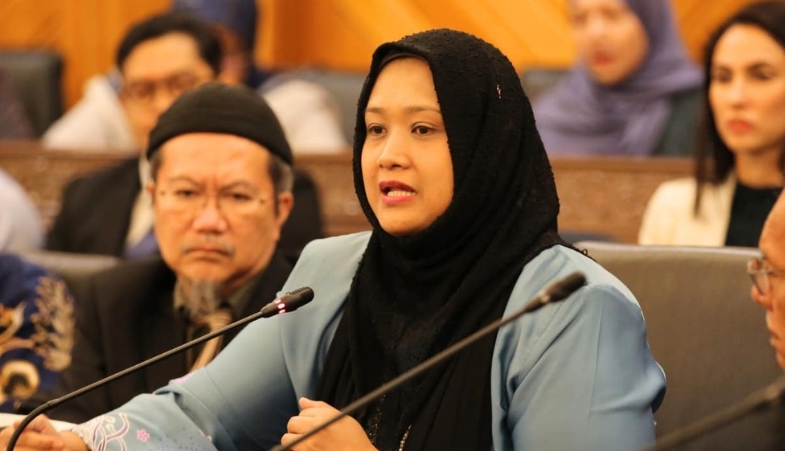
Regarding the necessity of a unified regulatory approach, Mediha Mahmood, Chief Executive Officer of the CMCF, stated: “User protection, community behaviour and healthy digital experiences are deeply interconnected. These issues cannot be addressed in silos, particularly as gaming and esports become increasingly mainstream.” According to her, the oarganisations are working to develop a “gaming sub-code” that spans responsible gaming, community conduct and industry-led content standards.
Malaysia’s approach mirrors a regional trend of formalised oversight, following the Philippines’ model of distinguishing between amateur and professional players. While the Philippines utilises the Games and Amusements Board (GAB) to supervise professionals and casters, Malaysia’s new guidelines will focus on creating a “structured ecosystem” that protects younger generations as they transition from school programmes into the professional circuit.
Victor Frascarelli is the Editor-in-Chief of The Esports Radar. A Brazilian native who began his esports journey in Poland's League of Legends scene in 2016, his career spans award-winning reporting at The Esports Observer, a tenure with Esports Insider, and two years as Head of PR for Brazilian powerhouse FURIA. When not immersed in the industry, he’s likely navigating the servers of Counter-Strike or making his next move as your online chess opponent.