



Brazilian media company Spun Mídia is seeing its esports strategy deliver results on the competitive stage. Its team LOS won the second split of the Brazilian League of Legends Championship (CBLOL) 2026 on 10 October, securing a place in the main stage of the League of Legends World Championship (Worlds 2026), and on 9 October qualified for the Rainbow Six Siege Major in Osaka, Japan.
The results arrive as Spun builds a multi-brand esports business around LOS and MIBR, the latter acquired in October 2025 with the launch of its dedicated gaming and esports operation, EZOR. Rather than merging the two organisations into a single identity, the company intends to preserve their distinct audiences and competitive strategies while sharing resources behind the scenes. The plan is backed by R$100 million (approx. $20 million) in investment earmarked for the next five years.
At the core of the approach is a fundamental inversion of the typical playbook. While traditional esports organisations like G2 and Team Vitality often build agency arms (62 and RushBee respectively) to diversify revenue and unlock the full potential of their teams, Spun works in reverse, being primarily a programmatic advertising enterprise that entered esports through iconic tags like MIBR and LOS to scale high-converting media reach.
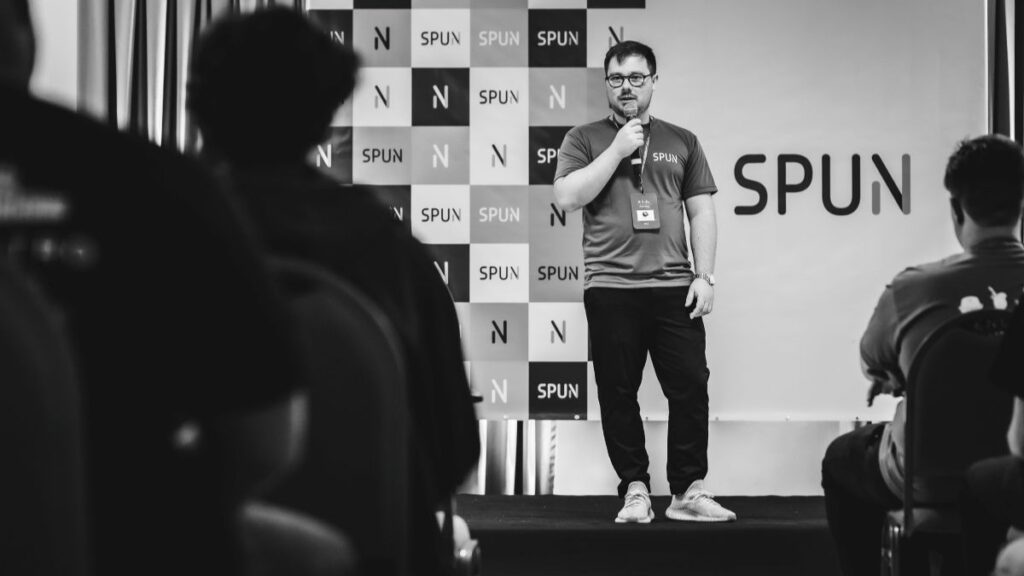
In an interview with The Esports Radar, Spun Mídia CEO João Pedro Manetti explained how the company’s background in digital media informs its approach to esports ownership, sponsorships and team management.
From digital advertising to esports ownership
Founded in 2021, Spun Mídia grew out of Manetti’s experience working on internet-based businesses from an early age. Its original operations included websites, online communities and social media channels, particularly meme pages, which the company used to build audiences and sell advertising.
“Our core business is selling advertising space,” Manetti told TER. “We are always thinking about how to acquire an audience so that we can sell those advertising spaces.”
That distinction helps explain Spun’s move into esports. Instead of relying exclusively on buying advertising inventory across the internet, the company saw an opportunity to invest in brands that already had established communities, content channels and relationships with fans.
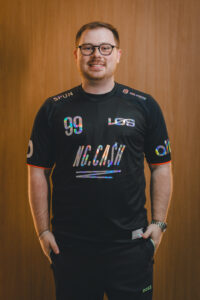
The entry began in 2024, when Spun became an operational partner of LOS. Manetti said the initial investment quickly developed into a more hands-on role, as the company saw opportunities to apply its expertise to the organisation’s commercial and operational activities. Spun entered during what he described as an industry downturn, the so-called “Esports Winter”, when organisations were under pressure to reassess and realign their business models, and he believed experience in audience acquisition, digital distribution and performance marketing could help address some of their challenges.
The move was also a departure from Spun’s traditional business. While its advertising operations are designed to measure immediate results and adjust campaigns accordingly, esports requires longer-term planning around competitive calendars, player transfers, sponsorship cycles and audience development. For Manetti, that difference justified creating a dedicated business structure rather than folding esports into Spun’s existing operations.
The acquisition of MIBR was a strategic extension of that approach. When the opportunity emerged in 2025, Spun saw an established brand with a different competitive portfolio and audience from LOS. The company had already begun separating LOS’s social media channels by game, recognising that fans of League of Legends, Counter-Strike 2 (CS2), VALORANT, Free Fire (the roots of LOS specifically) and Rainbow Six Siege do not necessarily consume esports in the same way. While some fans follow an organisation across several titles, communities often remain closely tied to individual games.
“We have a huge brand, a very interesting structure, and titles that we didn’t have within LOS,” Manetti said of the opportunity. He also sees the deal as part of a broader consolidation of the industry, in which organisations need more structured operations and shared capabilities to compete over the long term.
The transaction was completed with Immortals Gaming Club, the previous owner of the MIBR tag, with Spun acquiring 100% of the organisation for an undisclosed amount.
The two brands are expected to retain their own identities, leadership structures and competitive roadmaps. Manetti said this is deliberate, allowing each to develop its own strategy and enabling Spun to test different marketing approaches across their respective audiences. There are still opportunities to coordinate commercially: Manetti cited the Esports World Cup (EWC), where the company could combine the two brands’ participation in the EWC Club Championship and offer sponsors exposure across complementary teams.
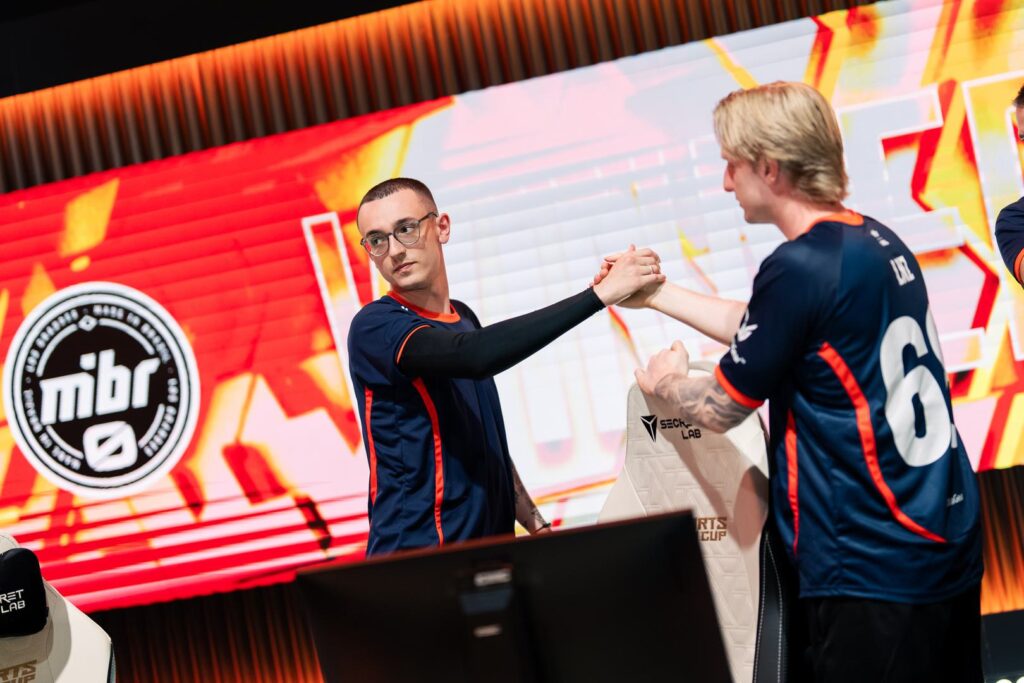
Spun operates a common marketing structure while retaining specialists for each brand, and is assessing where other investments can benefit both. Competitive spending, however, remains dependent on the needs and positioning of each team. That is particularly relevant for MIBR’s Counter-Strike division, which is seeking to strengthen its position after a difficult previous season. Manetti said the ambition is to build a team capable of competing at the highest level, but stressed that recruitment and investment must follow a sustainable plan rather than an impulsive attempt to assemble a star roster.
A different approach to esports sponsorships
Spun’s most distinctive proposition lies in how it approaches advertising. In an industry where almost every pitch promises “more than just logo visibility,” Spun grounds its model in verifiable performance, treating advertising as a conversion engine that connects client brands directly to measurable audience action.
Manetti said Spun has pursued this model since entering LOS, combining organic exposure with paid media and other campaign elements to extend the value of a partnership. In practice, that can mean using a team’s social media presence and community to support campaigns, then connecting that reach to paid distribution or other commercial activity. He also confirmed that the company works with performance-based or commission-based agreements, which can give partners a more direct relationship between marketing activity and business outcomes, although effectiveness will depend on the product, campaign and audience.
The company is also exploring products that monetise its communities directly. One example is Absol, a League of Legends coaching product originally launched by LOS founder and content creator Rodrigo “El Gato” Fernandes and subsequently brought into Spun’s operation. The tool is designed to help players improve while playing, allowing the company to combine an existing audience, creator-led content and a product it can develop commercially. For Manetti, such initiatives are part of a wider effort to diversify revenue.
Competitive results still matter
A performance-driven business model, though, does not remove the need for competitive success. Manetti sees results as a factor that strengthens both audience engagement and commercial opportunities: teams that perform consistently attract more attention, increase community participation and improve their ability to generate revenue from digital items and prize money, while giving brands more ways to connect with fans.
“Every time we make a decision about a team or a game, we look at whether it is a good business decision first,” Manetti said. “But we also watch the games. We want to see the team win.” LOS provides a timely example with its recent successes in League of Legends and Rainbow Six Siege along to a qualification for the Free Fire World Series (FFWS) in Bangkok. These add to MIBR’s qualifications in CS2 for the PGL Singapore Major and an appearance at the Rocket League World Championship, giving Spun international exposure across different communities.
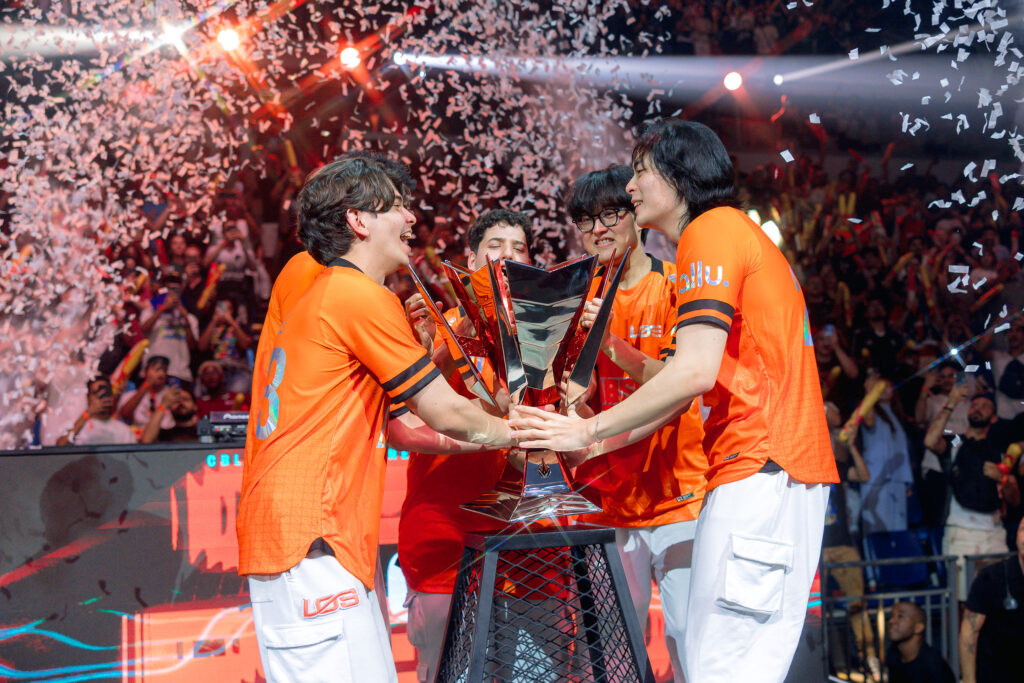
There is even another important qualification to add: LOS is not a permanently protected CBLOL partner. It also had to compete to keep in the 2027 league, securing its position by defeating KaBuM! Esports 3-1 on 12 October, after already winning the title and the Worlds spot. That exposure makes the team’s progress more than a question of prestige: keeping a place in the league is essential to preserving access to one of Brazil’s most prominent esports properties and the audience and commercial opportunities that come with it.
Manetti said the company is not seeking an immediate, outsized financial return from esports. Instead, it wants to build a stronger, more established operation that can generate value over time, with audience ownership, brand positioning and the ability to operate campaigns as the key parts of the long-term proposition.
Building a long-term esports business
Spun has operated remotely since its early days, with employees distributed across Brazil. Manetti, who lives in Pelotas in the southern state of Rio Grande do Sul, said the company prefers to work this way despite Spun having access to meeting spaces.
He acknowledged that Spun did not enter esports with extensive knowledge of the competitive industry. Rather than attempting to build every capability internally, it retained experienced people from the organisations it acquired and brought in specialists to manage competitive operations, while applying its own strengths in media and advertising to the shared resources of the group. To achieve this, the remote and home office model is essential to access talent regardless of where the organisation is based.
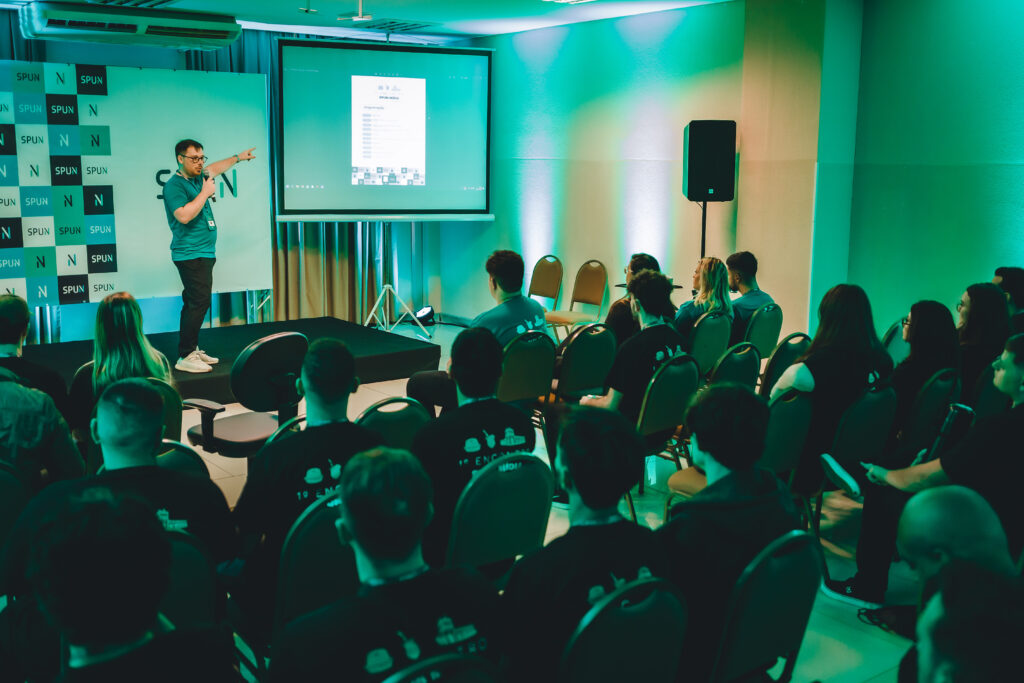
Manetti said the company wants to build a more established esports business with international reach, while preserving the Brazilian identity of its brands. Another part of the plan is using the esports brands’ audiences to create opportunities elsewhere in Spun’s business, including digital advertising and technology. Earlier in 2026, the company said it had become a Google partner for programmatic advertising exchange services, providing technology to other publishers, including gaming platform Gamers Club, the biggest Counter-Strike 2 community in Brazil. For Manetti, the relationship illustrates how esports can create connections, demonstrate capabilities and open doors for other parts of the company.
The strategy is not without risk. Audience growth does not automatically translate into predictable revenue, performance-based sponsorships require demonstrable results for advertisers, and roster costs and international travel can be substantial in some games. Still, LOS’s domestic title and international qualifications, alongside the continued investment in MIBR, offer a useful case study in how a media company is approaching esports ownership.
Spun’s next challenge will be to show that the model can deliver consistent value across different games, communities and competitive cycles without losing the results that make those audiences worth reaching in the first place.